
REVIEW · KAZIMIERZ & JEWISH HERITAGE TOURS
The Jewish Quarter – Walking Tour
Krakow has a second map in Kazimierz. On this 2-hour walk in the Jewish Quarter, I like starting with licensed, English-language guidance from ZeeTour and matching the story to real Schindler’s List filming spots. Because it moves into World War II and Holocaust history, be ready for heavy moments.
I also love how the route is built like a time trail. You’ll pass major synagogues, the mikveh, street history in Kazimierz, and memorial stops that put names to the events that changed lives in Poland.
In This Review
- Key things to know before you go
- Why Kazimierz matters: coexistence, then the break
- Meeting point and getting ready for the walk
- Kazimierz’s Main Square: where the story starts in plain sight
- Miodowa Street and the Kazimierz city walls: reading the boundaries
- Synagogue stops: Tempel, Kupa, Izaak’s, the 1400s building, and the Old Synagogue
- The mikveh and Szeroka Street: ritual life you can actually picture
- Helena Rubinstein, the Nissenbaum monument, and the Holocaust-stopping statue
- Remuh Synagogue and the cemetery: memory you can walk beside
- Schindler’s List filming locations: film clues that lead to real streets
- Price and value: is $33 worth it?
- Who this tour fits best
- Should you book the Jewish Quarter Walking Tour?
- FAQ
- How long is the Jewish Quarter walking tour?
- How much does it cost?
- Is the tour guided?
- What language is the tour in?
- Are admission tickets included?
- Is public transportation included?
- Where do I meet for the tour?
- Is the tour wheelchair accessible?
Key things to know before you go
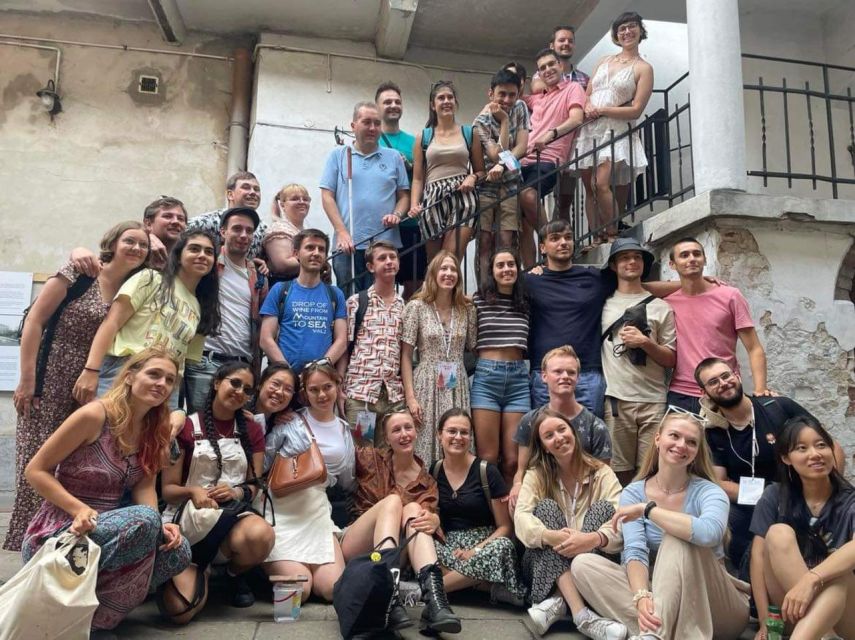
- Licensed English guides who can explain both cultural life and WW2 turning points clearly
- Schindler’s List filming locations used to connect film scenes to real streets
- A full Jewish Quarter sweep across synagogues, cemeteries, and ritual sites
- WW2 context with visible memorials, including a statue tied to efforts to stop the Holocaust
- Historic architectural stops, from major synagogues to an older 1400s building
- You get more than facts: the walk connects Jewish and Christian history in Krakow
Deeper into Kazimierz and its Jewish heritage
- Krakow: Schindler’s Factory & Ghetto Guided Tour
★ 4.7 · 1,694 reviews - Krakow: Jewish Quarter and Former Ghetto Tour
★ 4.9 · 1,441 reviews - Krakow: Bike Tour of Old Town, Jewish Quarter and the Ghetto
★ 4.9 · 1,155 reviews
Why Kazimierz matters: coexistence, then the break
Krakow’s Jewish Quarter is not just a place to photograph old buildings. It’s a map of how communities lived side by side, and how events later tore that fabric apart. In earlier centuries, Kazimierz wasn’t separated into one culture-only zone. The story you’ll hear is about shared streets and overlapping lives, even while both groups had their own traditions and institutions.
This tour leans into why Jewish history in Poland is so important in the larger Jewish story. You’ll hear that by the 16th century, around 75% of the world’s Jewish population lived in Poland. That kind of statistic isn’t trivia. It helps you understand how Poland became a major center—and why Krakow mattered within it.
You’ll also get a big-picture answer to a key question: how did Krakow and Poland look “multicultural” in the past, and what changed later? The guide’s job is to turn that shift into something you can actually see on the ground.
Meeting point and getting ready for the walk
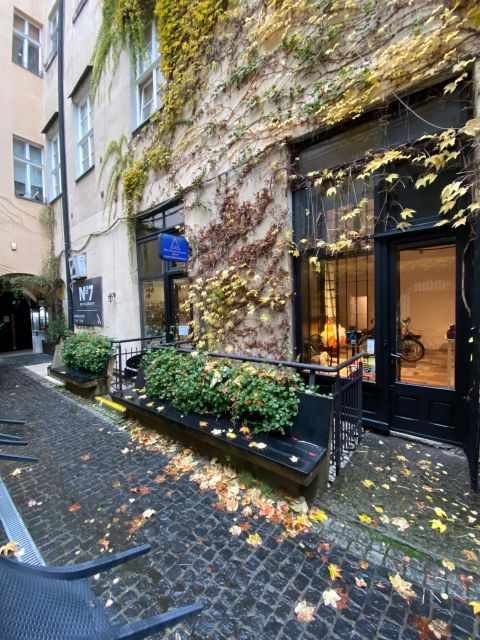
This tour starts at ZeeTour’s office in the courtyard near Restaurant No7. Go into the building and look for the office located in the courtyard; it’s the second shop on the left.
The total time is 2 hours, and it’s a walking route. Comfortable shoes matter. The area is historic and street surfaces can be uneven, so plan to move steadily for the whole circuit.
Price-wise, you’re paying $33 per person for a guided experience with licensed guides. Tickets for any sites are not included, so don’t assume every stop is automatically entered with no extra cost.
Kazimierz’s Main Square: where the story starts in plain sight
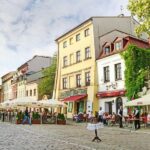
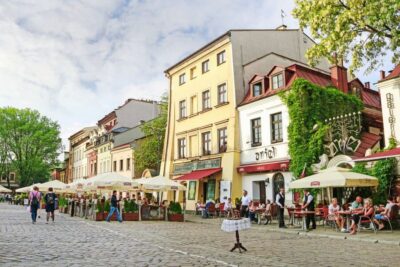
Your route kicks off at Kazimierz’s Main Square. This is a smart starting point because it puts you in a “city life” frame right away. Before synagogues and cemeteries, you need to understand what a neighborhood looked like as a place where people worked, met, traded, and prayed.
A good guide will help you read the square beyond scenery—what types of institutions show up in a Jewish district, what kinds of streets and nearby walls suggest about earlier defenses, and how “district” became “identity” over time. Think of this stop as your orientation in history, not just a photo break.
If you’re the type who likes context first and details second, you’ll feel it click here.
On foot through the Old Town, more guided walks
- Old Town Krakow & Wawel Castle Walking Tour★ 5.0 · 1,508 reviews
- Creepy Krakow: 2-Hour City Walking Tour★ 4.7 · 1,131 reviews
- Krakow: The Old Town Walking Tour★ 4.8 · 794 reviews
- Krakow: Kazimierz Jewish Quarter Walking Tour★ 4.8 · 571 reviews
Miodowa Street and the Kazimierz city walls: reading the boundaries
Next comes Miodowa Street, tied to the city walls around Kazimierz. Walls are easy to ignore when you’re walking fast, but in a historical tour, they do important work. They show you that this wasn’t simply a set of buildings—it was a defined area with edges, movement patterns, and protection concerns.
This is also where the coexistence theme becomes physical. Boundaries can shape how communities interact, where markets form, and how people move through a city. Your guide should connect those dots without turning the walk into a textbook.
Synagogue stops: Tempel, Kupa, Izaak’s, the 1400s building, and the Old Synagogue
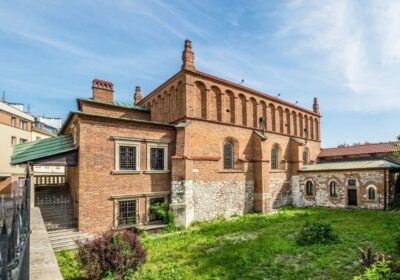
You’ll spend a good chunk of time with multiple synagogue sites, and that’s one of the biggest values of this tour. Rather than one stop and a quick photo, you’ll get a sequence that helps you understand how Jewish religious life was organized in different ways across time.
Key stops include:
- The Tempel Synagogue
- The Kupa Synagogue
- Izaak’s Synagogue
- The oldest building inside the Jewish Quarter from the 1400s
- Popper’s Synagogue
- The Old Synagogue
What makes this section worth your attention is the pacing. When you hit several synagogues back-to-back, the guide can compare the roles these places played, how communities used them, and how history left its marks. Even if you don’t know the terms yet, the structure of the tour helps you build understanding stop by stop.
Possible drawback: synagogues can feel quiet and solemn. If you’re hoping for a light-and-funny sightseeing stroll, this part may feel serious. That’s not a flaw; it’s the point. Just go in with the right mood.
The mikveh and Szeroka Street: ritual life you can actually picture
Two stops deepen the story beyond public buildings.
First is the mikveh, described here as a ritual Jewish cleansing/bath house for females from the 16th century. This is the kind of site that changes how you picture everyday life. It’s not only about cathedrals and monuments. It’s about practice—about how religious observance shaped routines.
Then you move to Szeroka Street, a corridor that helps you connect buildings to the human scale of a neighborhood. Streets like this are where people lived “in between” major landmarks. When your guide talks about the quarter’s past, the street context makes it easier to imagine walking the route in real time.
Helena Rubinstein, the Nissenbaum monument, and the Holocaust-stopping statue
You’ll also see stops connected to individual stories.
- Helena Rubinstein’s birth place gives the tour a person-centered moment. Instead of only focusing on institutions, you get a real name tied to the area.
- The Nissenbaum Family Foundation monument is another memorial presence, helping keep the human side of history from getting lost.
- There’s also a statue of a man who tried to stop the Holocaust. The tour frames this as a specific act of resistance or intervention, which matters because it interrupts the pattern of “only tragedy, only helplessness.”
These stops are where the tour becomes more than history class. They become a way to ask: what did people do in the face of danger, and how do we remember those actions now?
If you’re traveling with kids or anyone who gets overwhelmed easily, this is the moment to slow down mentally. The tour doesn’t shy away from reality, so it’s worth approaching these points with patience.
Remuh Synagogue and the cemetery: memory you can walk beside
The route then reaches The Remuh Synagogue and the Jewish Cemetery. Cemetery visits are always emotionally loaded, and this one is positioned in the tour with clear purpose. Earlier stops explained institutions and neighborhood life; this stop forces the story to deal with loss.
What I like about how the tour sets this up is that it doesn’t treat the cemetery as an isolated “sad stop.” It’s part of a continuous narrative about how communities lived, endured, and were affected by WW2.
If you want a meaningful takeaway from the walk, this is one of those places. You’ll likely leave with a better sense of why Jewish sites in Kazimierz are still active centers of memory, not just heritage buildings.
Schindler’s List filming locations: film clues that lead to real streets
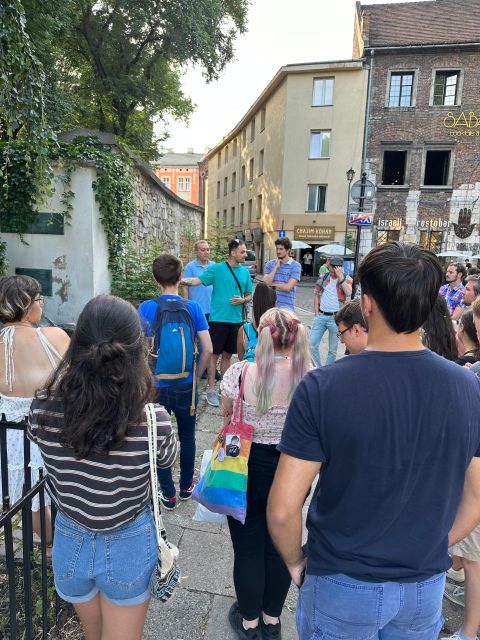
One of the headline features is numerous filming locations of Schindler’s List. This could go two ways on a tour: either film becomes the whole focus, or it becomes a doorway.
This tour uses the filming locations as a tool to connect what you’ve seen on screen to what still exists in the city today. That matters because Krakow’s streets don’t look like a movie set when you’re walking them. They look like lived-in space—tight corners, real building facades, and street geometry shaped by earlier centuries.
If you’re a film fan, this section gives you recognition. If you’re not, the real benefit is still there: you’ll understand how the city’s geography relates to the history you’ve been hearing.
Price and value: is $33 worth it?
At $33 per person for 2 hours, this is reasonably priced for a walking tour with licensed guides and an itinerary that hits multiple high-stakes, high-interest stops. The value isn’t just the number of buildings. It’s the guidance—someone turning a scattered set of sights into a connected explanation of Jewish and Krakow history, including WW2.
Two things can affect value for you:
- Admission tickets aren’t included, so if you want to enter certain sites, you may pay extra depending on what’s required on the day.
- The tour includes emotional content, so the “best value” scenario is when you want context, not just sightseeing.
If you’d rather look at a map and wander, you could do that. But if you want the places explained in a way that helps you actually understand what you’re seeing, this is the kind of paid walk that makes sense.
Who this tour fits best
This is a strong fit if you:
- Want a structured way to understand Jewish life in Krakow’s Kazimierz
- Care about WW2 history and how it reshaped the city
- Like walking tours where the guide ties history to specific street-level locations
- Prefer English explanations from licensed guides
It may be less ideal if you:
- Want only “light” sightseeing with minimal heavy context
- Don’t want to pay extra for possible admission where required
Should you book the Jewish Quarter Walking Tour?
If you want to understand Kazimierz as more than a scenic district—if you want the story of coexistence, the role of Jewish institutions, and what WW2 did to that world—this tour is a solid choice. The route is packed with meaningful stops, and the presence of a licensed guide makes it easier to connect details without getting lost.
Book it if you’re ready for a serious history walk and you want the city explained in context. Skip it only if you’re looking for an easy, purely casual stroll.
FAQ
How long is the Jewish Quarter walking tour?
It lasts 2 hours.
How much does it cost?
The price is $33 per person.
Is the tour guided?
Yes. It includes guiding services with licensed tour guides.
What language is the tour in?
The live guide offers the tour in English.
Are admission tickets included?
No. Admission tickets are not included.
Is public transportation included?
No. Public Transportation is not included.
Where do I meet for the tour?
Meet at ZeeTour’s office in the courtyard of the building by Restaurant No7, in the second shop on the left.
Is the tour wheelchair accessible?
Yes. The experience is wheelchair accessible.
More Tour Reviews in Krakow
More Guided Walks Through Town

More of Jewish Kazimierz

Just added: fresh Krakow reviews
Kazimierz & Jewish Heritage Tours, compared.
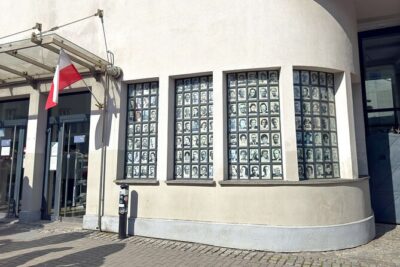 ★ 4.7Schindler’s Factory & Ghetto Guided TourFrom $571,694 reviews
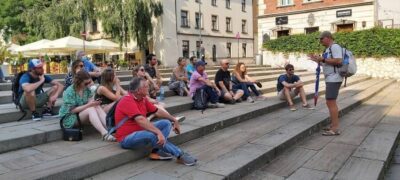 ★ 4.9Jewish Quarter and Former Ghetto TourFrom $191,441 reviews
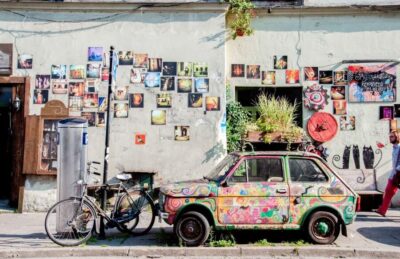 ★ 4.9Bike Tour of Old Town, Jewish Quarter and the GhettoFrom $371,155 reviews
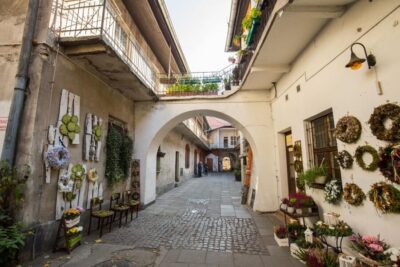 ★ 4.8Kazimierz Jewish Quarter Walking TourFrom $27571 reviews
 ★ 4.8Kazimierz, Schindler’s Factory & Ghetto Guided TourFrom $81460 reviews
 ★ 5.0Full Bike Tour – the Old Town, Jewish Qtr & the Ghetto NEW BIKESFrom $35437 reviews
 ★ 4.6Jewish Ghetto Walking TourFrom $11349 reviews
 ★ 4.6Jewish Quarter and Ghetto Electric Golf Cart TourFrom $34348 reviews
Browse the lists this tour appears in