

REVIEW · SCHINDLER'S FACTORY & WWII TOURS
Jewish Quarter Kazimierz and Schindler’s Factory Guided Tour
Auschwitz-sized history in 3.5 hours. This guided walk through Kazimierz plus the Schindler’s Factory Museum keeps the story human, not abstract. I love how the tour connects centuries of Jewish community life to what happened during the Nazi occupation, step by step along real streets. I also like the practical setup: you get a structured Kazimierz walk plus fast-track entry at the museum, so your day doesn’t disappear in lines. The main drawback is time: the factory museum visit is capped, so you may feel a bit rushed if you want to read everything slowly.
One big reason this tour works is the guide. People have praised guides such as Dominika, Helena, Barbara, Ziggy, Margaret, and Magda for clear English and for making tough details stick with stories and repetition. If you like history told with specific places—Szeroka Street, Remuh, the cemeteries—this format is exactly your speed. Just know you’ll be walking and standing for long stretches, and the museum layout uses narrow passageways and a scene-setting design.
In This Review
- Why This Tour Feels Different from a Standard City Walk
- Key Points You’ll Want to Know Before You Go
- Kazimierz on Szeroka Street: Old Synagogue to Remuh’s Cemetery
- How WWII Shows Up on the Same Streets: The Ghetto Storyline
- Schindler’s Enamel Factory Museum: What You Actually Get
- Old Stones and New Questions: The Tour’s Pacing and Group Size
- Value at $71.20: Guided Meaning Plus Fast-Track Entry
- Practical Tips: Footwear, Timing, and What to Do After
- Should You Book the Kazimierz and Schindler’s Factory Tour?
- FAQ
- How long is the Jewish Quarter Kazimierz and Schindler’s Factory guided tour?
- Where does the tour start and end?
- Is the tour offered in English?
- What’s included in the price?
- Is the Kazimierz part ticketed?
- Is food included?
- How big is the group?
- What should I expect inside Schindler’s Factory Museum?
- Do I need to provide full names when booking?
- Does the tour run in bad weather?
Why This Tour Feels Different from a Standard City Walk
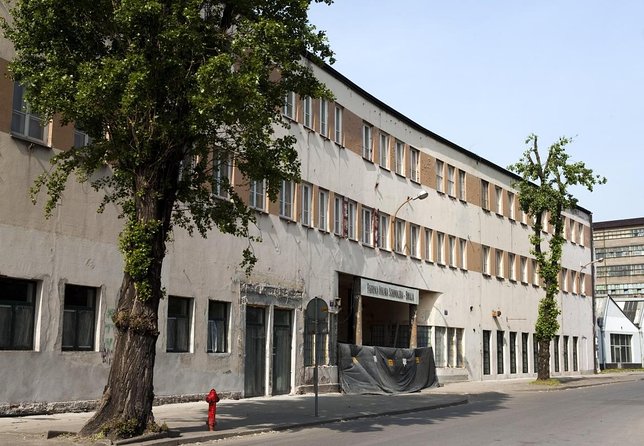
This isn’t just “see the sights” sightseeing. The Kazimierz portion gives you the map of Jewish Krakow before WWII—synagogues, cemeteries, and the neighborhood where Jewish and Christian life developed side by side. Then the story pivots toward the WWII ghetto reality in the same place, so the geography does some of the emotional heavy lifting. It ends in central Krakow, which makes it easy to keep exploring after.
Deeper into Kazimierz and its Jewish heritage
- Krakow: Schindler’s Factory & Ghetto Guided Tour
★ 4.7 · 1,694 reviews - Krakow: Jewish Quarter and Former Ghetto Tour
★ 4.9 · 1,441 reviews - Krakow: Bike Tour of Old Town, Jewish Quarter and the Ghetto
★ 4.9 · 1,155 reviews
Key Points You’ll Want to Know Before You Go
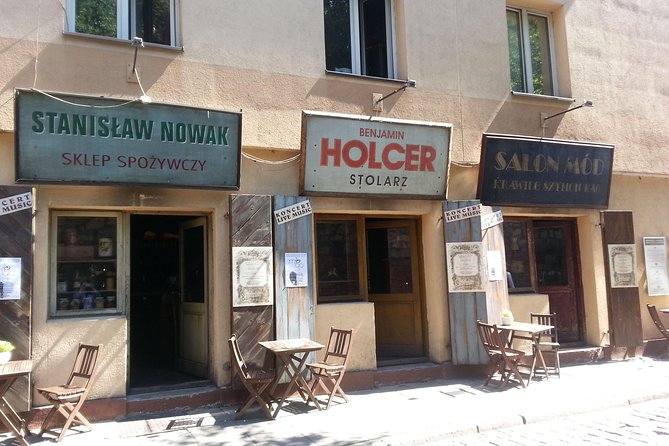
- Szeroka Street first: you start on the historic heart of Kazimierz, with synagogues and old townhouses in view.
- Remuh and Moses Isseries: the tour touches Jewish learning through the 16th-century rabbi Moses Isseries, known as Remuh.
- Schindler’s story is tied to locations: the same area that appears in Schindler’s List is part of what you’ll walk past.
- Fast-track entry included: you don’t have to gamble on long lines at Schindler’s Factory Museum.
- Museum pacing is timed: the guided museum portion is short enough that you may want extra time afterward.
- Group size stays limited: maximum group size is 25, which helps, though it can still feel busy inside the museum.
Kazimierz on Szeroka Street: Old Synagogue to Remuh’s Cemetery
Kazimierz is the kind of neighborhood where you feel the layers—church and synagogue in the same walking world, old stones holding new life. The tour begins on Szeroka 24 and starts you right where the action used to be: Szeroka Street, framed by townhouses and synagogues built and rebuilt across the 16th to 18th centuries.
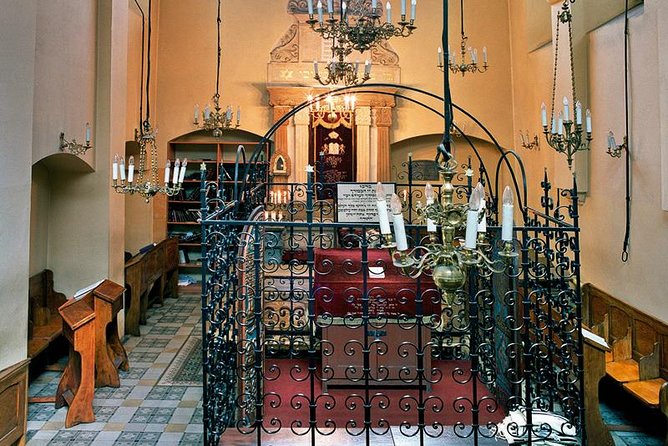
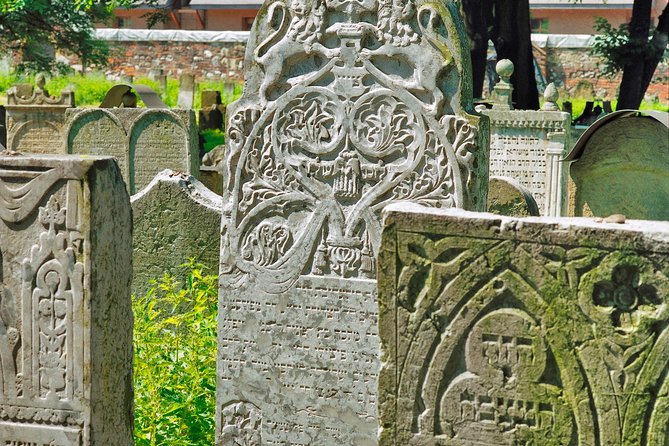
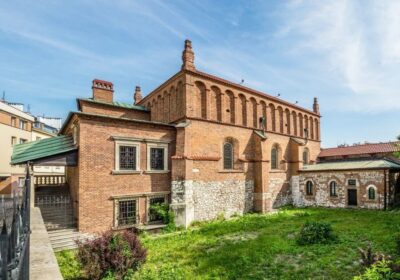
You’ll pass by the Old Synagogue (today a museum of Jewish history), then continue toward Remuh’s synagogue and cemetery—one of the most important Jewish religious sites in Poland. The guide brings in the story of Moses Isseries, called Remuh, who taught here in the 16th century. This is one of the best parts of the tour because it turns a building into a living idea: education, faith, and community leadership.
You’ll also see other synagogues along the walk, including the Kupa Synagogue and the Tempel Synagogue (the latter is now an active center of cultural life). The practical win here is that the guide points out what you might otherwise miss: which places matter for worship, which reflect community change, and how the neighborhood’s institutions connect to everyday life.
How WWII Shows Up on the Same Streets: The Ghetto Storyline
Kazimierz wasn’t frozen in time, and the tour doesn’t treat it like a museum district. As you move through the neighborhood, the guide explains what the Nazi occupation did to Krakow’s Jewish residents—how people were herded into the ghetto. Hearing that storyline while you’re standing in Kazimierz helps you understand how “place” becomes “history,” fast.
You’ll also get the Schindler’s List film connection. Spielberg chose locations here to depict the Jewish ghetto of Podgorze, and your guide will point out why certain streets and views made it to the screen. A fun-but-useful note from guides’ explanations: film-making choices weren’t always literal. That matters because it teaches you to watch the movie and the real streets with the right expectations.
This part can hit hard. The tour is careful, but you’re walking through a neighborhood that survived, while also learning about the violent break that followed. If you’re the type who likes historical context before emotional details, this is the right order: you build the community first, then the rupture.
More of Krakow under the wartime occupation
- Krakow: Schindler’s Factory Ticket and Guided Tour Option★ 4.3 · 4,306 reviews
- Krakow: Schindler’s Factory Tour with Entrance Ticket★ 4.5 · 3,182 reviews
- Krakow: Schindler’s Factory Skip-the-Line Ticket★ 4.4 · 3,105 reviews
- Krakow: Schindler’s Factory Tour with Entrance Ticket★ 4.6 · 1,737 reviews
Schindler’s Enamel Factory Museum: What You Actually Get
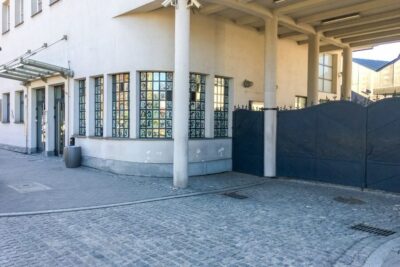
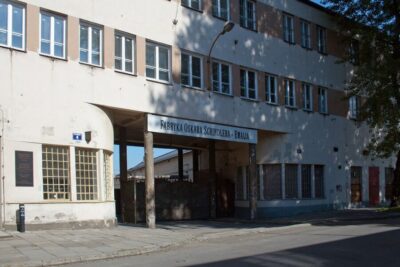
Then you switch gears to Fabryka Emalia Oskara Schindlera (Schindler’s Enamel Factory), now home to the Schindler’s Factory Museum. The goal isn’t to tour a working factory floor. The building used to be an enamelware factory, but it now operates as a museum, and you won’t find original production equipment inside.
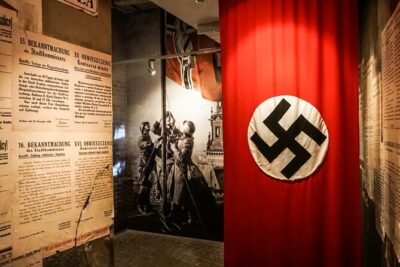
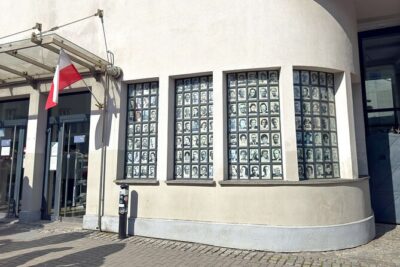
What you do see is the exhibition focused on Krakow under Nazi occupation from 1939 to 1945, through the lens of Oskar Schindler. The tour emphasizes Schindler’s role in employing Jewish workers and using his influence to protect them from deportation. The guide also highlights the survival of more than a thousand men and women who became known as Schindlerjuden.
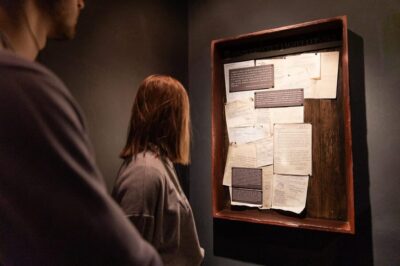
One thing to keep your expectations straight: the museum visit is guided and timed. Some visitors were surprised that the guided museum portion can feel more focused on the broader WWII story of Krakow and the Jews, rather than on factory mechanics or Schindler’s day-to-day operations. Also, there are comments that you may not visit the factory space next door in the way some people imagine—one administrative/office style exhibition is what you should plan for.
The layout itself is designed to feel like wartime Krakow, with narrow passageways and an atmosphere that pulls you through the story. That can be powerful. It can also be physically awkward if you’re sensitive to tight spaces or crowds, so plan on taking it slow when you need to.
Old Stones and New Questions: The Tour’s Pacing and Group Size
This is a 3 hours 30 minutes tour, split into two main segments of about 1 hour 30 minutes each. That’s a reasonable length for Kazimierz walking, where the streets and landmarks reward attention. It’s a more challenging length inside a museum where you might want to read every document, linger over testimonies, and stare at the details until they land.
Group size is capped at 25. Still, the mood changes between the neighborhood and the museum. Outdoors, six people can feel intimate. Indoors, even 15 to 25 can make it feel busy, especially in narrow corridors. If you’re the sort who likes space to think, consider positioning yourself toward the edges of the group so you can step aside when the material hits.
The biggest pacing tip is this: don’t plan your next stop too tightly. If you have the energy, arrive with time afterward to either re-read what mattered most or wander around the surrounding area at a slower pace.
Value at $71.20: Guided Meaning Plus Fast-Track Entry
At $71.20 per person, the tour isn’t cheap, but it’s not trying to be. You’re paying for two things that usually cost time and energy on your own: a guided walking interpretation of Kazimierz and fast-track admission to Schindler’s Factory Museum.
On a self-guided day, you can certainly find the sights. But you’ll spend your time translating the timeline yourself. Here, the guide does that work for you—connecting the 16th-century Remuh teaching, the architecture and synagogues of Kazimierz, the WWII ghetto storyline, and Schindler’s actions into one coherent walk-to-museum sequence.
Is it perfect value? If you love museums and want to read deeply without any time pressure, you might wish the museum portion were longer. Some people also felt the Schindler portion didn’t focus solely on Schindler or his factory in the way they expected. Still, the emotional payoff is strong, and the fast-track element helps you avoid the biggest time-sink of this area.
For the right traveler, this feels like a smart use of a limited Krakow day: you get the meaning, plus you protect your schedule.
Practical Tips: Footwear, Timing, and What to Do After
Wear solid shoes. Kazimierz involves a walking route, and the museum’s narrow passageways can be slow-going. The tour runs in all weather conditions, so bring something for rain or heat. Also, the tour asks you to arrive at least 10 minutes early; once the group enters, late arrivals can’t be accommodated and tickets aren’t refundable.
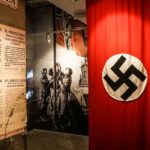
If you’re booking this, make sure you provide full names for every participant, because personalized tickets are issued. One more small but useful note: the museum environment can feel uncomfortable for some people, especially when the exhibition uses Nazi imagery and regalia as historical context. If you’re sensitive to that kind of material, it can help to pace yourself—take brief pauses when you need them.
After the tour ends at Lipowa 4, you’re in central Krakow, which makes it easy to keep the day going. If you still have energy, I’d use the extra time to revisit the parts you couldn’t absorb fully during the timed museum visit. If not, even a slow meal nearby works—because this tour leaves you with thoughts, not checklists.
Should You Book the Kazimierz and Schindler’s Factory Tour?
I’d book it if you want the fastest path to understanding Krakow’s Jewish story across centuries, plus WWII context, in one organized package. It’s especially worth it if you like your history tied to real streets and buildings, not just walls of text. The guides—seen in plenty of praise for people like Dominika, Helena, Barbara, Ziggy, Margaret, Filípe, and Magda—are a big reason this tour lands well.
I’d think twice if your main goal is a long, unhurried museum read of Schindler’s Factory on your own terms. This tour gives you a guided overview and a short museum window. If you want to spend half a day (or more) inside the exhibition areas, you may prefer to pair this with extra self-guided time afterward—or choose a different format that offers more museum freedom.
FAQ
How long is the Jewish Quarter Kazimierz and Schindler’s Factory guided tour?
It lasts about 3 hours 30 minutes.
Where does the tour start and end?
It starts at Szeroka 24, Kraków, and ends at Lipowa 4, Kraków.
Is the tour offered in English?
Yes, it’s offered in English, and tours operate in a single language.
What’s included in the price?
You get a walking tour through Kazimierz with a professional licensed guide, plus fast-track admission to Schindler’s Factory Museum.
Is the Kazimierz part ticketed?
For the Kazimierz stop, the admission ticket is listed as free.
Is food included?
No. Food and drinks are not included unless specified.
How big is the group?
Group size is limited to a maximum of 25 participants.
What should I expect inside Schindler’s Factory Museum?
The exhibition uses narrow passageways and an immersive, atmosphere-driven layout. The building is now a museum and no longer contains original production equipment.
Do I need to provide full names when booking?
Yes. The museum issues personalized tickets, and providing full names for all participants is mandatory.
Does the tour run in bad weather?
Yes. The tour takes place as planned in all weather conditions, so wear suitable footwear and dress for comfort.
More Tour Reviews in Krakow
Krakow in Wartime: More Reviews
More of Jewish Kazimierz

Just added: fresh Krakow reviews
Schindler's Factory & WWII Tours, compared.
 ★ 4.3Schindler’s Factory Ticket and Guided Tour OptionFrom $254,306 reviews
 ★ 4.5Schindler’s Factory Tour with Entrance TicketFrom $493,182 reviews
 ★ 4.4Schindler’s Factory Skip-the-Line TicketFrom $253,105 reviews
★ 4.6Schindler’s Factory Tour with Entrance TicketFrom $401,737 reviews
 ★ 4.5Schindler’s Factory in Krakow: Guided Tour & Skip the Line TicketFrom $351,714 reviews
 ★ 4.7Schindler’s Factory & Ghetto Guided TourFrom $571,694 reviews
 ★ 4.3Schindler’s Factory Ticket with Guided Tour OptionFrom $421,485 reviews
 ★ 4.0Krakow Schindler’s Factory Guided Tour with Admission TicketFrom $351,156 reviews
Browse the lists this tour appears in