
REVIEW · SCHINDLER'S FACTORY & WWII TOURS
Kazimierz, Schindler’s Factory & Ghetto Guided Tour
Kraków’s Jewish sites hit different. This 5-hour guided walk moves from Kazimierz’ historic synagogues to the Podgórze Ghetto area, with Schindler’s Factory added in for a clear, human-scale World War II story. I love how the route is laid out like a timeline you can actually follow on foot, and I also like that the guide ties Jewish life and traditions to what changed under Nazi occupation.
The big consideration is crowding and pace. The museum parts can feel tight, and your group is limited to 25 people—still, if the group is near the limit, you may feel a bit squeezed in narrow corridors.
In This Review
- Key highlights to look for
- Kazimierz on Foot: starting at the Old Synagogue and Szeroka Street
- Old Synagogues, Remuh Cemetery, and the Tempel’s living culture
- Plac Nowy: how the walk lands on everyday Kraków
- Schindler’s Factory: fast-track entry and the story behind the name
- Podgórze and the ghetto boundaries: wall remnants and the empty-chair memorial
- Price and value: why $81 for 5 hours can make sense
- Pace, comfort, and what to bring for a 5-hour day
- Language choice and what “one group, one language” means
- Who should book this tour?
- Should you book this Kazimierz and Schindler’s Factory tour?
- FAQ
- Where is the meeting point for the tour?
- How long is the tour?
- What sites does the tour include?
- Is admission to Schindler’s Factory included?
- What languages are available?
- Is food included in the price?
- How early should I arrive?
- What group size should I expect?
- Do I need to provide participant names?
- Do tour times ever change?
Key highlights to look for
- Szeroka Street start at the Old Synagogue for immediate context in the heart of Kazimierz
- Remuh Synagogue and Cemetery as one of Poland’s most important Jewish religious sites
- Schindler’s Factory fast-track entry plus the exhibition Kraków under Nazi Occupation 1939–1945
- Ghetto wall remnants and Ghetto Heroes Square with the memorial of empty metal chairs
- Licensed live guide in your chosen language (French, English, German, Spanish, Italian)
Deeper into Kazimierz and its Jewish heritage
- Krakow: Schindler’s Factory & Ghetto Guided Tour
★ 4.7 · 1,694 reviews - Krakow: Jewish Quarter and Former Ghetto Tour
★ 4.9 · 1,441 reviews - Krakow: Bike Tour of Old Town, Jewish Quarter and the Ghetto
★ 4.9 · 1,155 reviews
Kazimierz on Foot: starting at the Old Synagogue and Szeroka Street
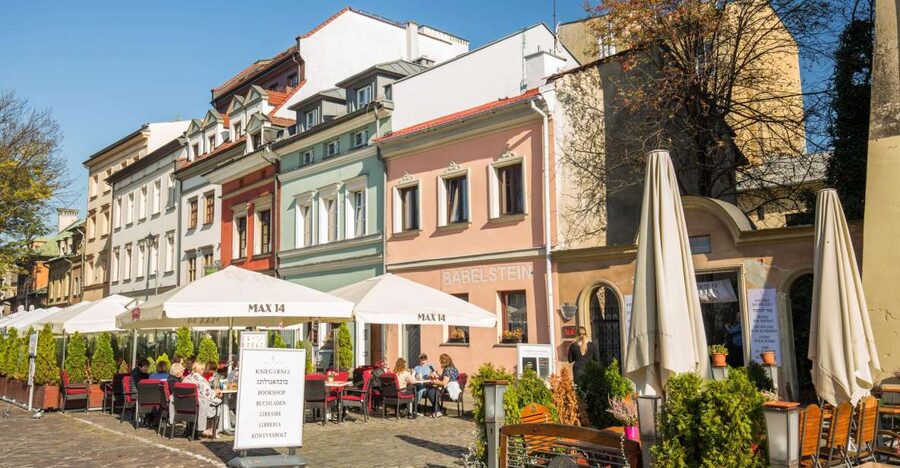
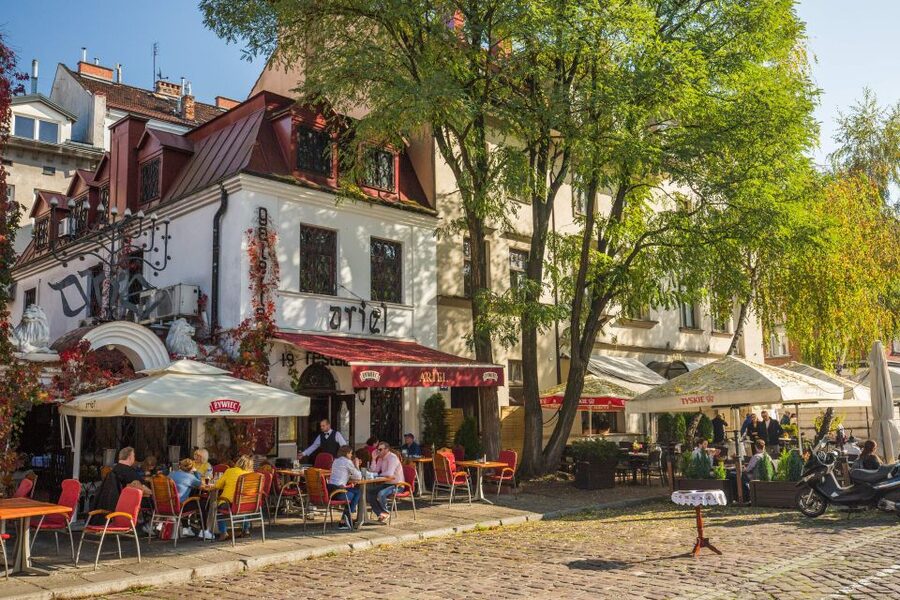
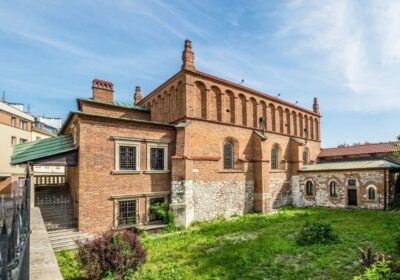
Your tour begins at the steps of the Old Synagogue, where your guide holds a Kazimierz Guided Tour sign. From there, you walk into Kazimierz, Kraków’s historic Jewish Quarter—one of those places where streets feel like they’ve kept receipts. You’re not just passing buildings; you’re watching daily life unfold through architecture, institutions, and the locations families used for worship and community.
A practical reason this start works: the Old Synagogue helps set the tone early. It’s the oldest preserved synagogue in Poland and today functions as a museum of Jewish history. Even if you’ve read a little before you come, seeing it first gives you a framework for everything that follows: how a community organized itself, what mattered, and how that changed over time.
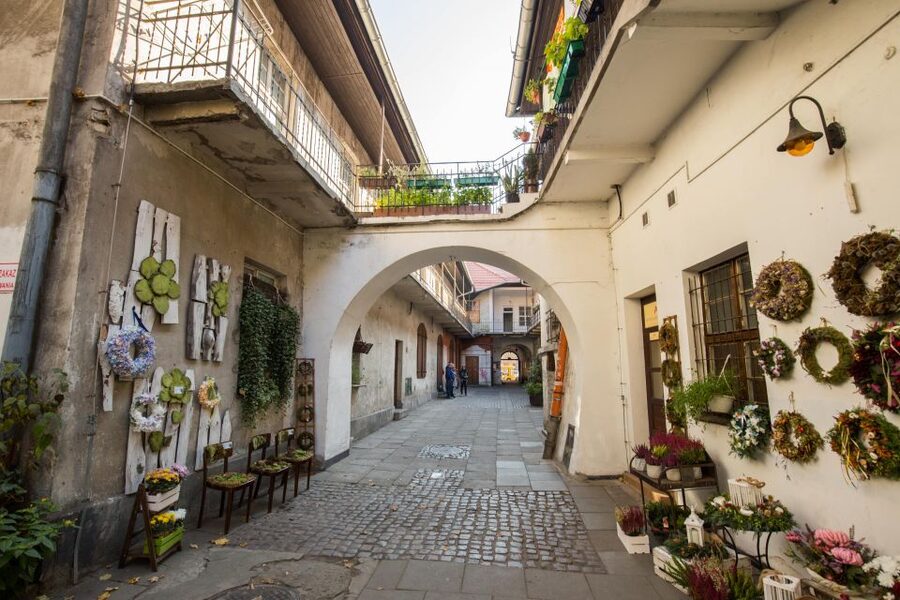
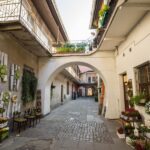
You’ll also notice the neighborhood’s old-town scale. The route runs through lanes lined with synagogues and townhouses dating back to the 16th–18th centuries. That matters because Kazimierz doesn’t feel like a theme park. It’s a real urban neighborhood, so the guide can point out how history and geography connect—turn by turn, not just in a lecture.
Old Synagogues, Remuh Cemetery, and the Tempel’s living culture
Kazimierz is about continuity and change at the same time, and the stops reflect that. As you move through the quarter, you pass several key synagogues with different roles in Jewish life.
One highlight is the Remuh Synagogue and Cemetery. This is described as one of the most important Jewish religious sites in the country, and the reason it lands emotionally is simple: cemeteries and memorial spaces make history personal fast. You’re reminded that Jewish life wasn’t only about public institutions—it also lived in routines, family memory, and community obligations that stretch beyond one generation.
You’ll also pass the Kupa Synagogue. It’s tied to the poorest residents, which adds an important social layer. A lot of Holocaust-era narratives focus only on what happened later, but this stop helps you understand that community life included inequality and that people still had places where they gathered, prayed, and belonged—even when resources were scarce.
Then there’s the Tempel Synagogue, now an active center of cultural life. This is one of the best ways the tour avoids turning Kazimierz into a frozen museum. You see how Jewish culture didn’t stop—it keeps moving through music, community events, and modern cultural programming. That can be grounding after the heavier moments later on.
The tour doesn’t try to make every stop dramatic. Sometimes it’s quieter: names of places, what they were for, who used them. I like this approach because it helps you absorb without getting overwhelmed.
Plac Nowy: how the walk lands on everyday Kraków
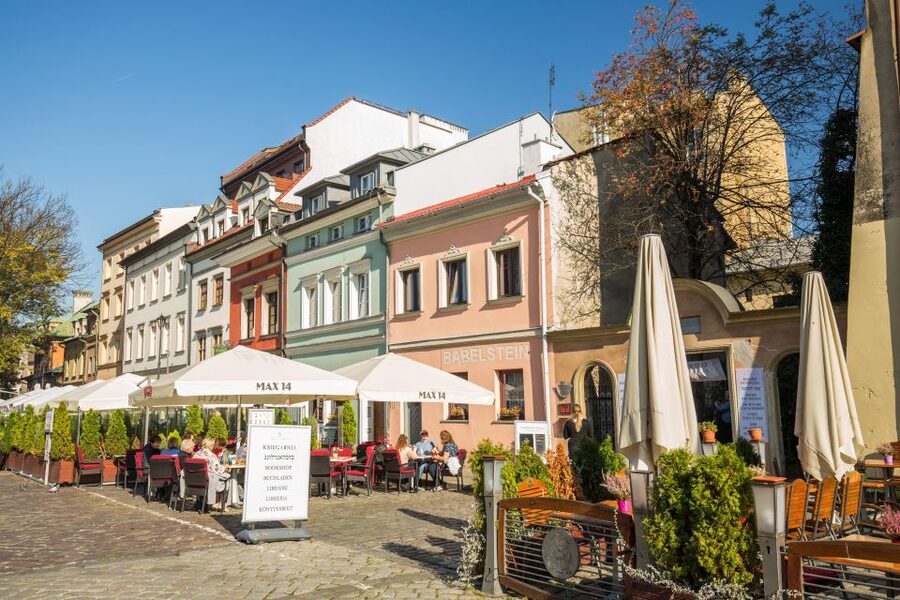
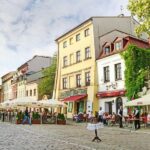
After the synagogue circuit, the route concludes at Plac Nowy, a lively square with cafés and markets. This isn’t just a convenient end point. It’s a smart way to reset your brain after learning about survival, boundaries, and loss.
When you finish at Plac Nowy, you get to see that Kazimierz today still functions as a neighborhood, not only a memorial. You can grab a drink or snack on your own (food isn’t included on this tour), browse local stalls, and get a feel for how people actually move through the area.
If you’ve only got a short time in Kraków, this ending also helps you keep options open. You’re already in a central spot where it’s easy to continue exploring with less pressure than if you ended in an isolated museum zone.
More of Krakow under the wartime occupation
- Krakow: Schindler’s Factory Ticket and Guided Tour Option★ 4.3 · 4,306 reviews
- Krakow: Schindler’s Factory Tour with Entrance Ticket★ 4.5 · 3,182 reviews
- Krakow: Schindler’s Factory Skip-the-Line Ticket★ 4.4 · 3,105 reviews
- Krakow: Schindler’s Factory Tour with Entrance Ticket★ 4.6 · 1,737 reviews
Schindler’s Factory: fast-track entry and the story behind the name
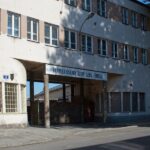
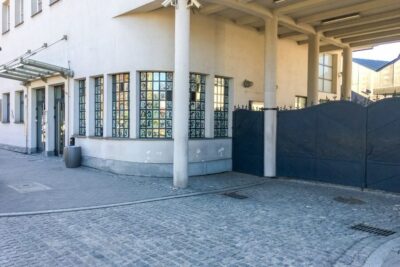
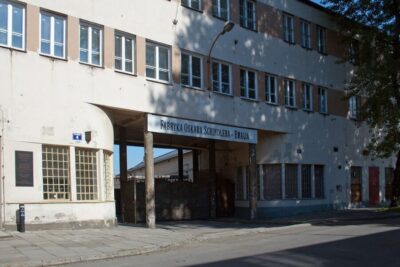
Schindler’s Enamel Factory is the heart of the World War II part of the day. The tour includes fast-track admission, which is a big quality-of-life upgrade. Less waiting means you spend more time learning and less time standing around feeling impatient.
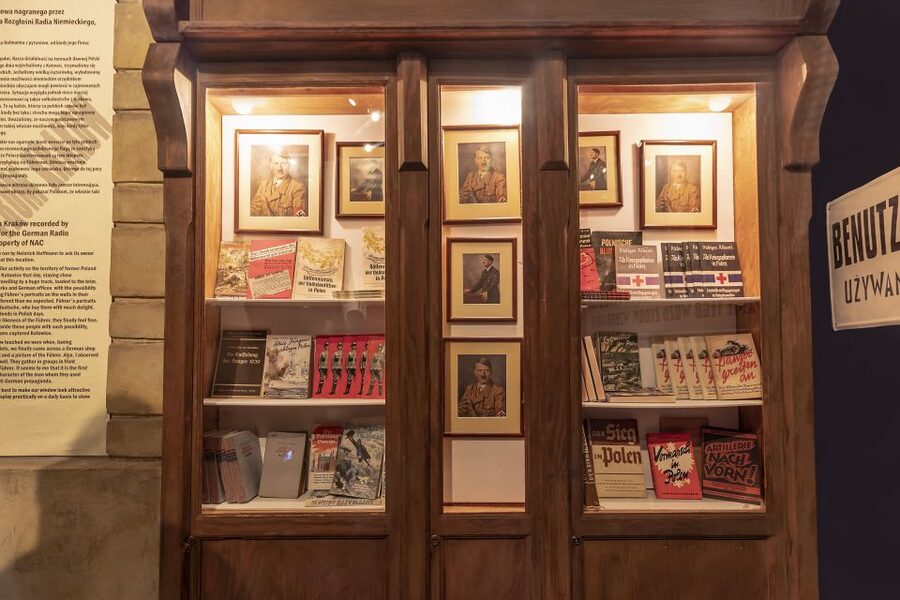
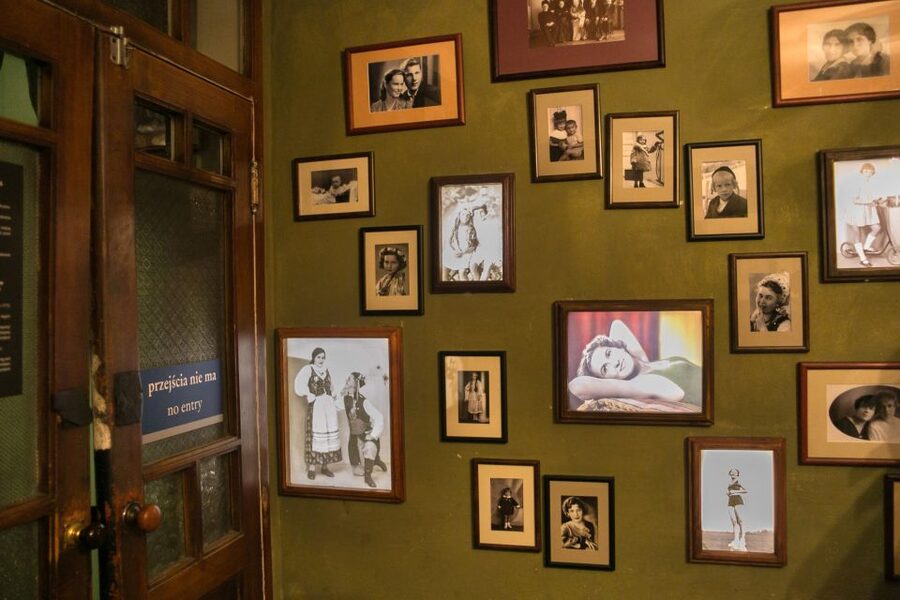
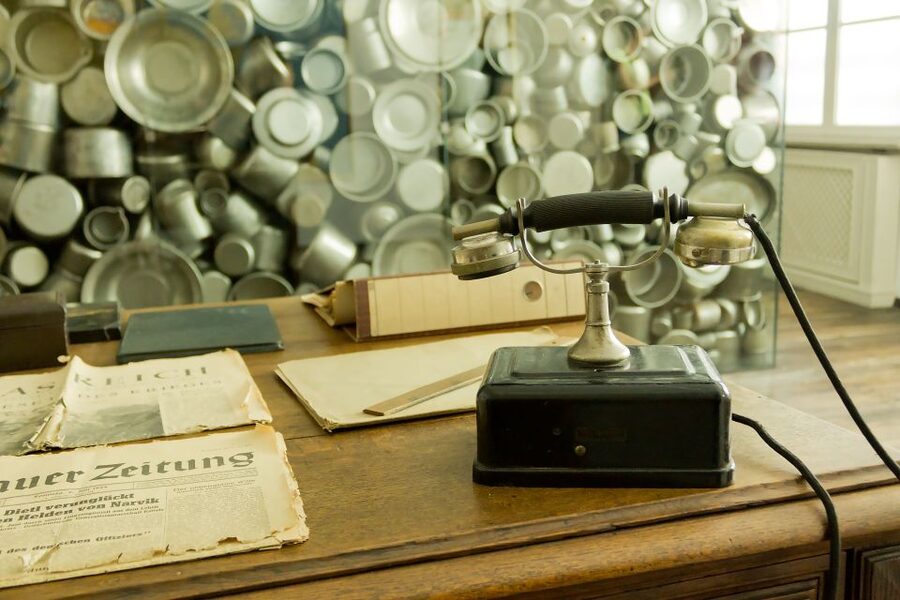
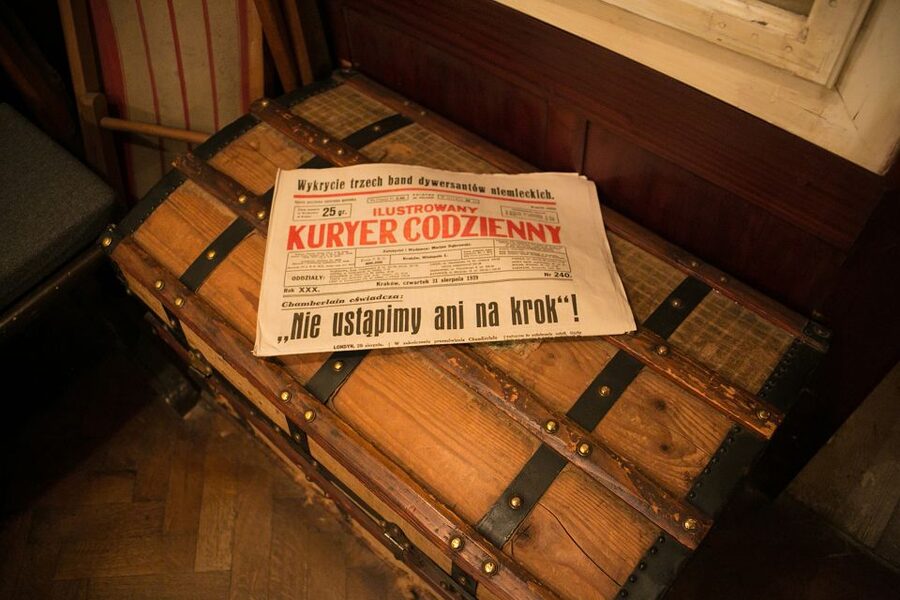
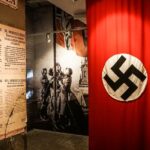
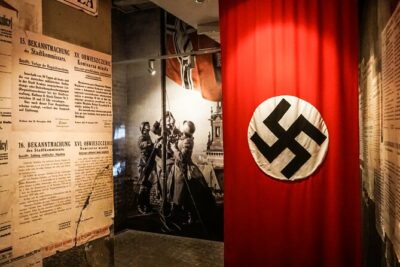
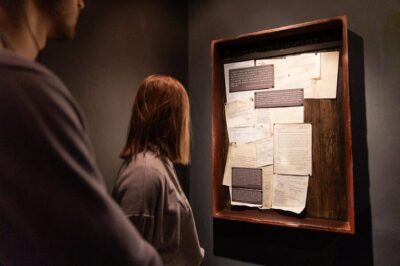
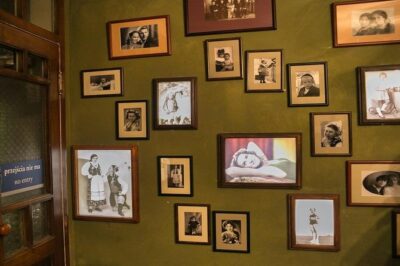
Inside, you’ll move through the exhibition Kraków under Nazi Occupation 1939–1945, guided by your expert. You’ll see photographs, personal objects, and reconstructed streets that show fear, uncertainty, and daily struggles. What I like about this exhibit approach is that it doesn’t only list facts—it shows what it felt like to live in a city where oppression became routine.
You’ll also focus on Oskar Schindler’s story: how he used his position, influence, and resources to protect Jewish workers from deportation. The tour frames the people he saved with the term Schindlerjuden, and the guide brings forward testimonies that continue to resonate across generations.
A key note: while the building once functioned as a factory, it now operates as a museum and no longer contains original production equipment. That’s good to know ahead of time. The experience is interpretive and documentary, not a preserved workshop you can tour like a factory-age set piece.
One more thing to keep in mind: this part of the tour can be emotionally intense. The best way to handle that is to go in with a slower mindset. Let the guide do the connecting. You’ll get more out of it if you’re not trying to “speed-read” your way through the galleries.
Podgórze and the ghetto boundaries: wall remnants and the empty-chair memorial
After Schindler’s Factory, the tour shifts toward the former Jewish Ghetto in Podgórze. This is where the story moves from individuals in documents to the physical structure of confinement.
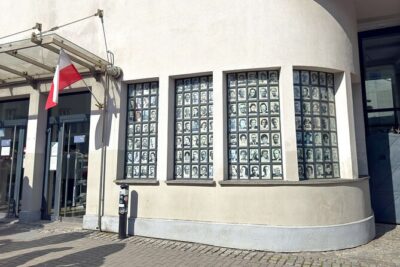
You’ll walk past remnants of the Ghetto Walls—surviving fragments that make the idea of separation concrete. On a map, borders look neat. On the ground, they feel heavy. The tour uses these remnants to help you understand what those boundaries meant day to day: where movement was controlled, where people were forced to live, and how the city’s layout became part of the punishment.
Then you reach Ghetto Heroes Square, which served as a key center connected with deportations. Today, the square functions as a remembrance space. The memorial features empty metal chairs symbolizing the lives lost, and it’s the kind of visual detail that sticks with you even after you leave the area.
This is also a strong moment for your guide to connect history to meaning. The tour helps you see the square not as a photo-op, but as a public space built for remembering—and for understanding the scale of what happened.
Price and value: why $81 for 5 hours can make sense
At $81 per person for about 5 hours, this tour isn’t the cheapest option in Kraków—but it doesn’t feel random either. You’re paying for three things that usually cost more if booked separately:
- A licensed live guide who can connect Jewish heritage in Kazimierz to the occupation-era story at Schindler’s Factory.
- Fast-track admission to Schindler’s Factory, which saves time and reduces logistical stress.
- A walking route that covers multiple “must-see” zones: Kazimierz, Podgórze, the ghetto wall remnants, and Ghetto Heroes Square.
Food and drinks aren’t included, so you’ll want a separate plan for a snack or a drink before or after. That’s typical for walking tours, and it also gives you flexibility based on what you’re hungry for that day.
The one value risk is the group size effect. Since your group is capped at 25, you’re still guaranteed a guide, but narrow museum corridors can make seeing and hearing harder when the group is full. If you’re the type who needs lots of personal space, plan for that reality.
Pace, comfort, and what to bring for a 5-hour day
This is a walking tour with museum time, so comfort matters. Wear shoes you can walk in for hours. Also remember that weather can influence comfort—Kraków can be changeable, and parts of Kazimierz and Podgórze are outdoors.
Bring a small water bottle if you can (not included). You won’t have a built-in meal stop, so it helps to think of the day as: walk, learn, stand in a memorial space, then regroup in Plac Nowy.
If you want the day to feel smoother, don’t overplan right before or right after the tour. Use the schedule to your advantage: this tour is designed to give you a connected story, and you’ll absorb more when you’re not rushing to the next appointment mid-thought.
Language choice and what “one group, one language” means
The tour offers live guidance in French, English, German, Spanish, or Italian. Importantly, tours are conducted in a single language per group, based on what you select at booking.
This matters because good translation is more than word-for-word accuracy. With sites like synagogues, cemetery references, and occupation-era documents, you’ll want a guide who can explain context clearly in your language. If you’re comfortable choosing, pick the language that lets you follow details without effort.
Also, the museum issues personalized tickets, and you’ll need to provide full names of all participants at booking. This is one of those “small but important” steps that prevents last-minute problems.
Who should book this tour?
This tour is a great fit if you want:
- a structured walk through Kazimierz’ major synagogues and cemetery sites
- a guided, human story at Schindler’s Enamel Factory
- tangible ghetto geography in Podgórze—wall remnants and Ghetto Heroes Square
It’s also a smart pre-Auschwitz context trip. If you’re planning other major Holocaust-related sites, understanding Kraków’s Jewish life before the occupation—and the way Nazi persecution reshaped a city—can help you place events in a broader setting.
And if you like tours that are history-forward but grounded in real locations, this one works. It’s not just “read facts.” It’s “walk the connections.”
Should you book this Kazimierz and Schindler’s Factory tour?
Yes—if you want a guided, location-based story that links everyday Jewish life in Kazimierz with the occupation-era world of Schindler’s Factory and the physical reality of the ghetto in Podgórze.
Book it especially if:
- you value fast-track museum entry and a clear narrative structure
- you’d rather learn from a licensed guide than stitch facts together on your own
- you’re comfortable with an emotional day that includes memorial sites
Pass or consider another option if:
- you strongly dislike tight indoor spaces
- you need lots of flexible pacing, because the route moves through several key sites in one 5-hour block
If you show up early, choose your language carefully, and wear walking shoes, you’ll come away with a much clearer picture of Kraków—before, during, and after the nightmare.
FAQ
Where is the meeting point for the tour?
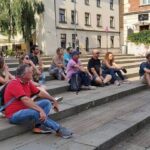
Meet your guide on the steps of the Old Synagogue. They will hold a Kazimierz Guided Tour sign.
How long is the tour?
The duration is 5 hours.
What sites does the tour include?
You’ll walk through Kazimierz in Kraków, visit Schindler’s Factory area and the former ghetto area in Podgórze, and see the ghetto wall remnants and Ghetto Heroes Square with the empty metal chairs memorial.
Is admission to Schindler’s Factory included?
Yes. Schindler’s Factory includes fast-track admission.
What languages are available?
The live guide is offered in French, English, German, Spanish, and Italian.
Is food included in the price?
No. Food and drinks are not included.
How early should I arrive?
Arrive at least 10 minutes prior to the tour start time. Late arrivals cannot be accommodated and tickets are non-refundable.
What group size should I expect?
Group size is limited to a maximum of 25 participants.
Do I need to provide participant names?
Yes. Because the museum issues personalized tickets, providing the full names of all participants at booking is mandatory.
Do tour times ever change?
Yes. The times are approximate and may be adjusted due to museum or site scheduling.
More Tour Reviews in Krakow
Krakow in Wartime: More Reviews
More of Jewish Kazimierz

Just added: fresh Krakow reviews
Schindler's Factory & WWII Tours, compared.
 ★ 4.3Schindler’s Factory Ticket and Guided Tour OptionFrom $254,306 reviews
 ★ 4.5Schindler’s Factory Tour with Entrance TicketFrom $493,182 reviews
 ★ 4.4Schindler’s Factory Skip-the-Line TicketFrom $253,105 reviews
★ 4.6Schindler’s Factory Tour with Entrance TicketFrom $401,737 reviews
★ 4.4Schindler’s Factory Skip-the-Line TicketFrom $253,105 reviews
★ 4.6Schindler’s Factory Tour with Entrance TicketFrom $401,737 reviews
 ★ 4.5Schindler’s Factory in Krakow: Guided Tour & Skip the Line TicketFrom $351,714 reviews
 ★ 4.7Schindler’s Factory & Ghetto Guided TourFrom $571,694 reviews
 ★ 4.3Schindler’s Factory Ticket with Guided Tour OptionFrom $421,485 reviews
 ★ 4.0Krakow Schindler’s Factory Guided Tour with Admission TicketFrom $351,156 reviews
Browse the lists this tour appears in