
Krakow tells wartime stories in plain sight. I love how this 2-hour WWII walk turns hard facts into something you can actually see, with stops in and around Podgórze and the former Jewish Ghetto area. It’s history you experience at street level, not in a classroom.
My other favorite parts are the specific landmarks: Schindler’s Factory and the pharmacy called Under the Eagle, plus the chance to stand near what’s left of the ghetto walls. One drawback to plan for: this is a serious, emotionally heavy topic, and it’s a walking tour with no food or drinks included, so bring water and keep your schedule realistic.
In This Review
- Key Things You’ll Remember From This Krakow WWII Ghetto Walk
- A 2-Hour Walk Through Podgórze’s WWII Layers
- Heroes of Getto Square: Where Public Memory Takes Shape
- Schindler’s Factory Story: What the Workers’ Photos Teach
- Under the Eagle Pharmacy: The One Pharmacy in the Ghetto
- Ghetto Walls and Bullet-Scarred Buildings: Facing What Remains
- Podgórze Main Square and Krakow’s City History Frame
- Bridge of Love and Athlete Sculptures: A Breather on the Way Out
- Price and Time: Is $36 Good Value for This Experience?
- What to Expect on the Ground: Pacing, Questions, and Emotional Tone
- Practical Tips That Make the Walk Easier
- Who This WWII Ghetto Walking Tour Is Best For
- Should You Book This Krakow WWII Ghetto Walking Tour?
- FAQ
- How long is the Krakow WWII and Ghetto walking tour?
- How much does the tour cost?
- What does the tour include?
- Is food or drinks included?
- What languages are available?
- Does the tour skip the ticket line?
- Where does the tour focus in Krakow?
- Is free cancellation available?
- Can I reserve now and pay later?
Key Things You’ll Remember From This Krakow WWII Ghetto Walk
- Heroes of Getto Square sets the tone with public memory and context before you start walking deeper into the story
- Schindler’s Factory is explained through survivor-focused photos and the people behind the myth
- The pharmacy Under the Eagle gets its due as the one pharmacy serving the Ghetto
- Ghetto walls and remaining fragments help you understand what was physically in place during the tragedy
- Podgórze’s main square adds a wider city-history frame, not just WWII details
- A short change of pace includes Bridge of Love and athlete sculptures swinging in the wind
Deeper into Kazimierz and its Jewish heritage
- Krakow: Schindler’s Factory & Ghetto Guided Tour
★ 4.7 · 1,694 reviews - Krakow: Jewish Quarter and Former Ghetto Tour
★ 4.9 · 1,441 reviews - Krakow: Bike Tour of Old Town, Jewish Quarter and the Ghetto
★ 4.9 · 1,155 reviews
A 2-Hour Walk Through Podgórze’s WWII Layers
This tour centers on the part of Krakow that lived through the realities of war: the Podgórze district and the area of the former Jewish Ghetto. You move along key points where the past is still written into the streets. That matters, because you don’t just hear names and dates—you connect them to locations.
The format is simple: a live guide leads you for about 2 hours, with English, Polish, or Russian language options. The pace is built for walking plus short, focused explanations at each stop, so you’re not rushing through everything with a blur of facts. I also like that it’s not trying to cover every museum in the city; it’s meant to give you a clear, coherent story in a compact time window.
Just be ready for the emotional weight. This is not a light sightseeing loop, and you’ll be learning about persecution and survival. If you prefer “pleasant Krakow” only, you might find this more intense than you expected.
Heroes of Getto Square: Where Public Memory Takes Shape
You start with Heroes of Getto Square, a smart choice because it frames what you’re about to see. Instead of jumping straight into individual buildings, the guide sets the stage—why this area matters, how the ghetto is remembered, and what the rest of the walk will connect back to.
This is the moment where you learn to read the city differently. Even if you’ve heard general WWII stories before, you’ll get a Krakow-specific lens: the ghetto wasn’t a distant idea, it was a real, bounded place where people lived and endured. Standing in a square like this helps you understand why commemorations are so carefully located.
What makes this stop valuable is how it prepares you to notice details later—wall remnants, buildings that survived shootings, and the significance of specific institutions like the ghetto pharmacy.
Schindler’s Factory Story: What the Workers’ Photos Teach
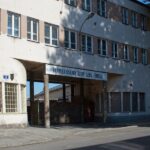
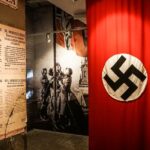
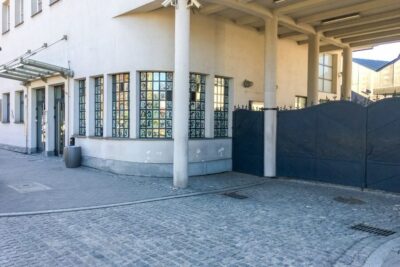
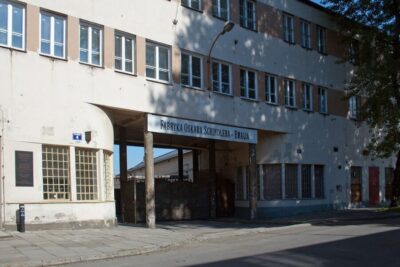
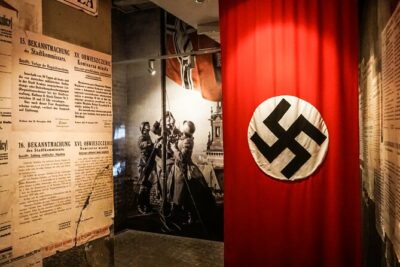
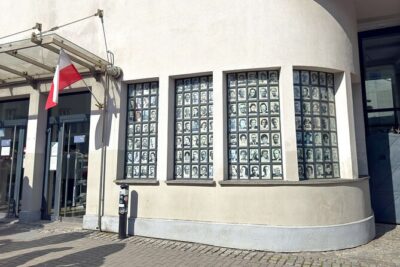
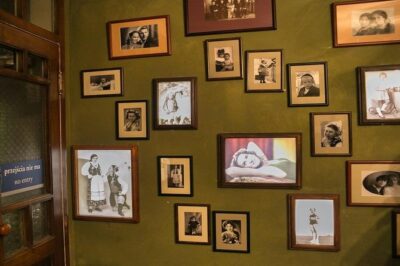
Next comes the story of Schindler’s Factory—the connection between Krakow’s wartime reality and the people who survived thanks to Oskar Schindler. What I like about this part is that it’s not presented as an abstract legend. You’re shown photos of workers who survived the war thanks to Schindler, which turns the narrative back toward individuals.
That’s the difference between reading about history and understanding it. Photos do what text can’t: they put faces to the story and make it harder to hide behind big-picture summaries. You also get enough context to understand why Schindler’s involvement became so important, and how a factory could matter in a world designed to destroy people.
One practical consideration: if you’re the kind of person who prefers to take notes or ask lots of questions, give yourself room to slow down here. Guides often welcome that energy, and you’ll likely want to connect what you’re hearing to what you see on the street.
More of Krakow under the wartime occupation
- Krakow: Schindler’s Factory Ticket and Guided Tour Option★ 4.3 · 4,306 reviews
- Krakow: Schindler’s Factory Tour with Entrance Ticket★ 4.5 · 3,182 reviews
- Krakow: Schindler’s Factory Skip-the-Line Ticket★ 4.4 · 3,105 reviews
- Krakow: Schindler’s Factory Tour with Entrance Ticket★ 4.6 · 1,737 reviews
Under the Eagle Pharmacy: The One Pharmacy in the Ghetto
Then you reach one of the most memorable stops on the walk: the pharmacy Under the Eagle, described as the one and only pharmacy in the Ghetto. This detail is striking because it’s so specific—and it forces you to think about everyday survival, not only dramatic events.
A ghetto isn’t just walls and dates. It’s also the basic needs people tried to meet under impossible conditions. A pharmacy tells a different kind of story: illness, limited resources, desperation, and the thin line between getting help and being denied it.
I also appreciate that this stop doesn’t treat “Under the Eagle” like a random landmark. The guide connects it to the wider wartime story so you understand why this business mattered and what it meant for the people who depended on it.
If you want your tour to feel grounded, this is the kind of stop that makes it work.
Ghetto Walls and Bullet-Scarred Buildings: Facing What Remains
As the walk continues, you’ll see the remaining parts of the ghetto walls and get a glimpse of buildings that survived shootings. This is where the tour becomes physically real. It’s one thing to hear about restriction and violence; it’s another to look at what still exists and understand how close everything was.
These remnants help you picture the “shape” of the tragedy. Even limited wall sections can give you a sense of where boundaries were, how people were hemmed in, and how daily movement was likely affected. And seeing structures that endured shootings reminds you that the war wasn’t only in documents—it was happening here.
A note for your expectations: remaining walls and damaged buildings can be subtle. Don’t worry if you miss small details at first. The guide’s job is to point out what matters and explain why it’s significant. If you’re unsure what you’re looking at, ask.
Podgórze Main Square and Krakow’s City History Frame
You also visit the main square of Podgórze and learn its history as a city—a helpful shift. After hours of WWII-focused learning, this part gives you a sense of continuity: Podgórze isn’t only a wartime backdrop. It has its own identity, timeline, and urban story.
This matters because it prevents the whole area from becoming a single tragedy-themed display. You leave understanding that people lived, worked, and built community in these streets long before and after the darkest period.
And because Krakow likes to keep things moving, the tour includes extra scenes beyond the strict WWII stops.
Bridge of Love and Athlete Sculptures: A Breather on the Way Out
Apart from WWII-focused sites, there’s a short drive that includes Cracow Bridge of Love and sculptures of athletes swinging in the wind. This is not a random detour. It gives you a moment to breathe and look at the city in a different mood.
The contrast is useful: you get a serious historical walk, then a quick look at Krakow’s public art and everyday city views. It’s a gentle reset—like stepping out of a heavy book and back into the real streets around you.
If you’re the type who worries about ending on an upbeat note after tough content, you may feel mixed about this part. I think it can work well if you see it as a change in sensory pace, not a denial of what you just learned.
Price and Time: Is $36 Good Value for This Experience?
At $36 per person for 2 hours, you’re paying for a live guide and a structured route through specific, meaningful points in Krakow’s WWII story. Since the tour includes guidance (and language support in English, Polish, or Russian), the value is in how well the guide connects the dots between locations.
You should also note what’s not included: food and drinks. That affects value in a practical way. Plan to top up before or after, especially if you’re doing this on a day with other activities. Bring a bottle of water and consider a snack if you’re someone who gets low energy during longer museum-free walks.
Another detail that helps value: the tour offers skip-the-ticket-line support. Even if you’re not thinking about ticket lines, this saves time and stress when you want to stay on schedule.
All told, this is a fair price when you want a guided, coherent narrative in a short window.
What to Expect on the Ground: Pacing, Questions, and Emotional Tone
This is a walking-focused experience, so comfort matters. Wear shoes you trust for uneven sidewalks and expect to spend most of your time on foot. Because the subject is difficult, I recommend pacing yourself mentally too—plan a quiet moment afterward instead of stacking your schedule immediately.
One thing I really like from the guide style you can expect here is that questions are encouraged. Guides described as welcoming and patient make it easier to ask the “hard” questions—the ones you’re thinking but don’t want to interrupt. I’ve seen examples of guides like Irene and Vlad described as great at inviting conversation and answering lots of questions carefully. That kind of approach can turn a tough topic into something you can actually process.
If you’re coming in with prior reading, you’ll still get value. And if you’re coming in fresh, the structure helps you build understanding without feeling lost.
Practical Tips That Make the Walk Easier
A few small choices can make this tour feel smoother:
- Wear comfortable shoes and light layers.
- Bring water since no drinks are included.
- If the emotional topic hits you hard, plan something calming afterward.
- Have one or two questions ready, especially about what you’re seeing at the walls and landmarks.
- Use the language option that feels easiest for you. If English is not your strongest, Polish or Russian may help you catch nuance fast.
Also, if you’re combining this with other Krakow sights, keep it in the middle of your day. Starting too late can make it harder to enjoy the “breather” city stops, while ending too early may feel like you still need time to absorb what you learned.
Who This WWII Ghetto Walking Tour Is Best For
This tour is a strong fit if you want a guided way to understand Krakow’s WWII reality—especially the former Jewish Ghetto area and the story connections tied to Schindler’s Factory. It’s also ideal for people who like specific landmarks, not only museum exhibits.
You’ll likely enjoy it if:
- You want context you can connect to street corners.
- You appreciate survivor-focused details like photos of workers.
- You prefer a short, structured experience rather than a full-day museum marathon.
You might not love it if:
- You’re looking for an upbeat, casual city walk only.
- You want food included or a relaxing schedule.
- You dislike walking while discussing heavy topics.
Should You Book This Krakow WWII Ghetto Walking Tour?
I’d book it if you want a clear, guided storyline in a tight timeframe—and you care about seeing how history is marked right where it happened. The combination of Heroes of Getto Square, Schindler’s Factory story, and Under the Eagle pharmacy gives you several angles: commemoration, survival narratives, and everyday necessities under oppression. Add in the wall remnants and bullet-scarred building views, and you get understanding that feels grounded.
Skip it if you only want light sightseeing, or if you’re not ready for heavy subject matter in a walking format. And because food and drinks aren’t included, make sure you’re planning around that so you don’t feel rushed or uncomfortable during the tour.
If you’re on the fence, think of it this way: for $36 and two hours, you’re buying a guided lens that turns locations into meaning.
FAQ
How long is the Krakow WWII and Ghetto walking tour?
The duration is 2 hours.
How much does the tour cost?
The price is $36 per person.
What does the tour include?
It includes a live tour guide.
Is food or drinks included?
No, food and drinks are not included.
What languages are available?
The live tour guide is available in English, Polish, and Russian.
Does the tour skip the ticket line?
Yes, it includes skip-the-ticket-line support.
Where does the tour focus in Krakow?
It focuses on the Podgórze district and the area of the former Jewish Ghetto, with stops tied to WWII events.
Is free cancellation available?
Yes. You can cancel up to 24 hours in advance for a full refund.
Can I reserve now and pay later?
Yes. You can reserve your spot and pay nothing today, then pay later.
More Guided Walks Through Town


Krakow in Wartime: More Reviews

More of Jewish Kazimierz


Just added: fresh Krakow reviews
Schindler's Factory & WWII Tours, compared.
 ★ 4.3Schindler’s Factory Ticket and Guided Tour OptionFrom $254,306 reviews
 ★ 4.5Schindler’s Factory Tour with Entrance TicketFrom $493,182 reviews
 ★ 4.4Schindler’s Factory Skip-the-Line TicketFrom $253,105 reviews
★ 4.6Schindler’s Factory Tour with Entrance TicketFrom $401,737 reviews
★ 4.4Schindler’s Factory Skip-the-Line TicketFrom $253,105 reviews
★ 4.6Schindler’s Factory Tour with Entrance TicketFrom $401,737 reviews
 ★ 4.5Schindler’s Factory in Krakow: Guided Tour & Skip the Line TicketFrom $351,714 reviews
 ★ 4.7Schindler’s Factory & Ghetto Guided TourFrom $571,694 reviews
 ★ 4.3Schindler’s Factory Ticket with Guided Tour OptionFrom $421,485 reviews
 ★ 4.0Krakow Schindler’s Factory Guided Tour with Admission TicketFrom $351,156 reviews
Browse the lists this tour appears in