
REVIEW · SCHINDLER'S FACTORY & WWII TOURS
Krakow: Jewish Quarter Kazimierz & Schindler’s Factory & Ghetto Guided Tour
Some tours feel like history class. This one feels real.
You’ll move through Kazimierz first, then into Oskar Schindler’s Enamel Factory, and finish at the heart of the Kraków Ghetto memorial sites. Two things I like a lot: the way the guide connects everyday Jewish life to wartime reality, and the fact that you get to the most in-demand museum part with skip-the-line ticket handling.
One consideration: this is a 5-hour walk on uneven streets and museum corridors that can feel tight, dim, and crowded at points—so it’s best if you’re comfortable standing and moving at a steady pace.
In This Review
- Key things to know before you go
- The big picture: why this tour hits harder than solo sightseeing
- Kazimierz: the former Jewish Quarter and what the streets teach you
- Schindler’s Enamel Factory: why the museum guide matters
- Plac Bohaterów Getta: Chair Memorial and Under the Eagle Pharmacy
- Guide quality: storytelling is the real upgrade
- Pace, steps, and what to pack for a long day
- Price check: is $83.27 worth it?
- Who should book, and who might prefer a different style
- Booking decision: should you do this tour in Kraków?
- FAQ
- How long is the tour?
- Is the tour offered in English?
- Do I need tickets for Schindler’s Enamel Factory?
- What ID do I need for the museum?
- Where does the tour start and end?
- Is there a time limit for arriving?
- Will the tour run in bad weather?
- How many people are in a group?
Key things to know before you go
- Three major WWII-era stops in one 5-hour stretch so you’re not piecing the day together on your own.
- Schindler’s Enamel Factory skip-the-ticket benefit plus a guided visit timed with the group.
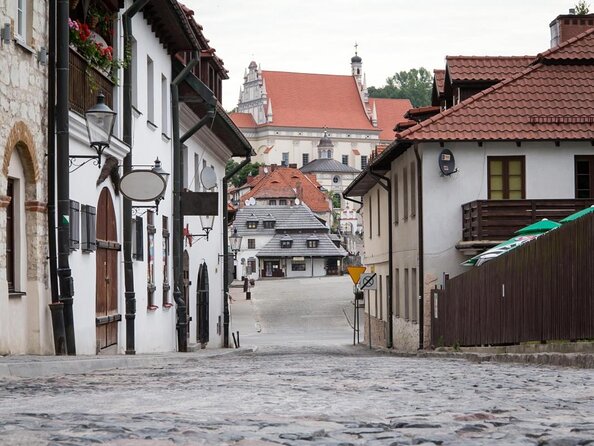
- Kazimierz walking route on cobbled lanes tied to faith, community, and surviving architecture.
- Ghetto Heroes Square and the Chair Memorial as a major emotional anchor of the tour.
- Maximum 25 people keeps it closer to a real conversation than a big bus tour.
- Bring passport or ID and list full names for museum entry at Schindler’s Factory.
Deeper into Kazimierz and its Jewish heritage
- Krakow: Schindler’s Factory & Ghetto Guided Tour
★ 4.7 · 1,694 reviews - Krakow: Jewish Quarter and Former Ghetto Tour
★ 4.9 · 1,441 reviews - Krakow: Bike Tour of Old Town, Jewish Quarter and the Ghetto
★ 4.9 · 1,155 reviews
The big picture: why this tour hits harder than solo sightseeing
If you only do one organized experience in Kraków for Jewish WWII history, this is the kind that helps you make sense of the geography. You’re not just seeing buildings with name labels. You’re walking from the prewar Jewish neighborhood into the occupation story, and then into the ghetto memorial landscape—where the city forces you to slow down and pay attention.
What makes this format work is the pacing across three different “modes” of storytelling. Kazimierz is street-level and human scale. Schindler’s Factory is museum-driven and designed to feel pressurized. The ghetto area is outside again, where you can connect what you just learned to physical remnants like portions of the wall and memorial points.
And yes, it’s a somber topic. But it’s not a drag. With the right guide, the day becomes focused and clear, not random or overly academic. Some guides are especially strong at storytelling, including names like Magdalena, Barbara, Dominika, Joanne, Helena, Phil, and Krzysztof—all called out for strong delivery and strong command of the material.
Kazimierz: the former Jewish Quarter and what the streets teach you
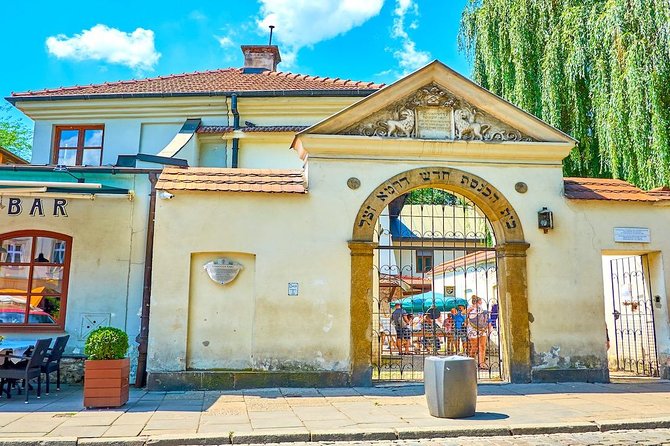
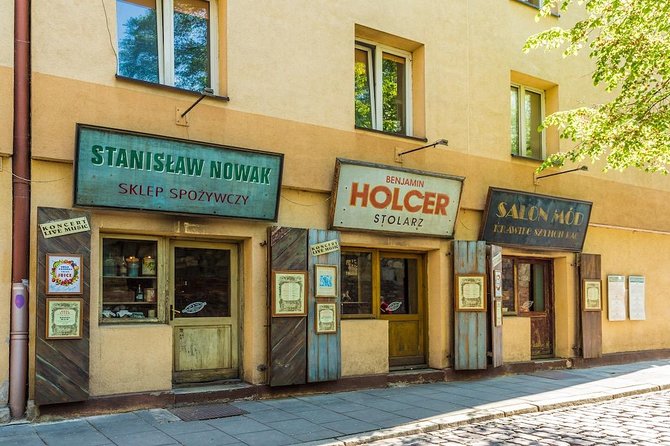
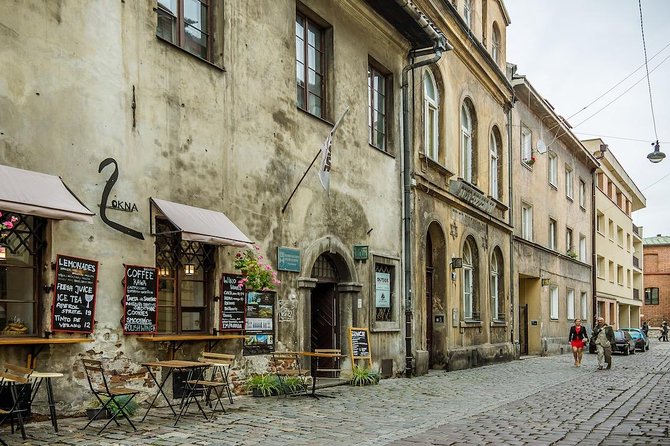
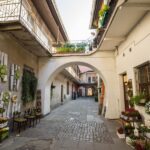
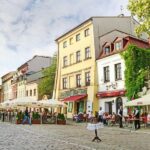
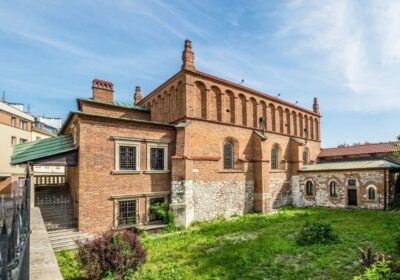
Kazimierz is where you get your bearings fast. The historic Jewish Quarter gives you the setting: narrow, cobbled streets; older synagogue and prayer-house sites; and small courtyards that help explain how community life really functioned.
This part of the tour is not just about pointing at landmarks. A good guide helps you understand what made Kazimierz different before the war—religious practice, learning, local business, and everyday family rhythms. You’ll hear stories that connect rabbis, merchants, and residents to the way the district looked and worked.
Practical note: you’ll want comfortable shoes. Cobblestones and uneven pavement can turn a “short walking tour” into a foot workout. The good news is that your guide keeps it structured, so you don’t feel like you’re wandering while trying to connect the dots.
What I’d do before you start, if you’re the type: take 2 minutes at your meeting spot to look around. Kazimierz is layered, and once you notice the small details—doorways, courtyard spaces, and street shapes—it becomes much easier to follow the story.
Schindler’s Enamel Factory: why the museum guide matters
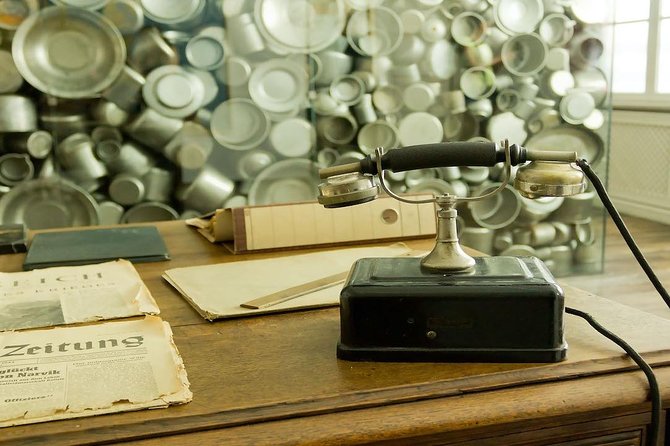
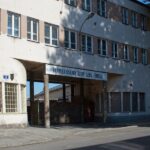
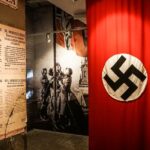
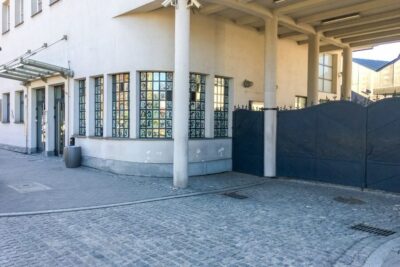
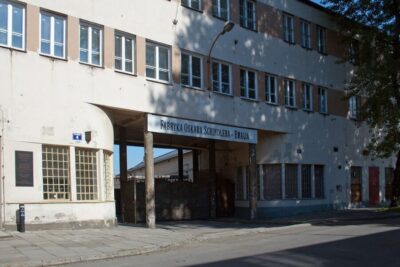
This is the centerpiece. Oskar Schindler’s Enamel Factory is a museum built in the former factory building, but today it doesn’t include the original machinery—so the experience comes from the exhibits, artifacts, photos, and the way the galleries guide you through time.
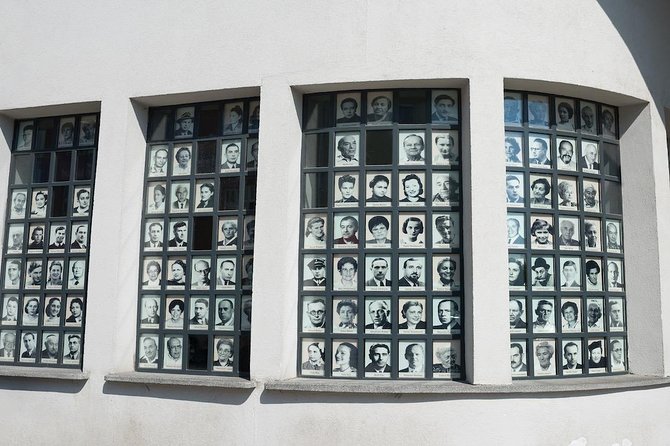
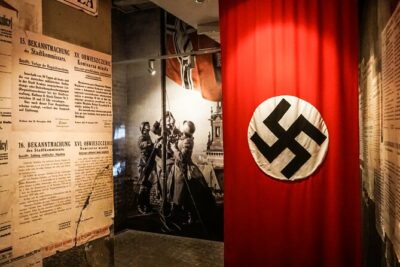
Here’s what makes the guided visit especially worthwhile: you’re not just reading panels. You’re moving through the exhibition titled Kraków under Nazi Occupation 1939–1945 with context that helps you connect the Jewish and non-Jewish experience in Kraków during the occupation. The museum design uses narrow corridors and dim rooms to recreate pressure and constraint. Even if you think you know what you’re walking into, the layout can catch you off guard.
Another value point: the tour includes ticket handling that avoids long lines. That matters in Kraków because the Schindler museum is popular, and waiting can quietly drain your energy for the rest of the day.
What to expect inside:
- A guided walkthrough of key sections related to Nazi occupation and local life.
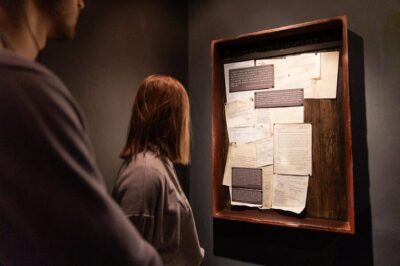
- Exhibits that use photographs, artifacts, and reconstructions to show what changed in daily routines.
- A museum experience that can feel emotionally heavy, especially because the design keeps you close and focused.
One caution from experience patterns you’ll see in any museum day: the factory rooms can get crowded. The museum itself may not be huge compared to visitor demand, so your view of a guide explaining something may vary depending on group size and where you stand. If you’re the type who needs clear sightlines, arrive with patience and plan to listen more than watch.
More of Krakow under the wartime occupation
- Krakow: Schindler’s Factory Ticket and Guided Tour Option★ 4.3 · 4,306 reviews
- Krakow: Schindler’s Factory Tour with Entrance Ticket★ 4.5 · 3,182 reviews
- Krakow: Schindler’s Factory Skip-the-Line Ticket★ 4.4 · 3,105 reviews
- Krakow: Schindler’s Factory Tour with Entrance Ticket★ 4.6 · 1,737 reviews
Plac Bohaterów Getta: Chair Memorial and Under the Eagle Pharmacy
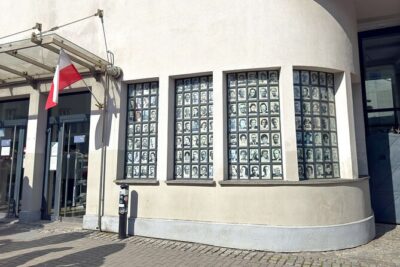
After the museum, you head back out into the city’s memorial geography. The Plac Bohaterów Getta (Ghetto Heroes Square) is where the story becomes physical.
You’ll see remnants of the ghetto wall—quiet proof that the boundary wasn’t abstract. Then you’ll visit the Chair Memorial, where empty chairs represent individual lives lost. It’s not the kind of spot where you rush photos. It’s built for stillness, and the guide will usually steer you toward what to notice emotionally and historically.
Next is the Under the Eagle Pharmacy, linked with Tadeusz Pankiewicz. The tour context here matters: it’s a reminder that even during extreme danger, some people took action—providing medicine, shelter, and hope at life-and-death risk.
I like ending here because it gives you something to carry forward. A museum explains what happened; memorial streets help you understand how the city remembers what happened, and why it matters now.
Guide quality: storytelling is the real upgrade
The tour is only as strong as the guide, and these days that can make a huge difference—especially with an emotionally intense topic.
From the strong guide feedback, I’d look for tours led by people like Krzysztof (praised for being engaging even for someone who typically avoids history), Barbara and Dominika (praised for knowledge and clear explanation of the timeline and community shifts), and Helena (praised for connecting the quarter, WWII events, and aftermath in a way that feels coherent).
Why this matters: when the guide explains the museum layout design choices, the significance of specific locations, and the small shifts in life before and during occupation, you end up with mental hooks. Without that, it can turn into three separate stops you leave with scattered facts.
If you’re booking and language is your only filter, still pay attention to the day’s group rhythm. A smaller group usually helps your guide manage pace and keep everyone moving together so you don’t feel dragged or lost.
Pace, steps, and what to pack for a long day
This is not a quick 2-hour highlight tour. It’s around 5 hours, with enough walking that you should treat it like a real day of sightseeing.
Plan for:
- Standing time during the museum and at memorial stops.
- Uneven ground in Kazimierz.
- A day where you’ll likely want a break for food and water.
Bring water. Bring some kind of lunch or snacks if you tend to get hungry while walking. Several people also specifically recommend packing lunch and staying ready for heat or long stretches on foot.
Weather matters too. The tour goes ahead rain or shine, so wear shoes you trust on wet cobblestones and bring a jacket that won’t punish you with discomfort.
One more practical point: you’ll be asked to arrive about 10 minutes early. Once the group departs, late joiners may not be able to join, and refunds may not apply—so treat the start time as firm.
Price check: is $83.27 worth it?
At $83.27 per person for about 5 hours, the value isn’t in the walking. It’s in three things you’re effectively paying for:
- A licensed expert guide who connects Kazimierz, the occupation story, and ghetto memorial points into one coherent narrative.
- Schindler’s Enamel Factory guided entry with skip-the-line handling, which saves time during the most popular stop.
- A small-group size (up to 25) that makes it easier to ask questions and stay together.
If you tried to do this alone, you’d likely spend time figuring out what matters most in each location—and you’d still face ticket demand at Schindler’s. Even if you buy tickets online, you’d miss the explanation of how the exhibits are designed and why certain locations matter.
So yes: it’s not a bargain-price tour. But it’s priced like a “high-demand, high-context” day. For many people, that’s exactly what they want in Kraków.
Who should book, and who might prefer a different style
This tour suits you if:
- You want a clear timeline from prewar Jewish life through Nazi occupation and the ghetto memorial sites.
- You like a guide’s storytelling more than self-guided panel reading.
- You’re okay with a longer day of walking and standing.
You might want to think twice if:
- You’re very sensitive to crowded museum rooms or tight corridors (the factory design uses narrow spaces on purpose).
- You have limited tolerance for emotionally heavy material presented in an organized, chronological way.
For accessibility: the tour notes a moderate physical fitness level is expected. If mobility is a concern, it’s worth checking with the operator before booking so you understand how much standing and walking you’ll handle comfortably.
Booking decision: should you do this tour in Kraków?
I’d book this if you want the best chance of making the city’s WWII Jewish history feel understandable—not just memorable. The combination of Kazimierz + Schindler’s Factory + ghetto memorial sites saves you from building your own route out of scattered information.
If you’re trying to decide between doing the museum and doing the walking context, this tour covers both in one day, and the guide support is a big reason why it tends to work well. Just come prepared: comfortable shoes, water, and a calm mindset for the emotional moments at the Chair Memorial and around the pharmacy story.
If you’re the kind of traveler who likes to ask questions and come away with a coherent sense of place, this is a strong match.
FAQ
How long is the tour?
It runs about 5 hours.
Is the tour offered in English?
Yes, the tour is available in English.
Do I need tickets for Schindler’s Enamel Factory?
You’ll have ticket access included for Schindler’s Enamel Factory, and the tour is set up to help you avoid long lines.
What ID do I need for the museum?
You must provide full names of all participants when reserving, and you need to bring a passport or ID for entry to Schindler’s Enamel Factory.
Where does the tour start and end?
It starts at Szeroka 24, 31-053 Kraków and ends at Apteka pod Orłem, Plac Bohaterów Getta 18, 33-332 Kraków.
Is there a time limit for arriving?
Please arrive about 10 minutes early. If the group leaves, latecomers may not be able to join, and tickets can’t be refunded.
Will the tour run in bad weather?
Yes. The tour goes ahead in all weather, rain or shine.
How many people are in a group?
The group size is capped at 25 travelers.
More Tour Reviews in Krakow
Krakow in Wartime: More Reviews

More of Jewish Kazimierz

Just added: fresh Krakow reviews
Schindler's Factory & WWII Tours, compared.
 ★ 4.3Schindler’s Factory Ticket and Guided Tour OptionFrom $254,306 reviews
 ★ 4.5Schindler’s Factory Tour with Entrance TicketFrom $493,182 reviews
 ★ 4.4Schindler’s Factory Skip-the-Line TicketFrom $253,105 reviews
★ 4.6Schindler’s Factory Tour with Entrance TicketFrom $401,737 reviews
★ 4.4Schindler’s Factory Skip-the-Line TicketFrom $253,105 reviews
★ 4.6Schindler’s Factory Tour with Entrance TicketFrom $401,737 reviews
 ★ 4.5Schindler’s Factory in Krakow: Guided Tour & Skip the Line TicketFrom $351,714 reviews
 ★ 4.7Schindler’s Factory & Ghetto Guided TourFrom $571,694 reviews
 ★ 4.3Schindler’s Factory Ticket with Guided Tour OptionFrom $421,485 reviews
 ★ 4.0Krakow Schindler’s Factory Guided Tour with Admission TicketFrom $351,156 reviews
Browse the lists this tour appears in