
REVIEW · SCHINDLER'S FACTORY & WWII TOURS
Krakow: Schindler’s Factory and Jewish Ghetto Guided Tour
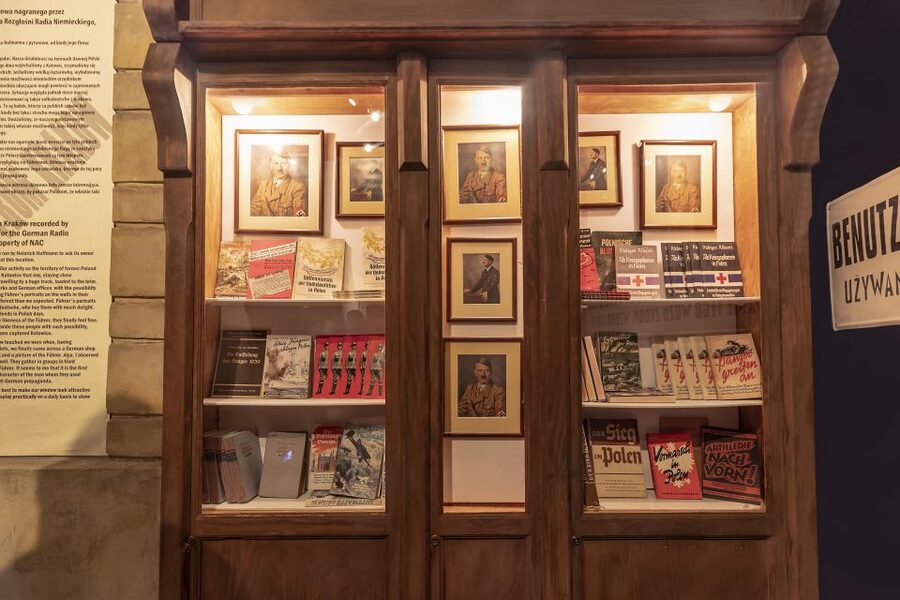
Dark history, told with human scale. In just three hours, this guided route connects Schindler’s world inside Podgórze to the places where the Holocaust still echoes. You’ll see the factory that employed Jewish workers and then walk the streets of the ghetto area, with memorial moments built into the walk.
I love how the Schindler’s Factory tour gives clear, grounded context: who Oscar Schindler was, how the factory operated during Nazi occupation, and why the events inspired Schindler’s List. I also like that the walking portion doesn’t feel like a museum add-on. The stop at 68 Empty Chairs in Heroes’ Square and the on-the-ground look at surviving ghetto architecture help the story land in real space.
One consideration: timing and group flow can affect comfort. In winter (when it’s dark early), the ghetto walk can be harder to see well, and the factory museum can mean moving through narrow corridors with a larger group.
In This Review
- Key things you should know before you go
- Why Schindler’s Factory and the Krakow ghetto walk fit together
- Inside Schindler’s Factory: Oscar Schindler, daily work, and the real inspiration for Schindler’s List
- The Podgórze walking portion: ghetto streets, surviving wall sections, and the sense of confinement
- Heroes’ Square and the 68 Empty Chairs: why this memorial changes the tone
- Under the Eagle pharmacy: a small place that explains how survival worked
- Price and value: what $58 gets you, and when it feels worth it
- Group size, headsets, and what to do if the tour feels crowded
- Who this tour suits best
- Should you book this Krakow tour?
- FAQ
- Where do I meet the guide?
- How long is the tour?
- What does the ticket include?
- Is food or drinks included?
- Does the tour include the 68 Empty Chairs?
- What places are included in the ghetto walking portion?
- Which languages are available for the live guide?
- Do I need a passport or ID to enter Schindler’s Factory?
- Is there a line I need to wait in at the museum?
- What’s the cancellation policy?
Key things you should know before you go
- Schindler’s Factory first, Podgórze second: the tour moves from the factory’s wartime reality to the ghetto streets without losing the thread.
- Stops matter: you’ll include Heroes’ Square and the 68 Empty Chairs, plus the Under the Eagle pharmacy.
- A guide makes the difference: the value is in how the story is explained, not just in reading labels.
- Expect a structured pace: there’s time for the factory tour, a short break, and then about an hour for the ghetto walking part.
- Bring ID for museum entry: personalized tickets require full names and a passport or ID.
Deeper into Kazimierz and its Jewish heritage
- Krakow: Schindler’s Factory & Ghetto Guided Tour
★ 4.7 · 1,694 reviews - Krakow: Jewish Quarter and Former Ghetto Tour
★ 4.9 · 1,441 reviews - Krakow: Bike Tour of Old Town, Jewish Quarter and the Ghetto
★ 4.9 · 1,155 reviews
Why Schindler’s Factory and the Krakow ghetto walk fit together
Schindler’s Factory and Krakow’s Jewish ghetto area are close enough that you can connect them with your feet, not just your imagination. This tour keeps the connection tight. You start in the factory, where the wartime economy and survival strategies intersected with Schindler’s actions. Then you move into Podgórze and the surrounding ghetto area, where you get the spatial feeling of what confinement and displacement looked like.
What makes this pairing especially useful is that you’re not only seeing tragedy. You’re also seeing decision-making, daily routines, and how people tried to live through conditions designed to crush them. The result is a tour that feels like a story with cause-and-effect, rather than two separate attractions stitched together.
And yes, the Hollywood link comes up, but you’re not trapped in movie trivia. The guide-led framing is aimed at the real events behind Schindler’s List, so you can walk away understanding why the subject matter resonated and what it left out.
Inside Schindler’s Factory: Oscar Schindler, daily work, and the real inspiration for Schindler’s List
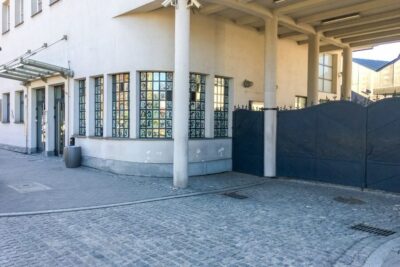
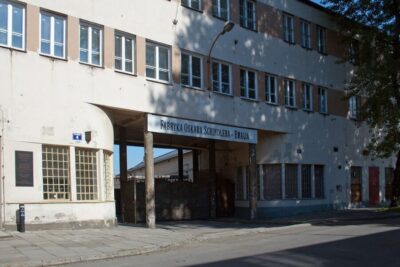
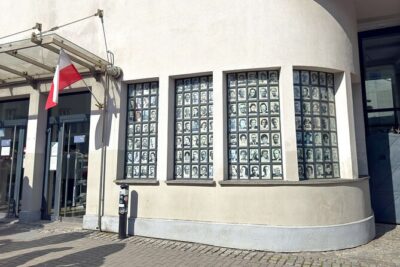
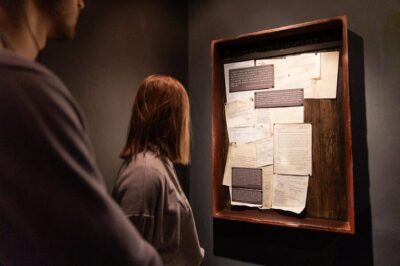
Meet your guide at the entrance to the Schindler Factory Museum, looking for an excursions.city sign. From there, the tour is designed to get you in and moving. You’ll have entry to Schindler’s Factory plus a guided walkthrough of the museum’s main wartime themes.
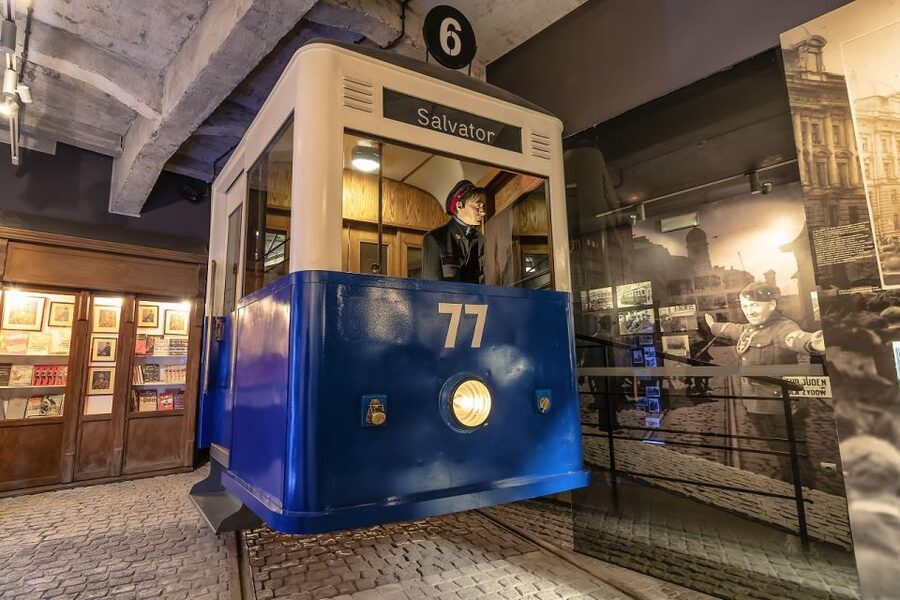
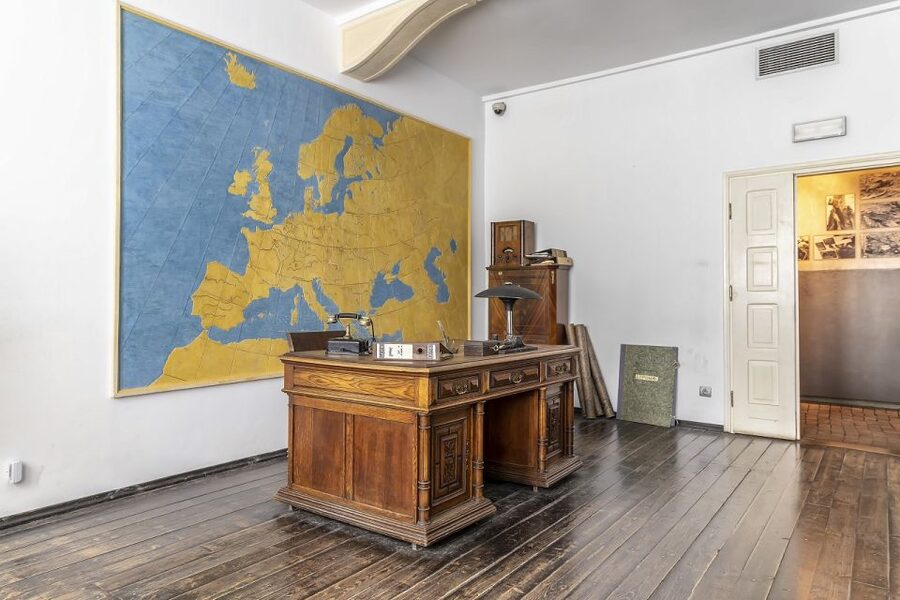
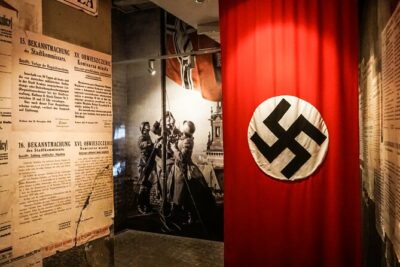
The factory portion typically runs about 1.5 hours, and that time is the heart of the experience. This isn’t just a collection of exhibits. The guide connects Oscar Schindler’s role as a German entrepreneur to what Jewish workers faced on a daily basis. You hear how the factory functioned during the occupation and how it became part of a system that could, in limited ways, protect specific people for a time.
One practical point: the museum hallways can be narrow. If you’re traveling with limited patience for crowds, be prepared for a group that moves as one unit. A couple of guides’ styles stood out in feedback—people praised storytelling and emotional context, especially mentions of Helena, Ela, and Christopher. That’s a clue that the tour’s real strength is interpretation: you’ll know what you’re looking at and why it matters.
There’s also usually a short break after the factory tour—around 30 minutes—before the ghetto walking portion begins. Use that time. If you’re sensitive to cold, this is your window to warm up, grab water, and reset your brain before the walking part gets heavier.
The Podgórze walking portion: ghetto streets, surviving wall sections, and the sense of confinement
After the museum, the tour shifts outdoors and into Podgórze. This is the part where the tour stops being a narrative delivered by your guide and starts becoming a visual experience you can navigate yourself.
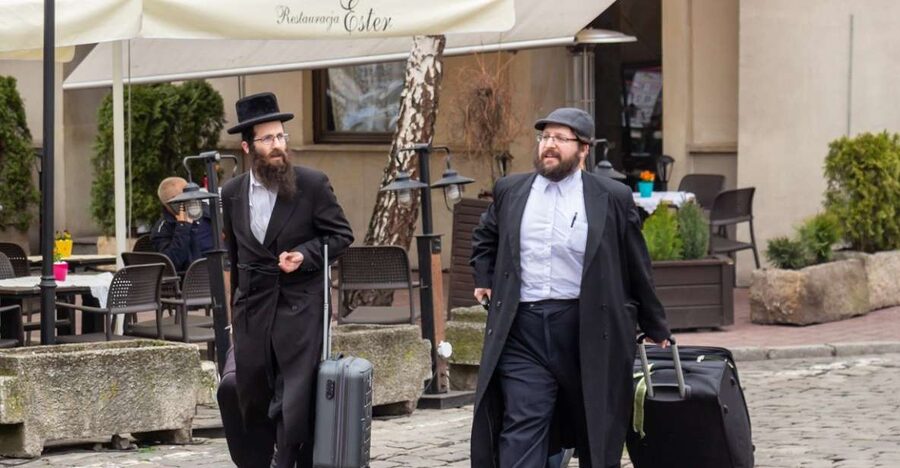
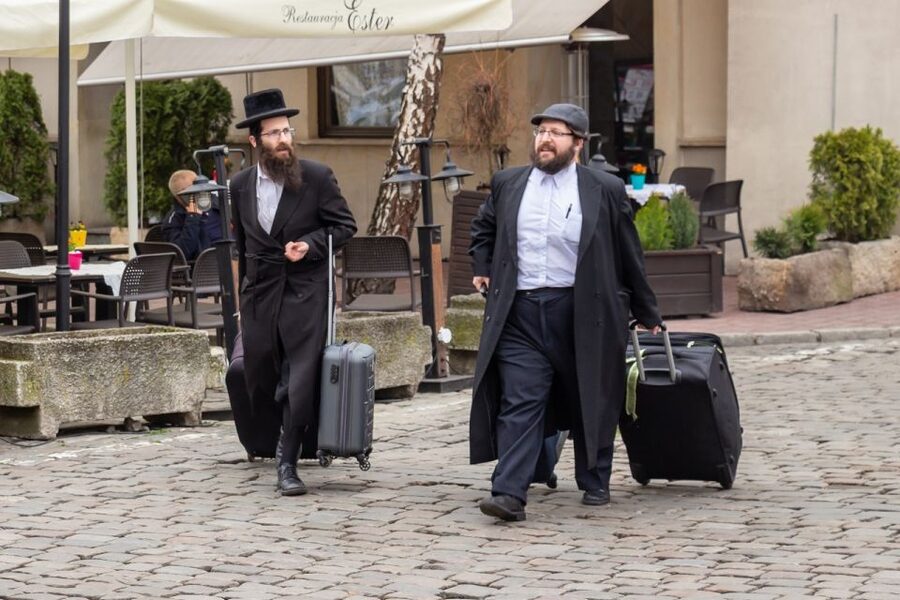
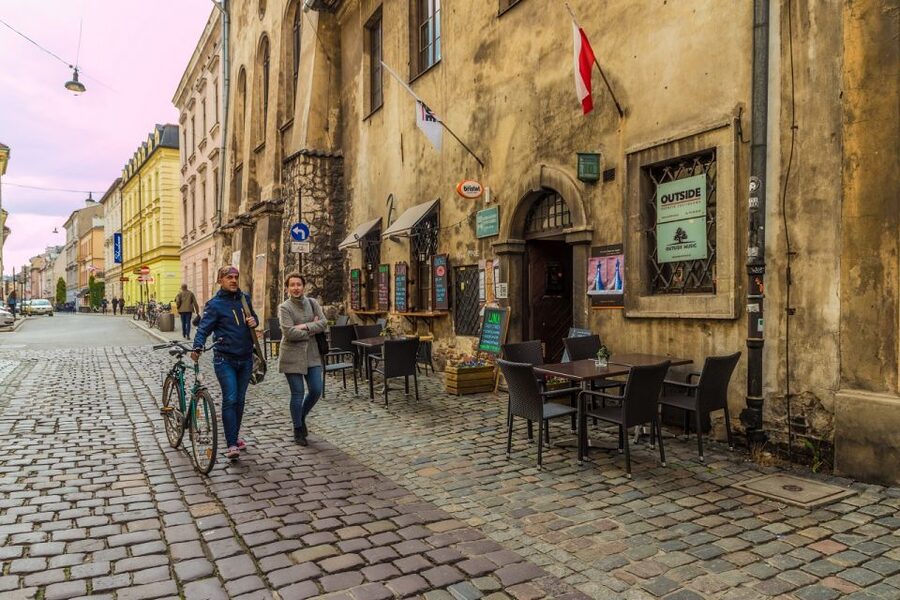
You’ll walk key areas of the former ghetto region and learn about daily life under Nazi occupation, then you’ll see physical traces that are still there. The tour includes a look at part of an undestroyed wall section around the ghetto area and houses where thousands of displaced Jews once lived. Even if you’re not a history nerd, that kind of specific framing helps your brain build a map: where people were, where restrictions tightened, and why movement mattered so much.
In many places, the ghetto buildings are not restored into one neat “set.” They sit in the modern city, which can make the contrast feel jarring. That’s also why a guided walk helps. A guide can point out what to notice, instead of leaving you to guess.
One timing note based on real-world experience: if you go in December or another winter month, daylight can be short. When the walk starts after dark, details you’re supposed to notice can be harder to see. The story still lands, but your camera and your eyes will have a tougher job. If you can choose a starting time, earlier is often worth it for visibility.
More of Krakow under the wartime occupation
- Krakow: Schindler’s Factory Ticket and Guided Tour Option★ 4.3 · 4,306 reviews
- Krakow: Schindler’s Factory Tour with Entrance Ticket★ 4.5 · 3,182 reviews
- Krakow: Schindler’s Factory Skip-the-Line Ticket★ 4.4 · 3,105 reviews
- Krakow: Schindler’s Factory Tour with Entrance Ticket★ 4.6 · 1,737 reviews
Heroes’ Square and the 68 Empty Chairs: why this memorial changes the tone
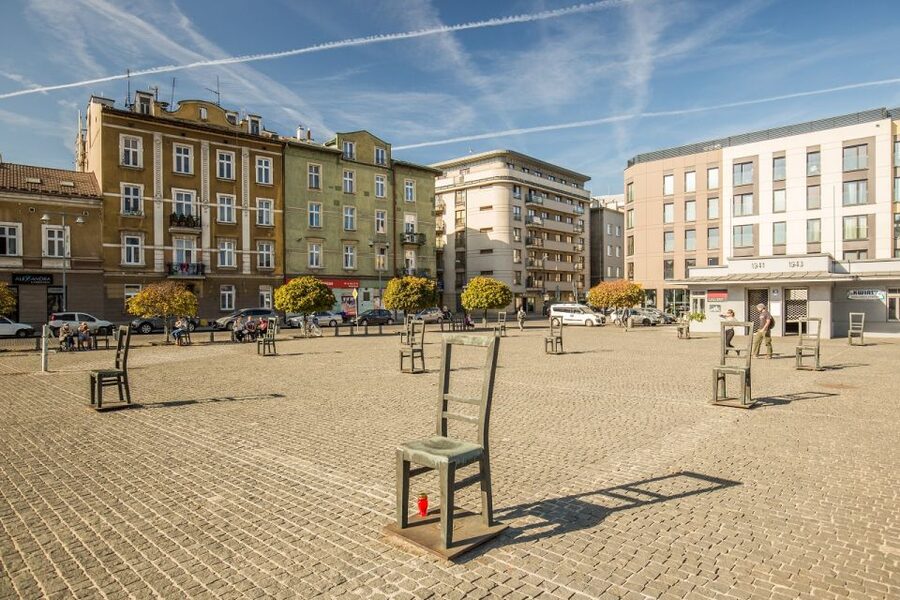
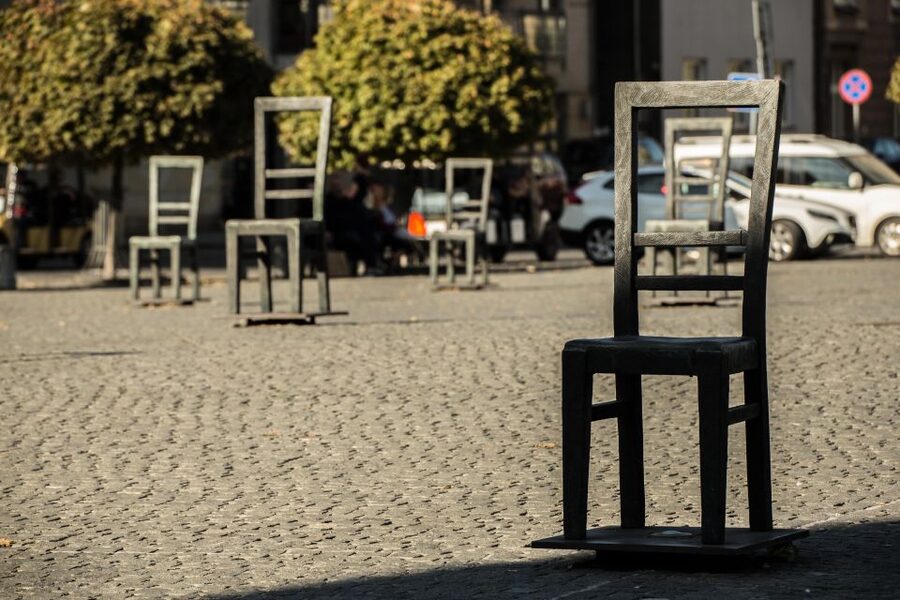
A key stop is Heroes’ Square and the 68 Empty Chairs memorial. This is not a random photo spot. The guide explains what the memorial represents, and the placement makes it feel like a public interruption of normal city life.
What I like about including this here is pacing. The factory portion raises big questions about who had power and what was done with it. Then the walk portion brings you into the physical geography of the ghetto. Finally, the chairs make you stop and face the scale of loss in a way that can’t be talked past.
Memorials hit hardest when you’re not rushing. If you tend to sprint through attractions, slow down here. Let the moment do its work. The chairs are simple, but the effect isn’t.
Under the Eagle pharmacy: a small place that explains how survival worked
The tour also includes a stop at the pharmacy called Under the Eagle. It’s a named location, which matters, because it signals that this was not just background scenery. The guide explains the pivotal role it played in the lives of many Jewish people during the war.
This stop often works like a bridge between the “big story” and the “daily reality” story. When you’re learning about wartime conditions, it’s easy to focus only on events and policy. A pharmacy forces the conversation onto basic needs—medicine, access, and what it meant to manage health and illness when normal systems collapsed.
Even if you don’t remember every detail the guide shares, this kind of stop helps you understand the texture of life during the occupation. It’s not only about what happened to people. It’s also about what they tried to hold onto.
Price and value: what $58 gets you, and when it feels worth it
At $58 per person for a 3-hour tour, you’re paying for more than entry. Your ticket includes a live guide, entry to Schindler’s Factory, the factory guided tour, and the walking tour of Podgórze.
Is it worth it? I think it’s a good value if you want meaning, not just sightseeing. Several guides in feedback were praised for explaining what you’re looking at—people specifically noted they were unsure they’d get the best experience without a guide. That tracks with how the museum is set up: a lot of what you see is powerful, but without context it can stay surface-level.
If you’re the type who reads every label and prefers to go at your own speed, you might be able to see the museum without a guide. But if your goal is to leave with a clear understanding of Oscar Schindler’s role, the factory’s wartime use, and how the ghetto story fits into the same bigger picture, this guided structure is the main reason the price holds up.
Group size, headsets, and what to do if the tour feels crowded
Most of the time, this tour runs smoothly because it’s built around a guided sequence. Still, you should know what can affect your experience.
In some feedback, people mentioned the factory group could feel large and the museum corridors narrow, which makes movement slower and can limit how long you stay with each exhibit. Headsets can help in that situation, but there was at least one report of audio controls not working well in the factory museum. The ghetto walk, in that case, was easier to hear because the group was smaller.
So here’s my practical advice: if you’re sensitive to crowding, pack patience for the factory portion, and aim to stay close to your guide. If you notice headphones aren’t working, tell your guide quickly. Waiting and pretending you can hear through it usually makes the whole experience more stressful than it needs to be.
Who this tour suits best
This tour is ideal if you want a guided, story-driven understanding of the Holocaust in Krakow, tied to a single location that many people connect to Schindler’s List. It’s also a good match if you like structure: museum first, then walking, with set memorial stops.
It may be less satisfying if you want a completely self-paced experience, because museum movement through narrow corridors and group pacing are part of the deal. If you’re going with a partner or friend, it can also help to agree ahead of time to follow the group rhythm, at least inside the factory.
Language options are available: French, Spanish, English, German, and Italian. If you’re watching your comprehension closely, choose your strongest language and you’ll get more out of every stop.
Should you book this Krakow tour?
Book this tour if you want the Schindler’s Factory story explained in a way that connects to the Podgórze ghetto geography, with meaningful stops like Heroes’ Square, the 68 Empty Chairs, and Under the Eagle. The price feels fair when you factor in guided interpretation and the time it saves by keeping everything together in one flow.
Skip or reconsider if you know you dislike guided group movement in museums, or if winter darkness will make walking uncomfortable for you. If you do book in winter, try to choose the earliest possible start time so you can see more of what the guide points out.
If your priority is to understand what happened and why it mattered, this is one of the most direct ways to do it in Krakow.
FAQ
Where do I meet the guide?
Look for a guide with an excursions.city sign waiting at the entrance to the Schindler Factory Museum.
How long is the tour?
The tour lasts about 3 hours.
What does the ticket include?
It includes a live guide, entry to Schindler’s Factory, a tour of Schindler’s Factory, and a walking tour of Podgórze.
Is food or drinks included?
No. Food and drinks are not included.
Does the tour include the 68 Empty Chairs?
Yes. The route includes a stop at the 68 Empty Chairs in Heroes’ Square.
What places are included in the ghetto walking portion?
You’ll walk through Podgórze, see part of an undestroyed ghetto wall section, view houses where thousands lived, stop at the Under the Eagle pharmacy, and reach Heroes’ Square for the 68 Empty Chairs.
Which languages are available for the live guide?
French, Spanish, English, German, and Italian.
Do I need a passport or ID to enter Schindler’s Factory?
Yes. You must provide full names of all participants when reserving and bring a passport or ID for entry.
Is there a line I need to wait in at the museum?
The tour includes skipping the ticket line.
What’s the cancellation policy?
You can cancel up to 24 hours in advance for a full refund.
More Tour Reviews in Krakow

Krakow in Wartime: More Reviews



More of Jewish Kazimierz



Just added: fresh Krakow reviews
Schindler's Factory & WWII Tours, compared.
 ★ 4.3Schindler’s Factory Ticket and Guided Tour OptionFrom $254,306 reviews
 ★ 4.5Schindler’s Factory Tour with Entrance TicketFrom $493,182 reviews
 ★ 4.4Schindler’s Factory Skip-the-Line TicketFrom $253,105 reviews
★ 4.6Schindler’s Factory Tour with Entrance TicketFrom $401,737 reviews
★ 4.4Schindler’s Factory Skip-the-Line TicketFrom $253,105 reviews
★ 4.6Schindler’s Factory Tour with Entrance TicketFrom $401,737 reviews
 ★ 4.5Schindler’s Factory in Krakow: Guided Tour & Skip the Line TicketFrom $351,714 reviews
 ★ 4.7Schindler’s Factory & Ghetto Guided TourFrom $571,694 reviews
 ★ 4.3Schindler’s Factory Ticket with Guided Tour OptionFrom $421,485 reviews
 ★ 4.0Krakow Schindler’s Factory Guided Tour with Admission TicketFrom $351,156 reviews
Browse the lists this tour appears in