
REVIEW · SCHINDLER'S FACTORY & WWII TOURS
Krakow: Schindler’s Factory & Ghetto Guided Tour
Street corners can tell the truth. This guided tour links Schindler’s Factory with the real streets of Podgórze, so you see how the story played out day by day. You get a structured visit to a top museum, then a walking route where the war’s impact is still visible.
Two things I really like: you don’t rush through the museum—your guide helps you make sense of what you’re seeing—and the walk through Podgórze grounds those lessons in specific locations, like the ghetto wall section, Pod Orłem Pharmacy, and the Empty Chair Monument. One drawback: this is emotional territory, and the schedule is strict, so you’ll want to be on time since late entry can mean you miss the tour.
Key things to know before you go
- Schindler’s Factory Museum, guided with included tickets and skip-the-line entry
- Podgórze walking route through the wartime Jewish ghetto area
- Named sights you’ll hit: an undestroyed ghetto wall section, Pod Orłem Pharmacy, and Heroes’ Square’s Empty Chair Monument
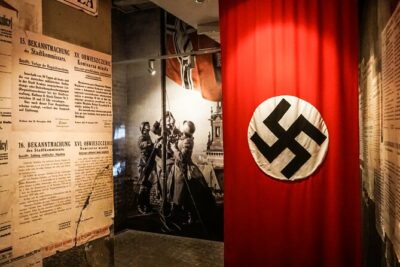
- Kraków Under Nazi Occupation exhibition focus on how the occupation shaped daily life
- 3-hour group pacing designed to connect museum ideas to street evidence
In This Review
- Why Schindler’s Factory plus Podgórze works in just 3 hours
- Entering Schindler’s Factory Museum: the guided experience that makes it click
- Kraków Under Nazi Occupation: understanding daily life under the occupation
- Podgórze street walk: where ghetto history becomes place and evidence
- Heroes’ Square and the Empty Chair Monument with 68 seats
- Price and value: what $58 covers (and what it doesn’t)
- Pacing and the one thing you should not risk: being late
- Who should book this tour—and who might skip it
- Should you book: the smart decision for most first-timers in Krakow
- FAQ
- Where do I meet the guide?
- What’s included in the tour price?
- Is food or drinks included?
- How long is the tour?
- What languages are available for the live guide?
- Do I need to bring identification for entry?
- What happens if I arrive late?
- Can I cancel and get a refund?
Why Schindler’s Factory plus Podgórze works in just 3 hours
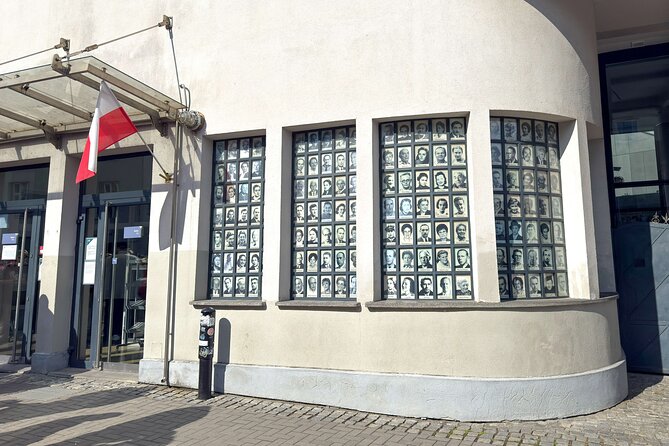
Krakow can be easy to turn into postcard scenery. This tour does the opposite. You start in a museum built around Oskar Schindler’s story, then you move to Podgórze where the wartime ghetto was located. That sequence matters. It turns facts into a place-based understanding.
I also like that the tour isn’t trying to be everything at once. At 3 hours, it gives you a guided thread: what happened, what it meant for civilians, and where you can still point to the physical reminders. You leave with a clearer mental map of how the occupation controlled everyday life.
That said, expect the tone to be serious. You’re walking through the remnants of a system that destroyed normal life. If you prefer upbeat sightseeing, this one will feel heavy. If you want context—and you can handle it—you’ll get a lot for your time.
Deeper into Kazimierz and its Jewish heritage
- Krakow: Schindler’s Factory & Ghetto Guided Tour
★ 4.7 · 1,694 reviews - Krakow: Jewish Quarter and Former Ghetto Tour
★ 4.9 · 1,441 reviews - Krakow: Bike Tour of Old Town, Jewish Quarter and the Ghetto
★ 4.9 · 1,155 reviews
Entering Schindler’s Factory Museum: the guided experience that makes it click
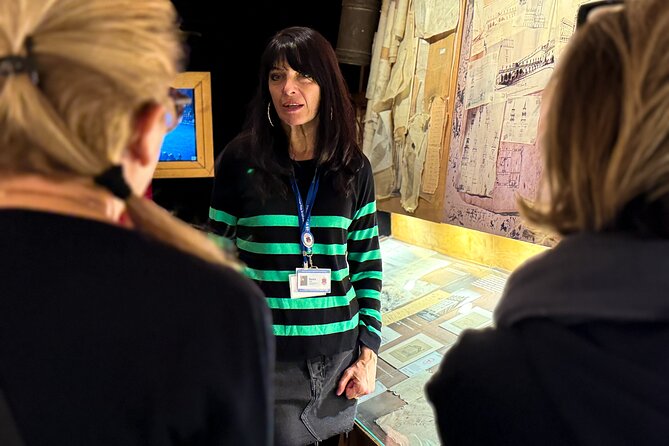
Schindler’s Factory Museum is the anchor. With included tickets and a professional live guide, you’re not just reading signs. You’re getting explanations that help you connect the exhibits to the human story behind them.
In a museum like this, the details can blur if you’re on your own. A good guide helps you focus on what you’re looking at: the exhibition themes, how the occupation tightened control, and why Schindler’s actions mattered in a landscape of extreme danger. The tour’s structure is built for that. You’re meant to learn, then see the street-world version of the same reality.
You’ll also want to plan for punctual entry. The tour is scheduled as a group with a strictly defined timeline. The museum does not accept late arrivals, so if you show up late, you risk being turned away and unable to join (and without the ability to just return later).
Kraków Under Nazi Occupation: understanding daily life under the occupation
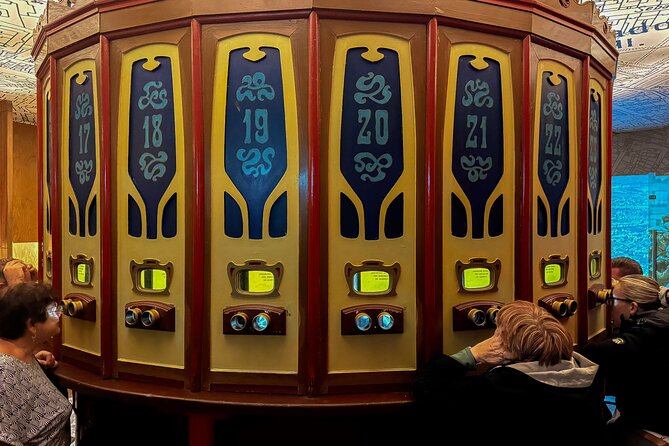
A key stop inside is the Kraków Under Nazi Occupation exhibition. This is where the story gets practical—how Nazi occupation policies shaped everyday life, not just big-picture events.
This matters because history can become abstract if you only hear dates and numbers. When the guide talks through what daily life looked like, you start to understand what “occupation” really meant: control over movement, work, safety, and survival. Even when you know the broad outline already, this kind of exhibition framing often changes how you remember it.
Think of it like tightening focus. Instead of seeing a war in one wide lens, you get a closer one. And then, by the time you step outside into Podgórze, you’re primed to notice what’s left behind—the physical evidence that turns interpretation into observation.
If you’re the type who likes to ask questions, this tour tends to be a good fit. The experience is run by professional guides who are prepared to answer and explain, and that can make a big difference in a museum environment.
Podgórze street walk: where ghetto history becomes place and evidence
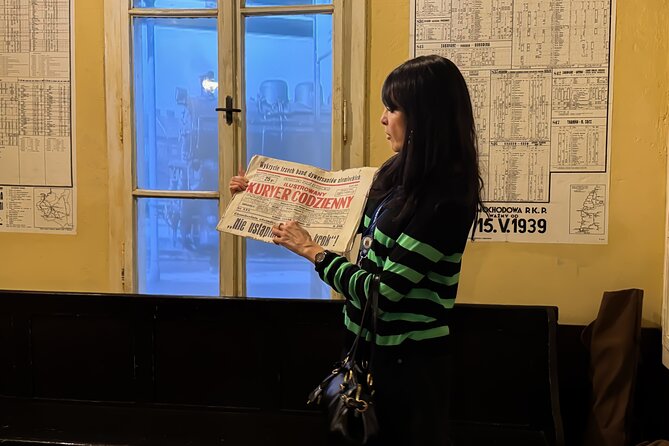
After the museum, you walk through Podgórze, the wartime ghetto district. This is the part that often sticks with people, because you’re no longer looking at displays—you’re seeing the area tied to those displays.
On this route, you’ll visit:
- A portion of the undestroyed ghetto wall
- Houses where thousands of displaced Jewish residents lived
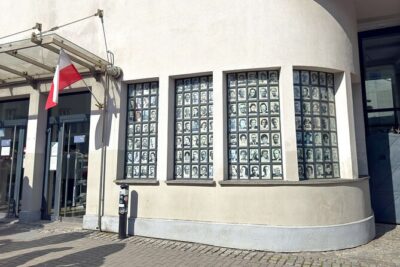
- Pod Orłem Pharmacy
- Heroes’ Square and the Empty Chair Monument
These stops aren’t there just for variety. Each one helps you understand a different layer of what happened. The wall gives you an immediate sense of confinement. The houses connect the story to housing pressure, overcrowding, and displacement. Pod Orłem Pharmacy adds a human-scale detail—because even under oppression, ordinary streets still had real services and real routines, until they were disrupted.
If you tend to visualize well, this walking segment is a strong match. You’ll be able to picture the events more clearly because you’re moving through a preserved geographic framework.
More of Krakow under the wartime occupation
- Krakow: Schindler’s Factory Ticket and Guided Tour Option★ 4.3 · 4,306 reviews
- Krakow: Schindler’s Factory Tour with Entrance Ticket★ 4.5 · 3,182 reviews
- Krakow: Schindler’s Factory Skip-the-Line Ticket★ 4.4 · 3,105 reviews
- Krakow: Schindler’s Factory Tour with Entrance Ticket★ 4.6 · 1,737 reviews
Heroes’ Square and the Empty Chair Monument with 68 seats
One of the most symbolic parts of the tour is the Empty Chair Monument in Heroes’ Square. It uses 68 chairs as a representation—turning memorial into something you can count, see, and stand beside.
This stop works because it gives you a moment to absorb what you’ve learned. Museums provide explanation; monuments provide pause. You don’t just read about loss or displacement. You encounter a physical form of remembrance that forces your attention to remain on what was taken away.
I also find that this monument pairs well with the ghetto-wall and street evidence you’ve seen earlier. The tour moves from constraint to captivity to memory. The chairs sit in the open, and that contrast is powerful: history happened here, and people still live and walk nearby.
Price and value: what $58 covers (and what it doesn’t)
At $58 per person for a 3-hour guided experience, the value comes from combining two things that cost time and planning on your own: a major museum entry and an in-the-streets interpretation of the ghetto area.
You get:
- Tickets to Schindler’s Factory Museum
- A professional guide
- A walking tour component
You also get skip-the-ticket-line service, which can be a real time-saver for a popular museum. The big downside is what you don’t get: food and drinks aren’t included. That’s not unusual for this kind of tour, but it’s smart to bring water and plan a meal after, since the subject matter can make time feel faster and longer than you expect.
If you’re deciding between self-guided museum time and a guided approach, a tour like this is usually worth it. You’re paying for clarity—someone else is doing the connecting and interpreting while you focus on the sites.
Pacing and the one thing you should not risk: being late
This is a group tour with a tightly defined schedule, and Schindler’s Factory Museum is clear about it. The museum does not accept late arrivals. Groups enter punctually at the appointed time, and late persons will not be admitted without the possibility of returning the money.
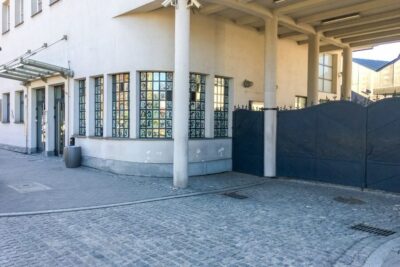
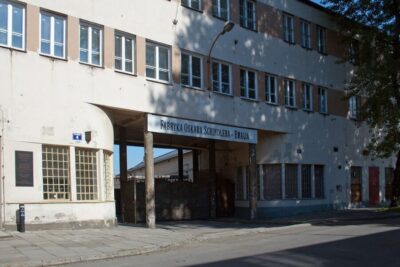
So here’s my practical advice: build buffer time into your morning or afternoon. Then aim to arrive early enough to find your guide and get settled. Your meeting point is in front of the main entrance to the Schindler’s Factory Museum. Look for the guide with the inscription excursions.city.
Also, from January 1, 2026, tour times are approximate and may change because museum scheduling can affect timing. If you’re building other plans the same day, keep them flexible.
Who should book this tour—and who might skip it
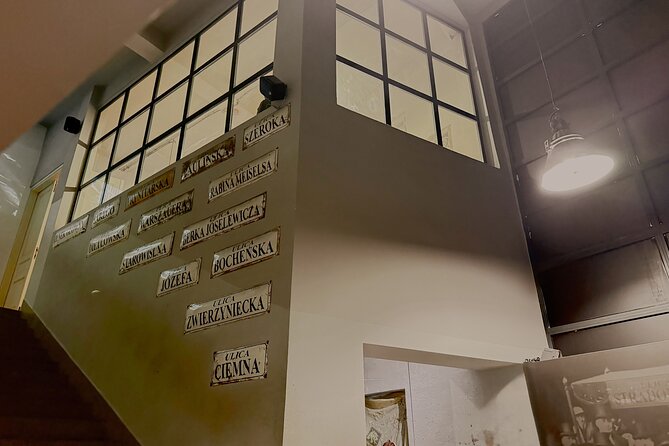
I’d recommend this tour if you want context, not just sightseeing. It fits well if you like guided interpretation, you prefer your history grounded in real places, and you want to leave with a more organized understanding of how the occupation shaped life in Krakow.
It’s also a good choice if you’re limited on time. Museum-only visits can feel like reading a chapter without seeing the pages. This one ties museum themes to the streets of Podgórze, including named locations you can remember later.
I’d consider skipping or swapping to a lighter format if you don’t handle difficult topics well, or if you’re the kind of traveler who hates fixed schedules. The strict entry rules mean you should treat timing as part of the experience—because you’re paying for a guided flow, not just a ticket.
Should you book: the smart decision for most first-timers in Krakow
If this topic is on your Krakow list, I think booking makes sense. The tour covers the core museum experience with guided support, then adds the street-level reality of Podgórze. That pairing is the value. You don’t just learn about the ghetto—you see where it was and what remains.
The price feels fair for what’s included—museum tickets, a professional guide, and a structured 3-hour walk. Just go in with the right mindset: this is reflective, serious, and best enjoyed slowly, even if the schedule moves you along.
If you can arrive on time, bring your ID, and give yourself space to absorb what you’re seeing, this tour will likely be one of the most meaningful parts of your trip.
FAQ
Where do I meet the guide?
Meet your guide in front of the main entrance to the Schindler’s Factory Museum. Look for the guide with the inscription excursions.city.
What’s included in the tour price?
The price includes tickets to Schindler’s Factory Museum, a professional tour guide, and the walking tour.
Is food or drinks included?
No. Food and drinks are not included.
How long is the tour?
The duration is 3 hours.
What languages are available for the live guide?
The tour offers live guiding in French, German, Italian, and English.
Do I need to bring identification for entry?
Yes. You must provide full names of all participants when reserving and bring a passport or ID for entry to Schindler’s Factory Museum.
What happens if I arrive late?
Schindler’s Factory Museum does not accept late arrivals. Late persons will not be admitted to the tour without the possibility of returning the money.
Can I cancel and get a refund?
Yes. You can cancel up to 24 hours in advance for a full refund.
More Tour Reviews in Krakow

Krakow in Wartime: More Reviews


More of Jewish Kazimierz



Just added: fresh Krakow reviews
Schindler's Factory & WWII Tours, compared.
 ★ 4.3Schindler’s Factory Ticket and Guided Tour OptionFrom $254,306 reviews
 ★ 4.5Schindler’s Factory Tour with Entrance TicketFrom $493,182 reviews
 ★ 4.4Schindler’s Factory Skip-the-Line TicketFrom $253,105 reviews
★ 4.6Schindler’s Factory Tour with Entrance TicketFrom $401,737 reviews
★ 4.4Schindler’s Factory Skip-the-Line TicketFrom $253,105 reviews
★ 4.6Schindler’s Factory Tour with Entrance TicketFrom $401,737 reviews
 ★ 4.5Schindler’s Factory in Krakow: Guided Tour & Skip the Line TicketFrom $351,714 reviews
 ★ 4.7Schindler’s Factory & Ghetto Guided TourFrom $571,694 reviews
 ★ 4.3Schindler’s Factory Ticket with Guided Tour OptionFrom $421,485 reviews
 ★ 4.0Krakow Schindler’s Factory Guided Tour with Admission TicketFrom $351,156 reviews
Browse the lists this tour appears in