
REVIEW · SCHINDLER'S FACTORY & WWII TOURS
Kraków: Schindler’s Factory & Jewish Ghetto Guided Tour
History gets uncomfortably real in three hours. I love the way Schindler’s Factory turns a famous story into day-by-day wartime context, and I love that the walk continues into Kraków’s wartime Jewish Ghetto with stops that you can’t really forget. It’s the kind of tour that connects a major museum to the streets and squares where the consequences played out.
One caution: the museum layout is tight and dim, so when the group is large, your view of the guide can get awkward in the narrow corridors. If you want the best sightlines, I’d position yourself close to the front at each stop and be ready to move with the group.
In This Review
- Key takeaways before you go
- Schindler’s Enamel Factory: where the museum feels like wartime Kraków
- What you learn about Nazi occupation and Schindler’s workers
- The ghetto walk begins: walls, confinement, and the first hard facts
- Ghetto Heroes Square and the Chair Memorial’s quiet weight
- Under the Eagle Pharmacy: medicine, rescue, and Tadeusz Pankiewicz
- Timing and logistics for a tight 3-hour experience
- Price and value: why $58 can make sense here
- Who should book this tour in Kraków?
- Should you book the Kraków: Schindler’s Factory & Jewish Ghetto Guided Tour?
- FAQ
- How long is the tour?
- Where do I meet the guide?
- Is admission to Schindler’s Factory included?
- What does the tour include besides the museum?
- What languages is the tour offered in?
- What if I’m late?
- Does the tour run in bad weather?
Key takeaways before you go
- Skip-the-line museum entry at Schindler’s Enamel Factory
- Licensed guide storytelling focused on Kraków under Nazi occupation, not just one biography
- Ghetto Walls remains for the first real sense of confinement
- Ghetto Heroes Square + Chair Memorial, where each chair represents a life lost
- Under the Eagle Pharmacy and the courage of Tadeusz Pankiewicz’s staff
Deeper into Kazimierz and its Jewish heritage
- Krakow: Schindler’s Factory & Ghetto Guided Tour
★ 4.7 · 1,694 reviews - Krakow: Jewish Quarter and Former Ghetto Tour
★ 4.9 · 1,441 reviews - Krakow: Bike Tour of Old Town, Jewish Quarter and the Ghetto
★ 4.9 · 1,155 reviews
Schindler’s Enamel Factory: where the museum feels like wartime Kraków
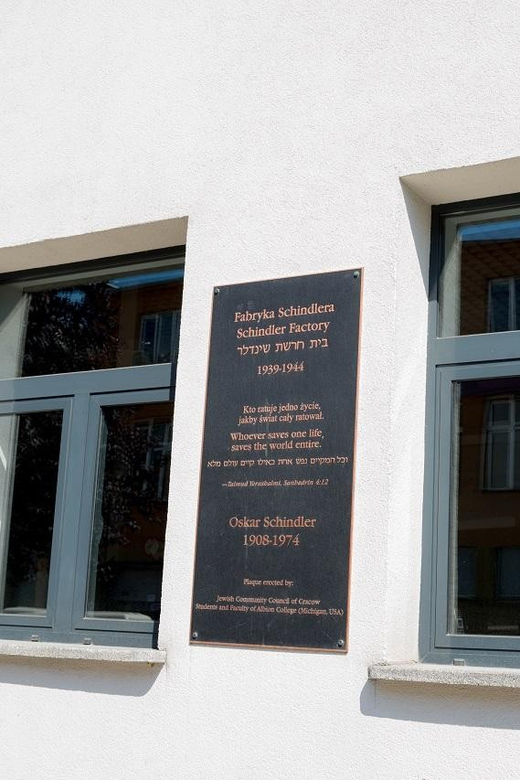
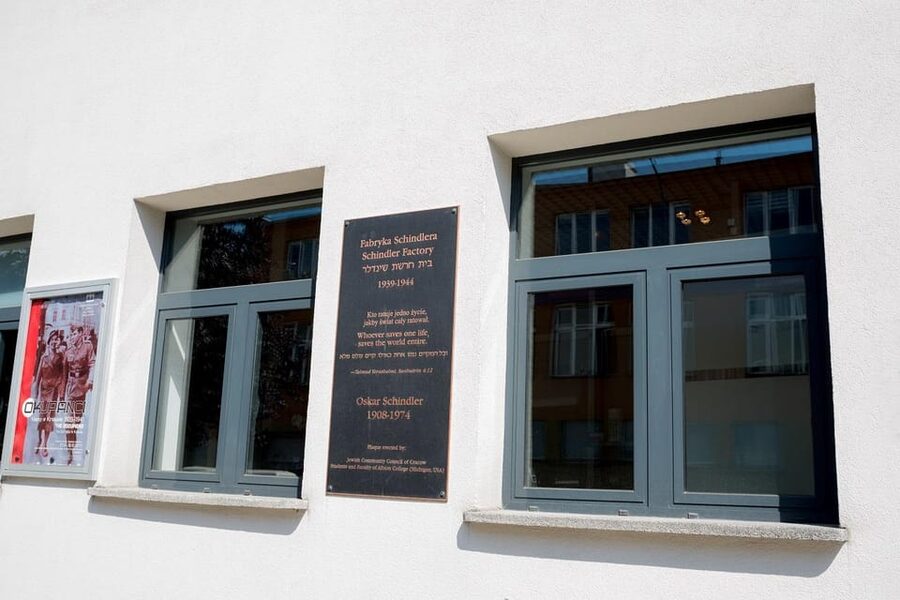
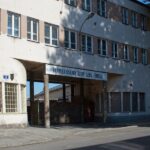
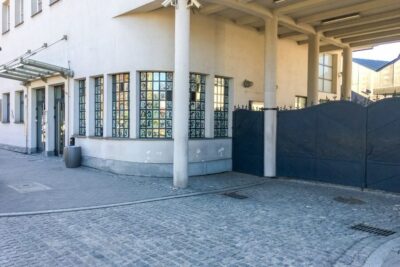
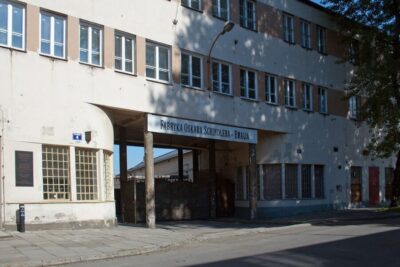
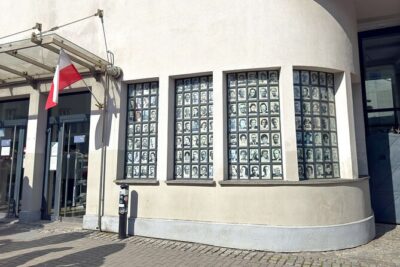
The tour starts at Schindler’s Factory Museum, in Oskar Schindler’s former enamel factory building. The big practical win here is skip-the-line admission, which matters because this museum is one of Kraków’s most popular. Less waiting means more time with the guide and the exhibits.
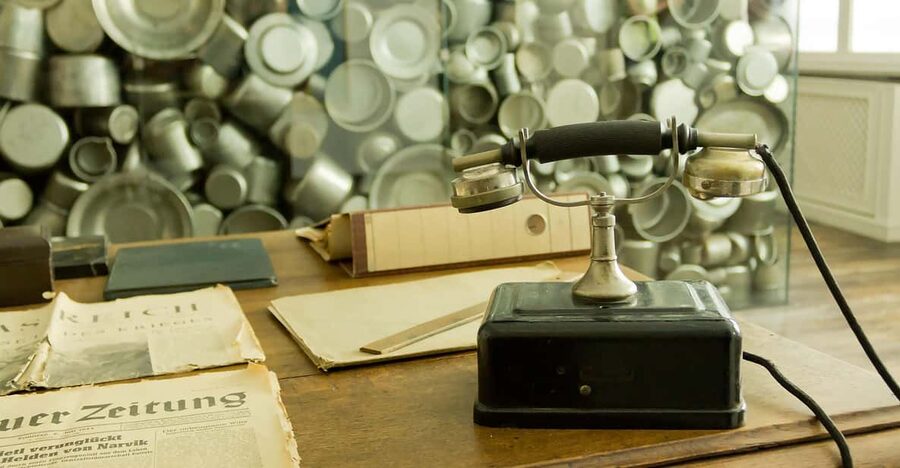
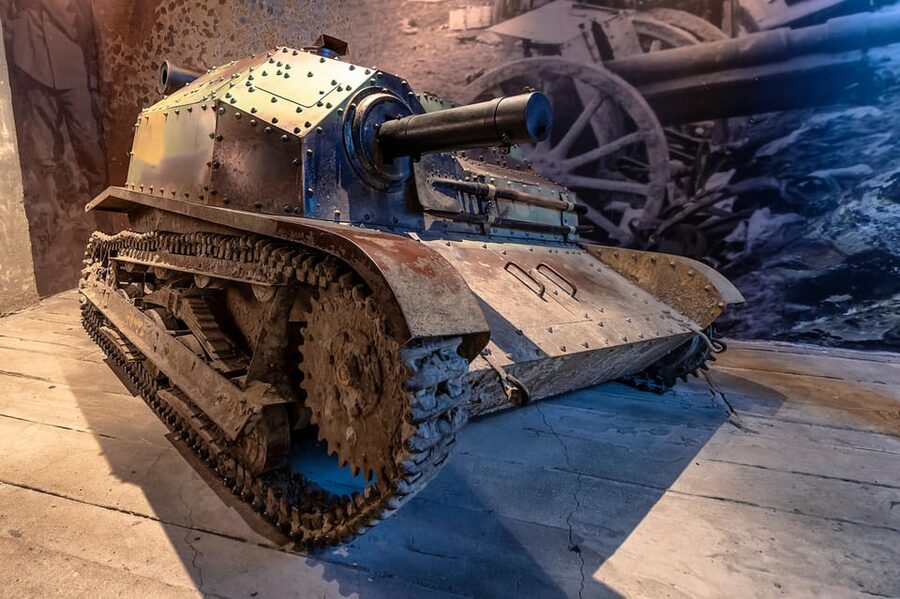
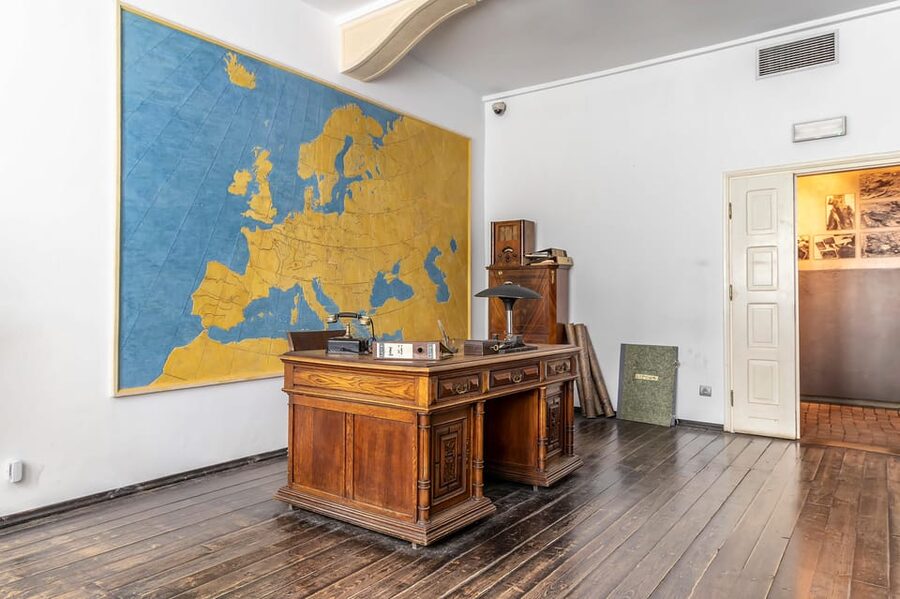
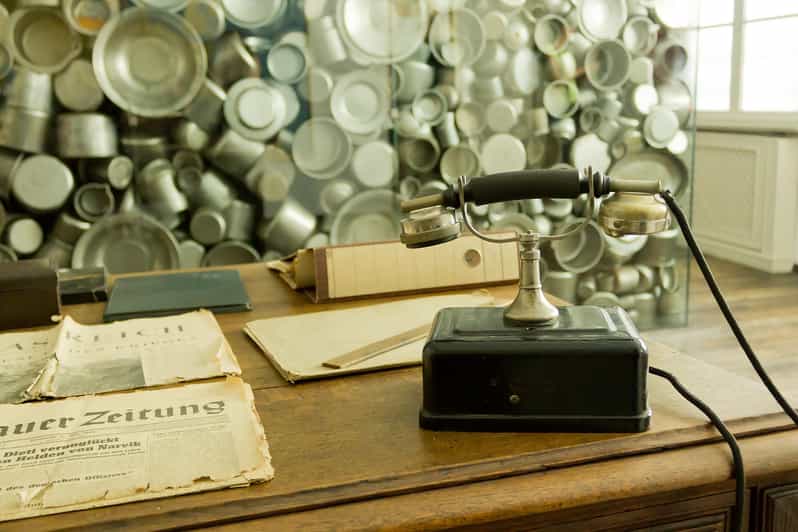
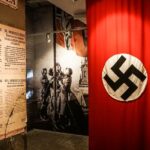
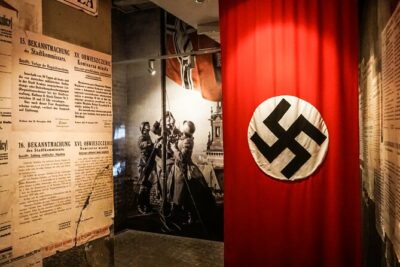
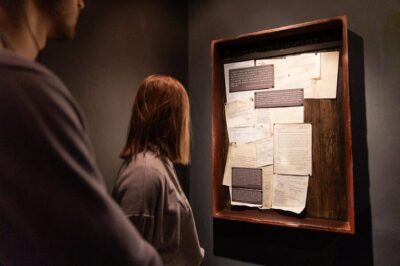
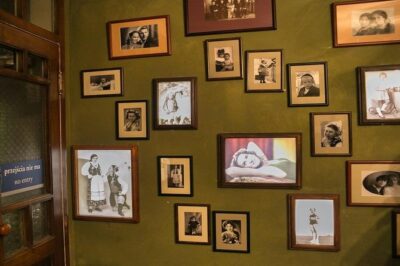
Inside, plan for a building that does not feel spacious. Corridors can be narrow. Lighting can be dim. The rooms are arranged to recreate the pressure and fear of the occupation years, so the experience hits differently than a typical exhibit. You’re not just reading panels and moving on—you’re walking through a staged environment with artifacts, photographs, and reconstructions that help you understand what life was like under Nazi rule.
Also, a quick expectation check: the factory building is historically important, but you shouldn’t expect working machinery from the original site. What you get is the museum telling the story through the exhibition design and historical materials.
What you learn about Nazi occupation and Schindler’s workers
The main exhibition is titled Kraków under Nazi Occupation 1939–1945. This is the part I like most about the tour format: it doesn’t only follow Oskar Schindler as a headline character. Instead, it uses Schindler’s story as a thread inside the larger reality of Nazi occupation—how the war changed Kraków and how Jewish and non-Jewish residents experienced daily life under escalating persecution.
You’ll learn how Schindler’s factory provided refuge to more than a thousand Jewish workers. And you’ll also see that this story is tightly connected to larger events—persecution, deportations, and the destruction of Kraków’s Jewish community. The tour is careful about scale: it doesn’t let you forget the difference between one person’s choices and the system they were facing.
One nuance to keep in mind: the balance between Schindler-focused details and the broader occupation story can feel slightly weighted toward the wider context. If you’re expecting a museum that is only about Schindler and his factory operations, you might feel like that slice is smaller than you hoped. Still, the wider framework makes the factory’s impact easier to understand.
The ghetto walk begins: walls, confinement, and the first hard facts
After the museum visit, you shift from enclosed rooms to the streets. The first walk stop is at the remains of the Ghetto Walls. This is where the tour gets more literal. You see what used to separate residents from the rest of the city—and it’s hard not to feel how limiting that kind of barrier is when you stand near what’s left.
Your guide connects this physical confinement to the timeline of the ghetto and the escalating Nazi control. It’s not just a photo-stop. You’re walking through the geography of confinement, and the guide’s job is to make it make sense in human terms.
More of Krakow under the wartime occupation
- Krakow: Schindler’s Factory Ticket and Guided Tour Option★ 4.3 · 4,306 reviews
- Krakow: Schindler’s Factory Tour with Entrance Ticket★ 4.5 · 3,182 reviews
- Krakow: Schindler’s Factory Skip-the-Line Ticket★ 4.4 · 3,105 reviews
- Krakow: Schindler’s Factory Tour with Entrance Ticket★ 4.6 · 1,737 reviews
Ghetto Heroes Square and the Chair Memorial’s quiet weight
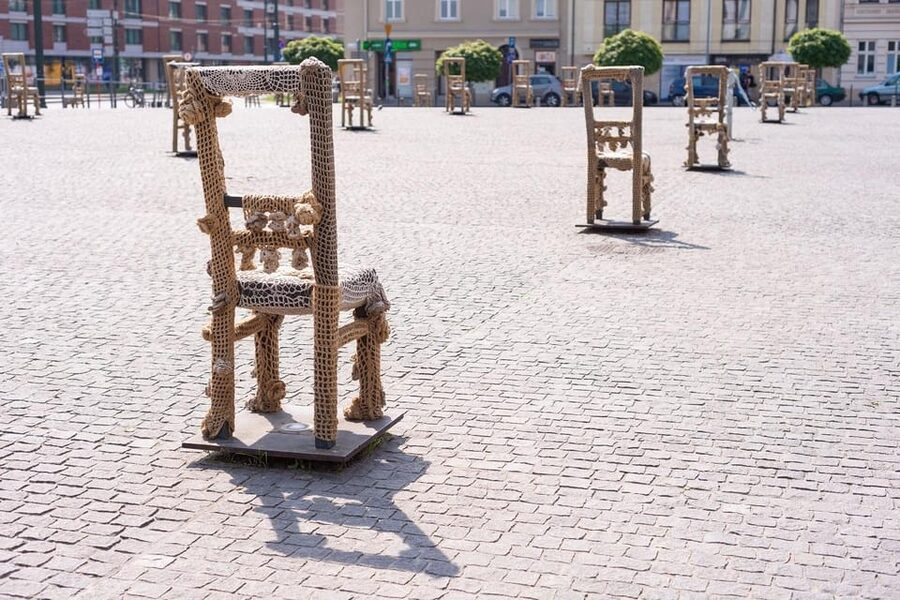
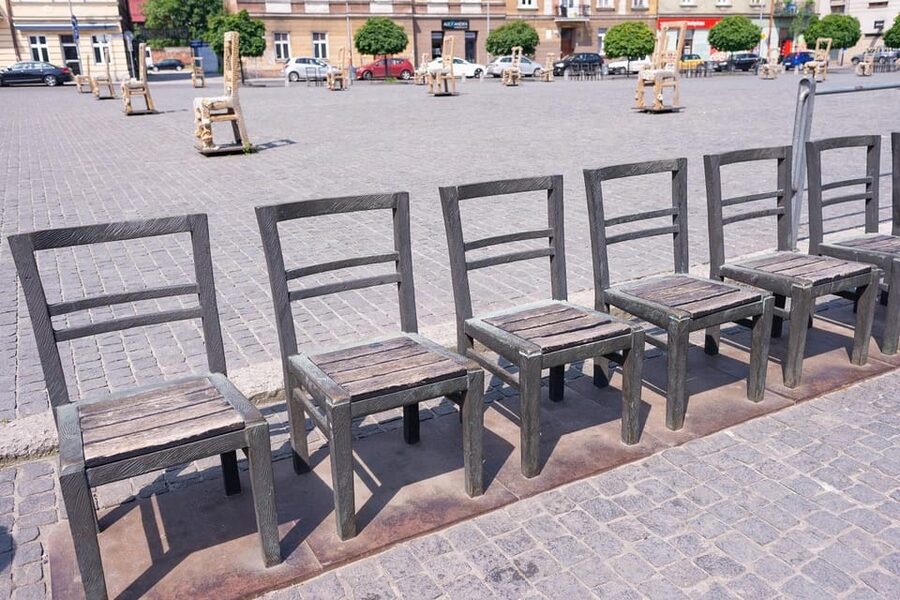
Next comes Ghetto Heroes Square, which the tour treats as a focal point of the ghetto’s history. This is tied to the deportations to extermination camps. The square today is marked by the Chair Memorial, with each chair representing a life lost.
What works here is how the guide helps you read the memorial instead of just looking at it. You’re not learning history as a list of dates. You’re absorbing it through a symbol meant to keep individual lives in view—even when the system was built to erase them.
And because it’s a square, you also get something practical: you can pause, reset, and take in what you’ve learned so far. After the museum’s dim corridors, open space gives your brain a second to process.
Under the Eagle Pharmacy: medicine, rescue, and Tadeusz Pankiewicz
The final walking stop is Under the Eagle Pharmacy. This is where you get a story of help that’s specific, local, and grounded in action.
The guide explains the role of Tadeusz Pankiewicz and his staff, who aided ghetto residents and preserved medicine and hope. It’s a different flavor of history than the parts focused on barriers and deportations. Here, the emphasis is on courage that happened in ordinary work—people doing their jobs in the middle of something designed to break people.
Even if you already know the general concept of wartime rescue stories, this stop tends to hit because it links that idea to a real place in Kraków and to a concrete kind of support: access to medicine.
Timing and logistics for a tight 3-hour experience
This tour runs about 3 hours and packs two major components into that window: the Schindler’s Factory museum visit plus a walking tour through the ghetto area.
To keep it smooth, arrive 10 minutes early. Once the group leaves, latecomers can’t join, and tickets can’t be refunded. That rule sounds strict, but it’s also practical—tight schedules inside the museum and walking segments don’t leave much slack.
Weather is another reality check. The tour goes ahead in all weather, so wear shoes you can walk in comfortably. Since part of your time is spent in narrow corridors, having clothing that lets you move without constantly adjusting layers is a small but real comfort advantage.
Group size can also affect your experience inside the museum. Because it’s narrow, if you end up in the back or to the side, you may catch less of what the guide is explaining. I’d treat the early minutes as your chance to get into a good position.
Price and value: why $58 can make sense here
At $58 per person, you’re paying for more than entry tickets. The tour includes:
- a licensed expert guide
- skip-the-line admission to Schindler’s Factory
- a guided walking tour of the ghetto sites
That combo matters for value. Schindler’s Factory is popular, and skipping the ticket line can save time you’d otherwise spend standing still. The guide’s role also isn’t optional here—these sites are emotionally heavy and historically dense. A good guide helps you connect the dots without turning the experience into a memorization contest.
You do need to plan for what’s not included: food and drinks. If you tend to get hungry or thirsty fast, grab a snack and water before you meet. Not because you’ll be dining during the tour—you just don’t want the experience cut short by bodily needs.
Who should book this tour in Kraków?
This is a smart choice if you want:
- one guide-led package that connects Schindler’s Factory to ghetto landmarks
- context that includes both Jewish and non-Jewish experiences during the occupation
- a walking tour that reaches major symbolic sites like Ghetto Heroes Square and the Chair Memorial
It’s also a good fit if you like guides who explain clearly and stick closely to the historical thread. Some guides on this route are known for being friendly and unusually strong on history and politics, with explanations that feel organized rather than random.
One more thought: because the material involves persecution and deportations, it’s not a “happy sightseeing” tour. If you want light entertainment in the afternoon, pick something else. If you want meaning, clarity, and a respectful pace through difficult history, this delivers.
Should you book the Kraków: Schindler’s Factory & Jewish Ghetto Guided Tour?
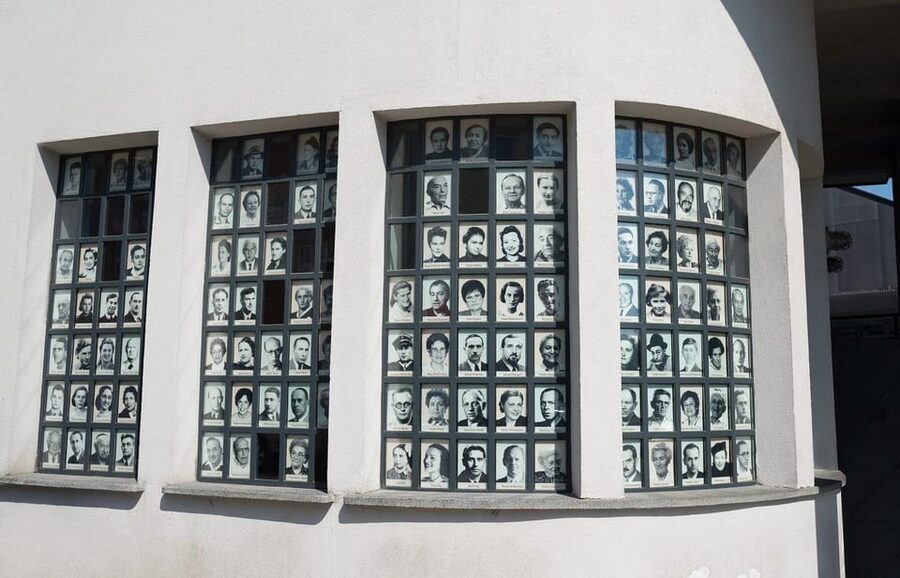
I’d book it if you’re short on time and you want the most important Kraków wartime story beats handled by a guide. The skip-the-line advantage at Schindler’s Factory, plus the guided ghetto walk to Walls remnants, Ghetto Heroes Square, and Under the Eagle Pharmacy, makes it efficient.
I’d think twice if you know you dislike tight indoor spaces or you’re very dependent on a clear view of explanations—because the museum corridors are narrow and lighting is dim. In that case, go early in the group, stay flexible with where you stand, and focus on the bigger picture.
If you’re deciding between self-guided museum time and a guided pairing, this is the one that helps you connect the museum’s themes to the streets. And in Kraków, that connection is the point.
FAQ
How long is the tour?
The tour lasts about 3 hours.
Where do I meet the guide?
Meet the guide in front of the main entrance to Schindler’s Factory Museum, with the excursions.city sign.
Is admission to Schindler’s Factory included?
Yes. The tour includes skip-the-line admission to Schindler’s Factory.
What does the tour include besides the museum?
It also includes a walking tour of Kraków’s wartime Jewish Ghetto.
What languages is the tour offered in?
The tour is offered in French, Italian, German, English, and Spanish.
What if I’m late?
You should arrive 10 minutes early. Once the group departs, latecomers can’t join, and tickets can’t be refunded.
Does the tour run in bad weather?
Yes, it goes ahead in all weather, rain or shine. You should check the forecast and wear suitable footwear.
More Tour Reviews in Krakow

Krakow in Wartime: More Reviews

More of Jewish Kazimierz

Just added: fresh Krakow reviews
Schindler's Factory & WWII Tours, compared.
 ★ 4.3Schindler’s Factory Ticket and Guided Tour OptionFrom $254,306 reviews
 ★ 4.5Schindler’s Factory Tour with Entrance TicketFrom $493,182 reviews
 ★ 4.4Schindler’s Factory Skip-the-Line TicketFrom $253,105 reviews
★ 4.6Schindler’s Factory Tour with Entrance TicketFrom $401,737 reviews
★ 4.4Schindler’s Factory Skip-the-Line TicketFrom $253,105 reviews
★ 4.6Schindler’s Factory Tour with Entrance TicketFrom $401,737 reviews
 ★ 4.5Schindler’s Factory in Krakow: Guided Tour & Skip the Line TicketFrom $351,714 reviews
 ★ 4.7Schindler’s Factory & Ghetto Guided TourFrom $571,694 reviews
 ★ 4.3Schindler’s Factory Ticket with Guided Tour OptionFrom $421,485 reviews
 ★ 4.0Krakow Schindler’s Factory Guided Tour with Admission TicketFrom $351,156 reviews
Browse the lists this tour appears in