
Schindler’s Factory hits hard, in the best way. This small-group tour pairs the Schindler’s Factory museum with a guided walk through the Jewish Ghetto, so you get the human story behind the headlines. I especially love the licensed, passionate guides who keep the history grounded in real people, and I also like how smoothly the whole visit runs. The main drawback: the subject matter is heavy, and the information load can feel like a lot if you prefer a slower, lighter pace.
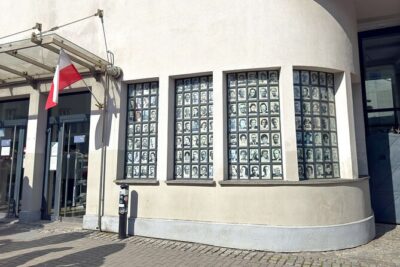
One more thing I like: you’re not left to figure it out on your own. The meeting point is outside the museum, next to the black-and-white photos of the survivors, which makes it easier to start the tour without stress. Guides like Michał (sometimes written Michal/Michael in bookings) also manage questions well, so you actually get clarity instead of just facts scrolling by.
It’s built for a 3-hour window and includes your entry ticket plus a live English guide. Since it’s wheelchair accessible, it’s also a good option for mixed groups, not just perfectly mobile visitors.
In This Review
- Key Things I’d Watch For
- Meeting at Schindler’s Factory: Start Easy, Not Confused
- Inside the Enamel Factory: How the Museum Story Works
- The Schindler Story: From War Profiteer to a Life-Saving Choice
- The Jewish Ghetto Walk: Making the Street-Level Connections
- Small-Group Format: Why It Feels Different Here
- Price and Value: What $47 Buys You in Real Terms
- What’s Included, What to Plan for, and What to Bring
- Using Your Museum Time Wisely: Pharmacy and Other Ticket Options
- Who This Tour Fits Best
- The One Possible Drawback: Pace vs. Emotional Weight
- Should You Book This Schindler’s Factory and Ghetto Tour?
- FAQ
- Is this a small-group tour?
- How long is the tour?
- What’s included in the price?
- Does the tour skip the ticket line?
- Where do we meet?
- What language is the guide?
- Is it wheelchair accessible?
- Do I need a passport or ID?
- Are food and drinks included?
Key Things I’d Watch For
- Small-group pacing that feels more like a guided lesson than a crowd control exercise
- Live English guidance from licensed specialists who can answer real questions
- Skip-the-ticket-line entry so you spend time learning, not waiting
- Factory + ghetto in one stretch, which helps the story make more sense
- A strong emotional focus with personal documents and survivor-linked context
- Museum ticket that may cover extra sites, worth planning if you have energy afterward
Deeper into Kazimierz and its Jewish heritage
- Krakow: Schindler’s Factory & Ghetto Guided Tour
★ 4.7 · 1,694 reviews - Krakow: Jewish Quarter and Former Ghetto Tour
★ 4.9 · 1,441 reviews - Krakow: Bike Tour of Old Town, Jewish Quarter and the Ghetto
★ 4.9 · 1,155 reviews
Meeting at Schindler’s Factory: Start Easy, Not Confused
Kraków can move fast in your head when you’re trying to line up the big places. This tour removes a common headache by using a clear meeting spot: outside the museum, next to the black-and-white photos of the survivors. That’s not just a helpful landmark—it also sets the tone right away. You know you’re walking into a place that matters.
The small-group format matters here. With fewer people, the guide can actually guide. You’re more likely to catch important instructions about timing and how the visit flows. And if you have accessibility needs or simply need a moment to regroup, it’s easier when the group isn’t huge.
Tip: wear shoes you can stand in. The museum part includes guided time inside exhibition rooms, and the ghetto portion is a walk. Even if the pace is controlled, this isn’t a sit-at-a-café tour.
Inside the Enamel Factory: How the Museum Story Works
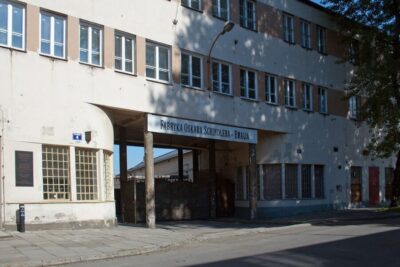
The heart of the experience is a guided visit through Schindler’s enamel factory—framed as the real site, not just a themed backdrop. You get about 1.5 hours in the museum exhibition, which is long enough to build context without dragging on.
What makes the guided experience click is what’s on display and how it’s explained:
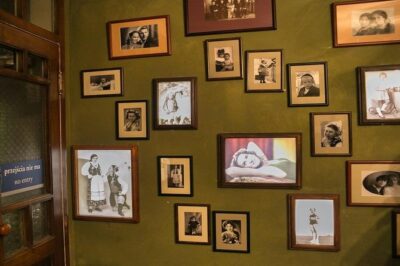
- authentic photographs
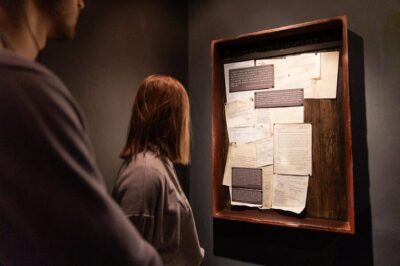
- documents and wartime records
- personal stories tied to Kraków’s Jewish community
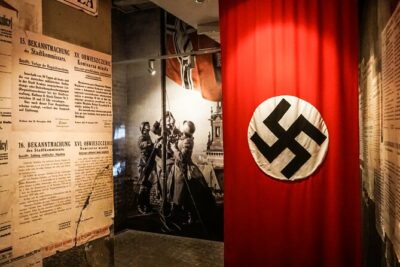
- film footage that gives the occupation period real weight
A museum like this can feel like a set of panels if you go alone. With a guide, you connect the dots. The guide helps you understand what you’re looking at and why it was shown in the way it was. That matters because the Holocaust story isn’t just one plot point—it’s systems, choices, timing, and survival.
In practical terms, this museum is designed for serious learning, but you still need a way to keep it manageable. A good guide slows you down at the key exhibits. The goal isn’t to rush through everything; it’s to see the most important elements clearly, and to understand the story behind them.
The Schindler Story: From War Profiteer to a Life-Saving Choice
Oskar Schindler is the centerpiece here, and the tour makes his transformation the axis of the message. I like that the guide doesn’t treat it like a simple hero narrative. Instead, you’re shown the contrast: a German industrialist tied to war business who later uses his position to save over 1,000 Jews.
This shift is exactly why people often leave feeling changed. The Schindler story asks a difficult but necessary question: what does it take for a person to act when the world around them is collapsing? The museum helps you place Schindler’s choices inside the conditions of Nazi-occupied Kraków, rather than treating the story like it happened in a vacuum.
I also appreciate that the guide brings emotion carefully into the room. It’s not melodrama. It’s tied to documents and personal testimony, so the feeling has a source. That’s a big difference between information and understanding.
More of Krakow under the wartime occupation
- Krakow: Schindler’s Factory Ticket and Guided Tour Option★ 4.3 · 4,306 reviews
- Krakow: Schindler’s Factory Tour with Entrance Ticket★ 4.5 · 3,182 reviews
- Krakow: Schindler’s Factory Skip-the-Line Ticket★ 4.4 · 3,105 reviews
- Krakow: Schindler’s Factory Tour with Entrance Ticket★ 4.6 · 1,737 reviews
The Jewish Ghetto Walk: Making the Street-Level Connections
After the museum, the tour moves to a walking experience focused on the Jewish Ghetto. I like this pairing because it fixes a common problem: seeing a Holocaust-related site inside a museum can teach you facts, but it doesn’t always give your brain a map of where daily life occurred.
Even without listing every stop (since the guide’s route can vary with the group), the point is consistent: you’re shown how the Jewish community lived, what changed under occupation, and how the ghetto reality shaped everyday movement and safety.
A guided walk also helps because the guide can explain what you’re seeing outside. You’re not just looking at buildings and streets—you’re learning what those spaces meant at the time. That’s where a small-group setting helps most. You’re able to hear, ask, and adjust without feeling like you’re constantly chasing the group.
If you’re the type of traveler who likes context (and not just photos), you’ll probably find this part hits harder than you expect—in a grounded, human way.
Small-Group Format: Why It Feels Different Here
This is marketed as small group for a reason. Places like Schindler’s Factory don’t work well when they’re treated like a fast checklist. The emotional material demands attention, and the history demands questions.
In practice, guides like Michał bring a steady, “ask me anything” approach. People generally want to know things like:
- how the exhibits relate to Kraków’s specific Jewish community
- what Schindler’s actions meant in the broader occupation system
- how certain documents fit together
With a larger crowd, you often get one answer that tries to cover everyone. With fewer people, the guide can tailor responses and keep the group moving at the right speed.
That’s also why the organization matters. Clear meeting instructions, smooth timing, and respectful handling of the group create the kind of comfort you need when the content is intense. It’s not just sightseeing—it’s a guided encounter.
Price and Value: What $47 Buys You in Real Terms
At $47 per person for 3 hours, this is one of those prices that looks reasonable only after you understand what’s included.
You’re paying for:
- an entry ticket
- a live English guide
- skip-the-ticket-line access
- guided context that connects museum exhibits to the ghetto story
If you’ve ever tried to do this kind of historical pairing on your own, you know the missing ingredient isn’t access—it’s interpretation. A ticket gives you objects and labels. A strong guide helps you understand what the objects mean, and why the story is structured the way it is.
So yes, it costs money. But the value isn’t just the museum entry. It’s the time you gain and the confusion you avoid.
Also, small-group tours tend to reduce “watching other people’s timing” stress. For many visitors, that’s worth real money by itself.
What’s Included, What to Plan for, and What to Bring
The basics are straightforward:
- Included: entry ticket and live guide
- Not included: food and drinks
- Duration: 3 hours
- Language: English
- Wheelchair accessible
The “not included” part is practical. If you’re doing this day with other sights, plan a snack or a simple water stop before or after. Don’t wait until you’re thirsty and emotionally drained—you’ll lose focus.
Bring:
- your passport or ID card
- and if traveling with kids, their passport or ID too
Important detail that can trip people up: the names of participants must match the names in the IDs. The tour also states that all participants need to carry a photo ID or passport. I’d treat this like an entry requirement, not a suggestion.
Using Your Museum Time Wisely: Pharmacy and Other Ticket Options
One of the smartest tricks with this tour is how you can use the museum ticket beyond the guided factory time. The tour experience centers on the enamel factory and the ghetto walk, but your ticket may give you access to extra areas tied to the broader historic complex.
In particular, the Pharmacy in the Ghetto is a small interactive stop that’s worth your attention if you have the energy. The idea here is simple: it adds another lens on daily life, not just the major events.
Also, there’s mention that tickets can be valid for more days for other connected sites such as the former Gestapo headquarters. I didn’t treat this as part of the guided segment, because your timing depends on the day and pacing—but it can be a good plan if you want a second look without rushing.
Tip: if you’re short on time, go for the guided parts first. Then use any extra ticket coverage for one additional stop you truly care about.
Who This Tour Fits Best
This tour is a strong fit if you:
- want context and clear explanations, not just exhibit labels
- like history stories tied to specific places and real documents
- prefer a small-group experience where you can ask questions
- are visiting Kraków and want the most important Holocaust-linked sites in a single guided session
It can also fit students, first-time visitors, and anyone who wants a more emotionally intelligent approach than self-guided scrolling.
If you’re someone who dislikes heavy subject matter or gets overwhelmed quickly, go in with a plan: take breaks where you can, and give yourself permission to step back for a minute inside the museum.
The One Possible Drawback: Pace vs. Emotional Weight
The tour is designed to cover a lot in 3 hours, and the content is not light. Even with a careful guide, the museum materials and the ghetto walk carry real emotional weight. If you’re used to relaxed sightseeing with plenty of free time, you might wish for more breathing room between key scenes.
Still, this isn’t a “speed-run” style experience. The better guides slow down at the points that matter most, and they handle questions in a way that keeps the group learning instead of losing the thread.
Should You Book This Schindler’s Factory and Ghetto Tour?
I’d book it if you want the best chance of understanding what you’re seeing. The combination of the original factory museum with a guided ghetto walk is the kind of pairing that makes the history feel coherent instead of scattered.
Skip it only if you strongly prefer self-guided visits, or if you know you want a very light pace and don’t handle heavy material well. Even then, consider asking for your guide’s approach ahead of time if that option exists, because the difference between a rushed guide and a careful guide is enormous here.
For most visitors, though, this is a high-value way to see Kraków’s hardest story with the context and respect it deserves.
FAQ
Is this a small-group tour?
Yes. It’s described as a small-group experience, which helps keep the visit personal and comfortable.
How long is the tour?
The duration is 3 hours.
What’s included in the price?
The price includes an entry ticket and a live tour guide.
Does the tour skip the ticket line?
Yes, it’s listed as skip the ticket line.
Where do we meet?
You meet outside the museum, next to the black-and-white photos of the survivors.
What language is the guide?
The live tour guide is English.
Is it wheelchair accessible?
Yes, the activity is wheelchair accessible.
Do I need a passport or ID?
Yes. You should bring a passport or ID card. The information also notes that children need their own passport or ID, and participant names must match the IDs.
Are food and drinks included?
No. Food and drinks are not included.
More Tour Reviews in Krakow


Krakow in Wartime: More Reviews



More of Jewish Kazimierz




Just added: fresh Krakow reviews

Schindler's Factory & WWII Tours, compared.
 ★ 4.3Schindler’s Factory Ticket and Guided Tour OptionFrom $254,306 reviews
 ★ 4.5Schindler’s Factory Tour with Entrance TicketFrom $493,182 reviews
 ★ 4.4Schindler’s Factory Skip-the-Line TicketFrom $253,105 reviews
★ 4.6Schindler’s Factory Tour with Entrance TicketFrom $401,737 reviews
★ 4.4Schindler’s Factory Skip-the-Line TicketFrom $253,105 reviews
★ 4.6Schindler’s Factory Tour with Entrance TicketFrom $401,737 reviews
 ★ 4.5Schindler’s Factory in Krakow: Guided Tour & Skip the Line TicketFrom $351,714 reviews
 ★ 4.7Schindler’s Factory & Ghetto Guided TourFrom $571,694 reviews
 ★ 4.3Schindler’s Factory Ticket with Guided Tour OptionFrom $421,485 reviews
 ★ 4.0Krakow Schindler’s Factory Guided Tour with Admission TicketFrom $351,156 reviews
Browse the lists this tour appears in