
REVIEW · SCHINDLER'S FACTORY & WWII TOURS
Krakow: Schindler’s Factory, Jewish Ghetto & Salt Mine Tour
Three layers of Krakow history in seven hours. This packed tour links Schindler’s Factory at Oskar Schindler’s Enamel Factory Museum, a walk through Podgórze’s former ghetto streets, and a finish 340 meters down in Wieliczka Salt Mine.
I especially like the licensed museum guide approach for Schindler’s Factory—this isn’t just a quick look at artifacts, it’s built around the story of a German entrepreneur who helped many Jews during the war. I also like how the ghetto walk is anchored to real places you can still see, including the preserved wall section and the Empty Chair Monument in Heroes’ Square.
The main thing to watch is the schedule: Schindler’s Factory has strict late-entry rules. If you show up late, you might not get into the tour, and the day can be ruined fast.
In This Review
- Key things you’ll notice on this tour
- A tightly packed 7 hours through Krakow’s hardest stories
- Schindler’s Factory at Oskar Schindler’s Enamel Factory Museum
- Podgórze Jewish Ghetto walk: wall segments, Under the Eagle, and the Empty Chair
- Heroes’ Square and the meaning behind those 68 chairs
- Wieliczka Salt Mine: 340 meters down, 245 kilometers of tunnels
- St. Kinga’s Church and the salt-carved interior
- Price and what you actually get for $147
- How the day moves: what to expect at each phase
- Who this tour is best for (and who should rethink it)
- Should you book this Krakow combo tour?
- FAQ
- How long is the Krakow: Schindler’s Factory, Jewish Ghetto & Salt Mine Tour?
- Is the tour guided?
- What language is the tour in?
- How big is the group?
- Where do we meet?
- What’s included in the price?
- What is not included?
- Do I need to buy tickets in advance?
- Is there free cancellation?
- Does the tour end where it starts?
Key things you’ll notice on this tour
A small group (max 15) keeps the pace human, especially on the walking parts of Podgórze.
Schindler’s Factory is guided with a licensed museum guide, giving you context for what you’re seeing.
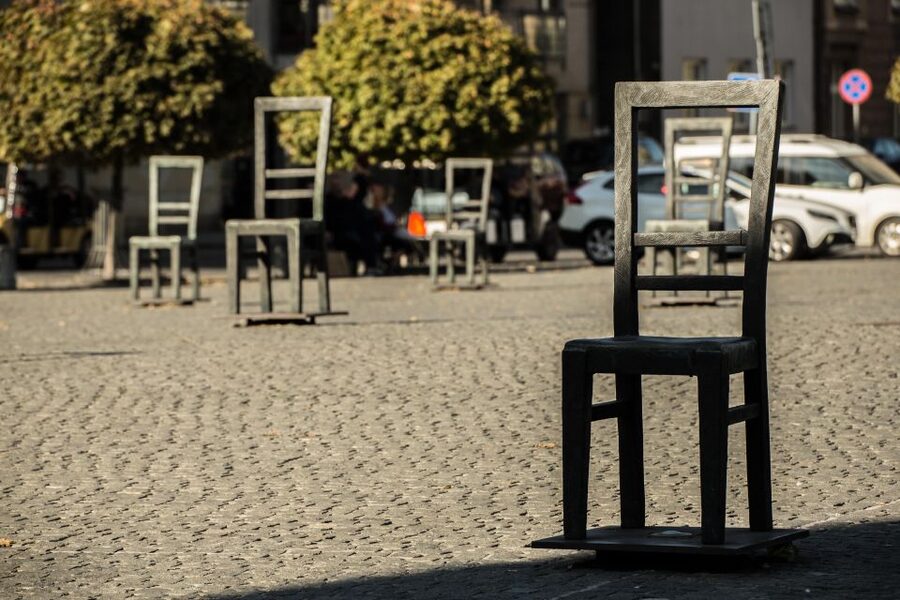
The ghetto walk points to specific surviving reminders, including Heroes’ Square’s Empty Chair Monument with 68 chairs and the pharmacy Under the Eagle.
Wieliczka Salt Mine includes a big route on your own, after getting oriented—more freedom than a pure guided-only museum visit.
The mine itinerary is substantial underground, with 20 halls and St. Kinga’s Church carved from salt.
More ways down into the Wieliczka salt mine
- Krakow: Wieliczka Salt Mine Skip-the-Line Live Guided Tour
★ 4.5 · 462 reviews - From Krakow: Wieliczka Salt Mine Guided Tour
★ 4.4 · 323 reviews - From Krakow: Wieliczka Salt Mine Half-Day Trip with Pickup
★ 4.5 · 140 reviews
A tightly packed 7 hours through Krakow’s hardest stories
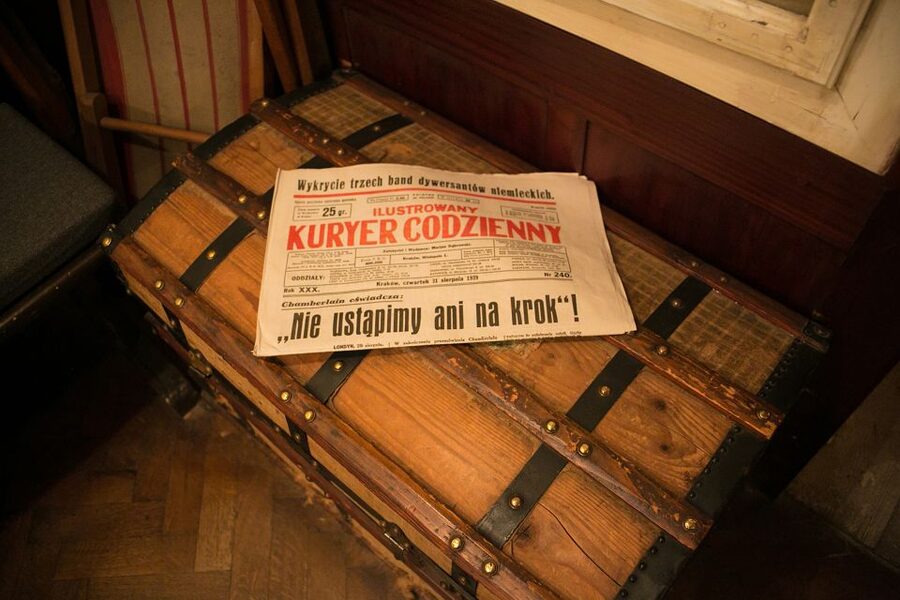
This is a full-day “big themes” tour: Holocaust-era history on the surface, then a centuries-old industrial wonder underground. You’ll start with Schindler’s Factory, move to the former Jewish Ghetto area in Podgórze, and then head to Wieliczka Salt Mine, about 10 kilometers from Krakow.
The value here is not that you see three attractions—it’s that the day is structured so you don’t just collect stamps. You get a guided narrative for the moments that need it most, then you move through key sites at a walking pace, and finally you get time to roam inside the mine route at your own speed.
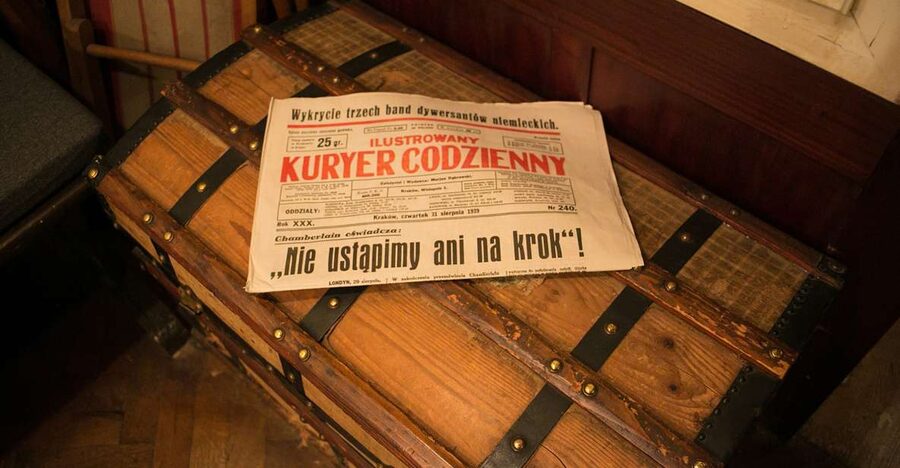
Schindler’s Factory at Oskar Schindler’s Enamel Factory Museum
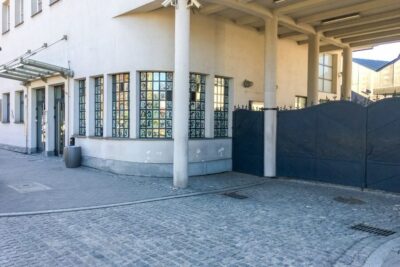
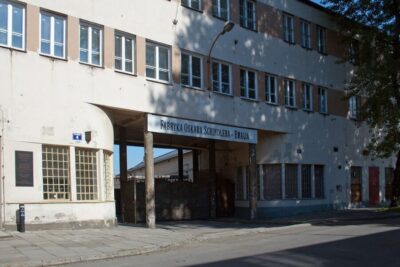
Schindler’s Factory takes the first—and often heaviest—chunk of your day. You meet in front of the museum entrance at Oskar Schindler’s Enamel Factory Museum, where your guide holds an excursions.city sign. From there, the group moves as one unit, and timing matters.
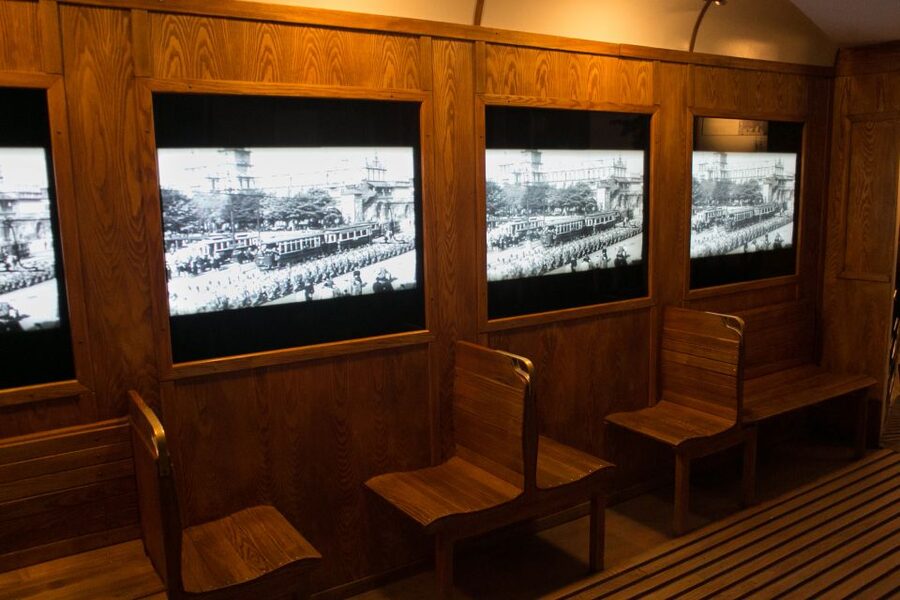
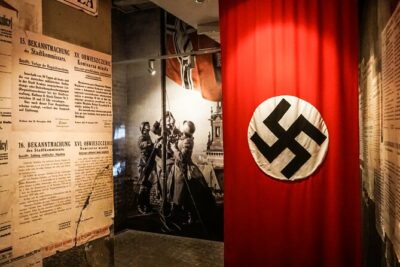
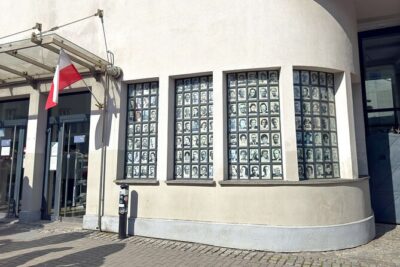
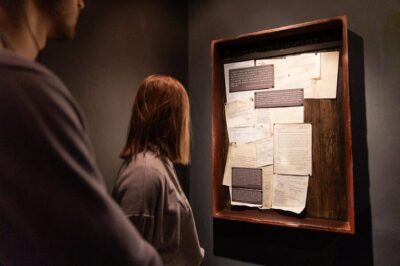
What makes this stop meaningful is the guided format. You’ll tour with a licensed museum guide, and the story centers on Oskar Schindler, a German entrepreneur featured in the film Schindler’s List. The museum setup helps you connect individual decisions to the larger machinery of persecution, so the exhibits don’t feel like disconnected displays.
Two practical notes help you get more out of it:
- Arrive early enough to settle in. This tour has a strictly defined schedule, and Schindler’s Factory does not accept late arrivals.
- Don’t treat it as a photo stop. Even if you like cameras, this is one of those places where your best “souvenir” is understanding the story.
Podgórze Jewish Ghetto walk: wall segments, Under the Eagle, and the Empty Chair
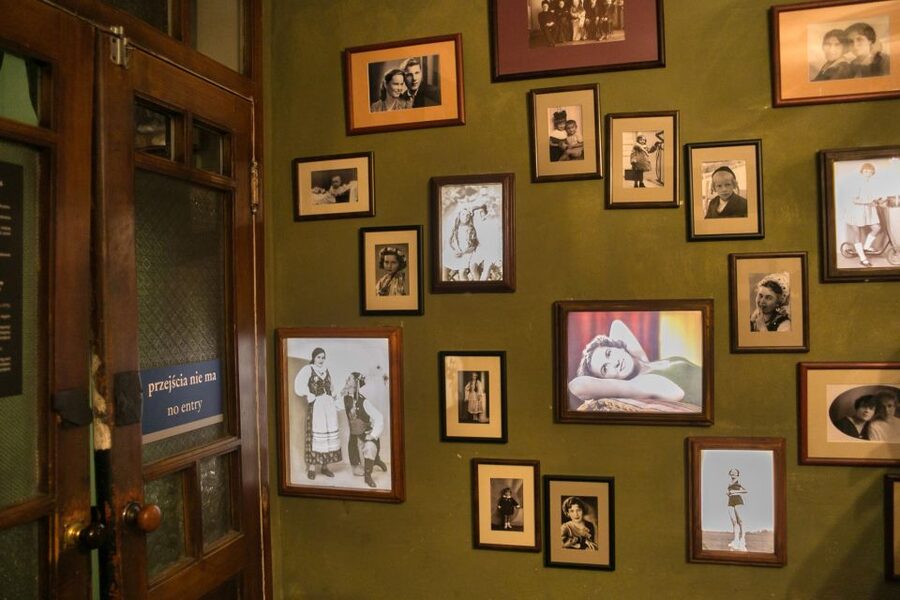
After Schindler’s Factory, the tour shifts into walking mode. You’ll stroll through Podgórze and see the physical evidence of what happened here during the Second World War. This part of the day works well because it anchors history to street-level details.
You’ll stop at places that make the scale of the ghetto real:
- A preserved (undestroyed) section of the wall around the ghetto, which helps you visualize how confined daily life was.
- Houses where thousands of displaced Jews lived, showing how crowded and restricted conditions were.
- The pharmacy called Under the Eagle, a specific landmark that adds a human, everyday texture to the setting.
- Heroes’ Square, where you’ll see the Empty Chair Monument—symbolized with 68 chairs, a quiet but powerful way to register loss.
This is also where the tour’s pacing pays off. A walking route is slower than bus-hopping, so you have time to read the signs, look at the remaining structure, and connect what the museum explained to what still sits in front of you.
The main “consideration” for this section is simple: you’re doing walking in a group schedule. Wear comfortable shoes, and keep your pace steady so the group doesn’t feel rushed.
Deeper into Kazimierz and its Jewish heritage
- Krakow: Schindler’s Factory, Jewish Ghetto & Salt Mine Tour★ 5.0 · 9 reviews
- Kraków: Jewish Quarter, Auschwitz, And Salt Mine 3-Day Tour★ 4.8 · 5 reviews
Heroes’ Square and the meaning behind those 68 chairs
Heroes’ Square can look like just another city plaza until you understand the monument’s logic. The tour points you to the Empty Chair Monument and its symbolic 68 chairs, which represent a loss you can’t really measure with numbers alone.
I like monuments like this because they don’t ask you to interpret everything yourself. They give you a structure to hold grief in your head while you’re still absorbing real-world surroundings: street, stone, and the everyday geometry of a neighborhood that once held forced confinement.
If you’re coming with questions—about how memorials work, what symbolism tries to do—this is the moment when your brain gets the chance to slow down.
Wieliczka Salt Mine: 340 meters down, 245 kilometers of tunnels
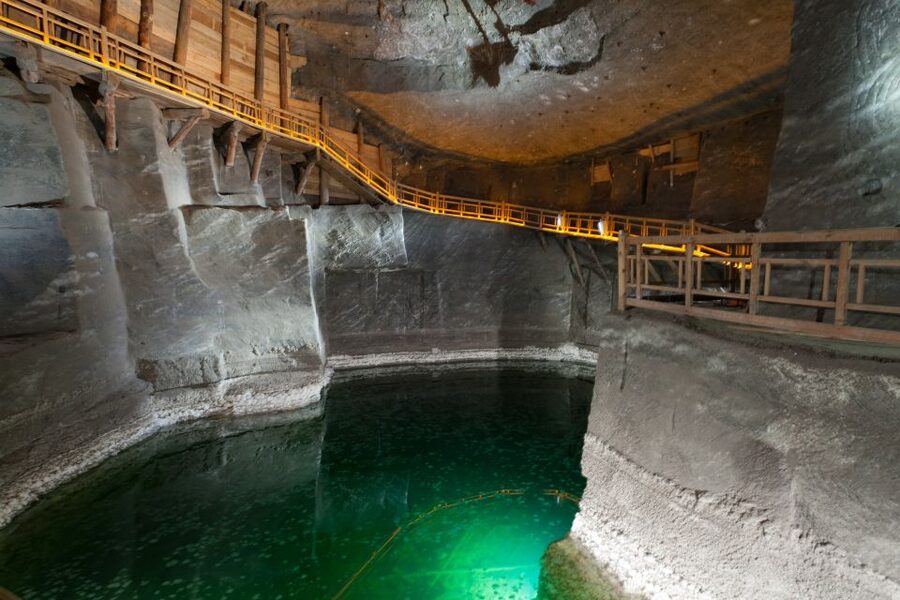
Now you flip gears. The tour’s second half takes you from Krakow to Wieliczka, about 10 kilometers away. You’ll visit one of the largest old salt mines in Europe, and you explore it at your own pace without a guide.
That “without a guide” piece matters. Some people love strict narration; others want space to stare at salt carvings, choose their own route pace, and stop when something grabs them. Either way, you still get the benefit of the mine being part of a scheduled day—so you’re not spending your evening figuring out transportation and logistics.
Here are the big physical facts you’ll hear and see:
- The mine is 700 years old.
- It reaches a depth of 340 meters.
- The total length of corridors and tunnels is over 245 kilometers.
- Your route inside is more than 3 kilometers, across 20 halls.
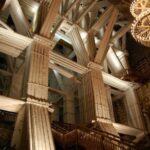
You’ll descend into a world that feels both industrial and sacred. That mix is exactly what makes Wieliczka memorable: it’s not a single “tourist tunnel,” it’s a whole underground environment.
St. Kinga’s Church and the salt-carved interior
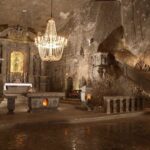
The standout highlight underground is St. Kinga’s Church, named for the patroness of miners. You’ll find it along your more-than-3-kilometer route, among 20 halls, with the church as the headline moment.
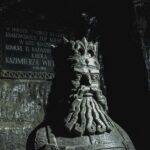
What you’re looking at is genuinely unusual: a church interior richly decorated, including chandeliers and sculptures of saints carved out of salt. Even if you’re not religious, this stop works because it shows how people turned a difficult, mineral-based landscape into something resembling art, ceremony, and permanence.
One detail that helps you understand the mine beyond “cool visuals” is the setting itself. You’re experiencing the special curative microclimate inside the mine, and the tour explains the idea of a sanatorium located 135 meters below ground.
That doesn’t mean you should treat it like a medical appointment, but it does add meaning: the mine wasn’t only mined—it was also used as a place to support health through environmental conditions.
Price and what you actually get for $147
At $147 per person for a 7-hour day, you’re paying for three things that add up:
- Museum-grade guidance where it counts most (Schindler’s Factory with a licensed museum guide).
- Entry into both major attractions (Schindler’s Factory Museum and Wieliczka Salt Mine tickets).
- Transportation between Krakow and Wieliczka, so you’re not building your own day-travel puzzle.
When you compare this kind of all-in-one format to booking museum tickets plus separate transit plus additional guides, the price feels more reasonable than it first appears. Especially because the day has timing pressure: you’re not just seeing sites, you’re moving through them under a fixed schedule with a small group.
Two extra value notes:
- Skip-the-ticket-line is included, which matters when you’re dealing with timed entries and a strict day plan.
- The tour group is limited to 15 participants, which usually improves the experience—less waiting, less shuffling, and more control over how the walking portion feels.
Food and drinks are not included, so plan for a break you bring along or grab on your own depending on the day’s timing.
How the day moves: what to expect at each phase
Here’s the flow you should picture when you book this kind of tour.
Start at Schindler’s Factory (meeting point timing matters). Your guide meets you in front of Oskar Schindler’s Enamel Factory Museum with the excursions.city sign. From there, the group enters on schedule.
Then switch to the ghetto walk in Podgórze. You’ll move through the neighborhood’s key references: preserved wall areas, historic houses, the pharmacy Under the Eagle, and Heroes’ Square with the Empty Chair Monument.
Finish with Wieliczka Salt Mine in scheduled transit. You’ll ride out to the salt mine and explore the mine route yourself. You’ll be exposed to the scale of the mine through the hall count and distance, and you’ll see St. Kinga’s Church as the major milestone.
At the end, the activity returns you back to the meeting point, which is convenient if you’re planning evening plans in Krakow.
Who this tour is best for (and who should rethink it)
This is a great fit if you want a structured day that covers three big learning goals without having to plan transport and timing between them. It’s also ideal if you like small groups and you appreciate when the most sensitive topic—Schindler’s Factory—has proper licensed guidance.
It may not be your best choice if:
- You hate strict schedules. Late arrivals at Schindler’s Factory can mean you miss the entry.
- You’re not comfortable with walking for the ghetto portion and navigating the mine route (even though mine time is self-paced).
- You want lots of free time in Krakow between stops. This is a “get it done” day.
Should you book this Krakow combo tour?
I’d book it if you want one day that actually connects the dots: Schindler’s Factory for the story, the Podgórze streets and monuments for the geography of what happened, and Wieliczka Salt Mine for the underground contrast that still has real historical texture.
The decision comes down to schedule comfort. If you can arrive on time and keep your pace steady, this tour is strong value for $147 because it includes museum tickets, a licensed guide where needed, and transport between Krakow and Wieliczka. If punctuality is an issue, choose a slower plan that gives you more buffer—because Schindler’s Factory doesn’t play around with late entry.
FAQ
How long is the Krakow: Schindler’s Factory, Jewish Ghetto & Salt Mine Tour?
The tour lasts 7 hours.
Is the tour guided?
Yes. Schindler’s Factory is guided by a licensed museum guide in English, and the Wieliczka Salt Mine portion includes a museum guide as part of the experience.
What language is the tour in?
The tour is offered in English.
How big is the group?
The group is limited to 15 participants.
Where do we meet?
The meeting point is in front of the entrance to the Oskar Schindler’s Enamel Factory Museum. Your guide will be holding an excursions.city sign.
What’s included in the price?
Admission tickets to Schindler’s Factory Museum and Wieliczka Salt Mine are included, along with a Schindler’s Factory and Wieliczka Salt Mine museum guide and transportation between Krakow and Wieliczka.
What is not included?
Food and drinks are not included.
Do I need to buy tickets in advance?
You get admission tickets as part of the tour, and the tour includes skip-the-ticket-line.
Is there free cancellation?
Yes. You can cancel up to 24 hours in advance for a full refund.
Does the tour end where it starts?
Yes. The tour ends back at the meeting point.
Krakow in Wartime: More Reviews
More of Jewish Kazimierz
More of the Wieliczka Salt Mine

Just added: fresh Wieliczka reviews

Schindler's Factory & WWII Tours, compared.
 ★ 4.3Schindler’s Factory Ticket and Guided Tour OptionFrom $254,306 reviews
 ★ 4.5Schindler’s Factory Tour with Entrance TicketFrom $493,182 reviews
 ★ 4.4Schindler’s Factory Skip-the-Line TicketFrom $253,105 reviews
★ 4.6Schindler’s Factory Tour with Entrance TicketFrom $401,737 reviews
★ 4.4Schindler’s Factory Skip-the-Line TicketFrom $253,105 reviews
★ 4.6Schindler’s Factory Tour with Entrance TicketFrom $401,737 reviews
 ★ 4.5Schindler’s Factory in Krakow: Guided Tour & Skip the Line TicketFrom $351,714 reviews
 ★ 4.7Schindler’s Factory & Ghetto Guided TourFrom $571,694 reviews
 ★ 4.3Schindler’s Factory Ticket with Guided Tour OptionFrom $421,485 reviews
 ★ 4.0Krakow Schindler’s Factory Guided Tour with Admission TicketFrom $351,156 reviews
Browse the lists this tour appears in