
REVIEW · SCHINDLER'S FACTORY & WWII TOURS
Schindler’s Factory, Ghetto and Plaszow Camp Guided Tour
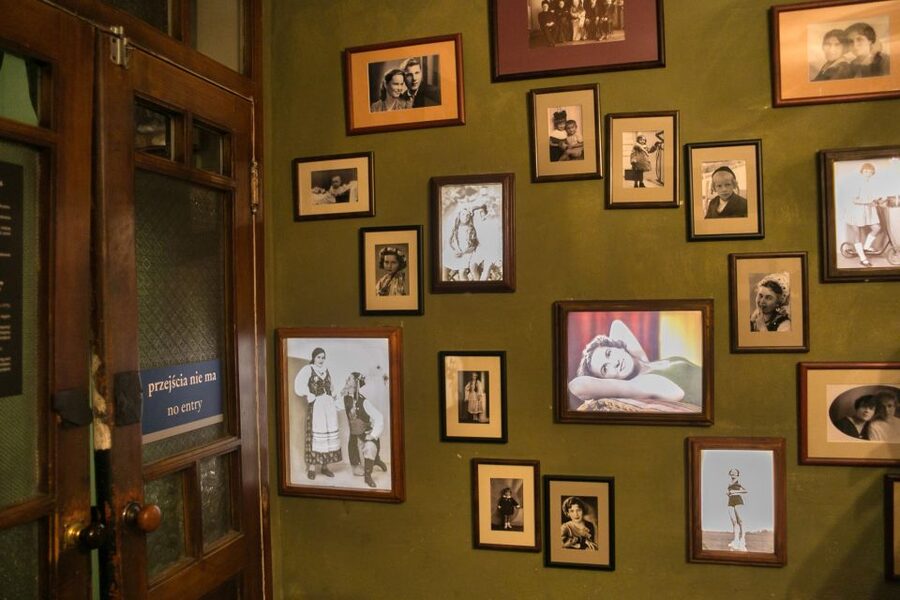
Krakow’s wartime story hits hard. This tour connects Schindler’s Factory with what’s left of the Kraków ghetto area and then carries you out to the former Płaszów concentration camp grounds. I like that it’s taught in a way that turns museum artifacts and street-level remains into something you can actually picture in your head.
Two things I really appreciate: the interactive exhibits at Schindler’s Factory, and the fact that you don’t just look—you’re guided through the meaning with a live English-speaking instructor. One consideration: this is a serious subject, and you’ll want to plan for walking in real weather with comfortable shoes.
In This Review
- Key highlights worth planning around
- Why Schindler’s Factory + Płaszów works as one story
- Meeting in Krakow: where to find your guide
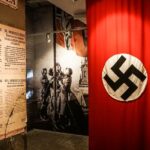
- Schindler’s Factory Museum: interactive exhibits and what to focus on
- Walking the ghetto area: wall remnants and street-level context
- Płaszów camp grounds: how the guide keeps it clear
- Timing and pacing: what 5 hours really means
- Price and value: what $75 includes (and what doesn’t)
- Practical tips for a smooth, respectful visit
- Who this tour suits best (and who might want a different fit)
- Should you book this tour?
- FAQ
- How long is the guided tour?
- What is the meeting point?
- Is the Schindler Factory ticket included?
- Does this tour include the tram or transport?
- What language is the tour guide?
- Is food and drink included?
- What should I bring?
- Where does the tour end?
- Is free cancellation available?
Key highlights worth planning around
- Skip-the-line entry to Schindler’s Factory included in your ticket
- Interactive museum time guided by a live English instructor
- Wall remnants from the ghetto area you can stop and study up close
- Street-level context as you walk past buildings where displaced Jewish people lived
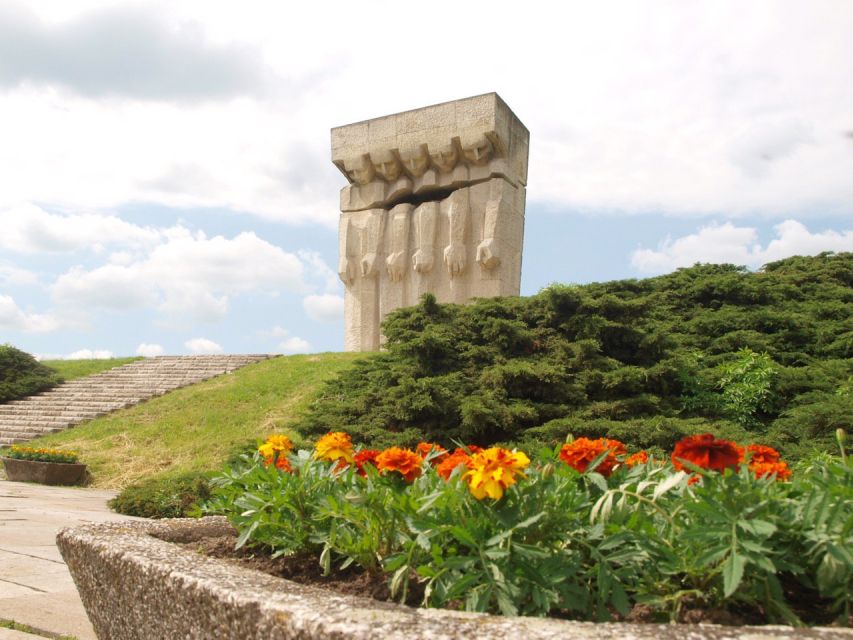
- Płaszów camp visit with clear explanations to help you make sense of what you’re seeing
Deeper into Kazimierz and its Jewish heritage
- Krakow: Schindler’s Factory & Ghetto Guided Tour
★ 4.7 · 1,694 reviews - Krakow: Jewish Quarter and Former Ghetto Tour
★ 4.9 · 1,441 reviews - Krakow: Bike Tour of Old Town, Jewish Quarter and the Ghetto
★ 4.9 · 1,155 reviews
Why Schindler’s Factory + Płaszów works as one story
This tour is built around a simple idea: wartime Krakow isn’t one scene—it’s a sequence. You start in Schindler’s Factory, where the museum format helps you understand everyday life under occupation. Then you shift to the nearby physical reminders around the ghetto area, and finally you move to Płaszów, where the setting changes from daily life to forced confinement.
I like this structure because it stops the experience from feeling like separate stops that you forget five minutes later. Instead, you get a guided thread—what people faced, how it shaped daily routines, and how the occupation system escalated. It’s also practical: in about 5 hours, you cover a lot of ground without needing to coordinate multiple tickets.
Meeting in Krakow: where to find your guide
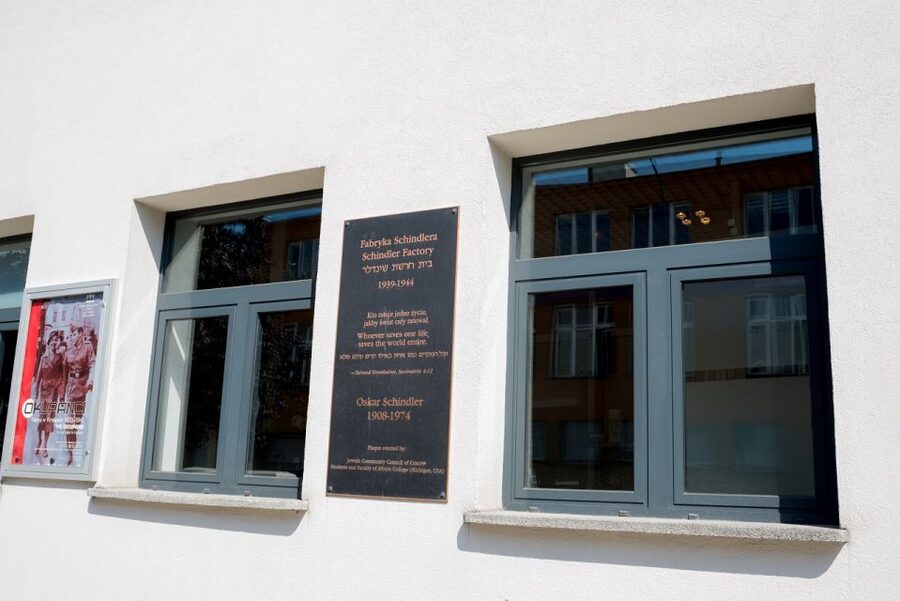
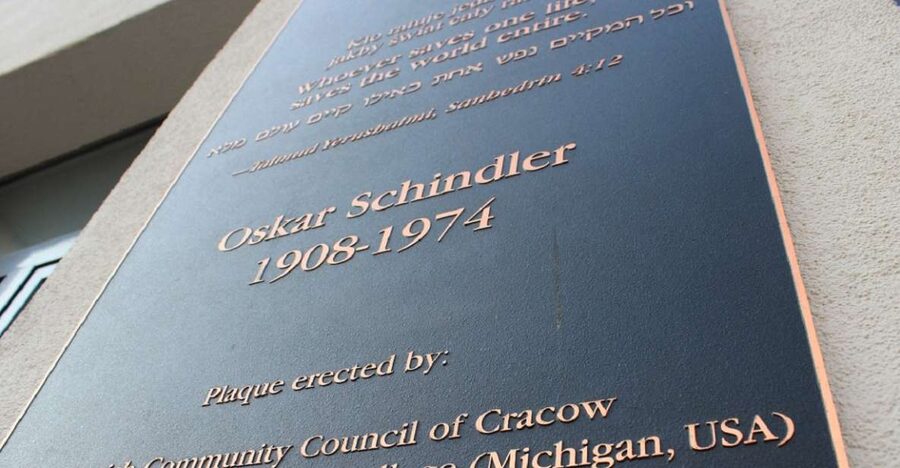
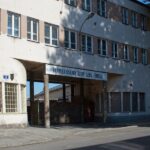
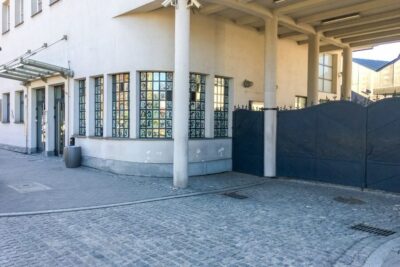
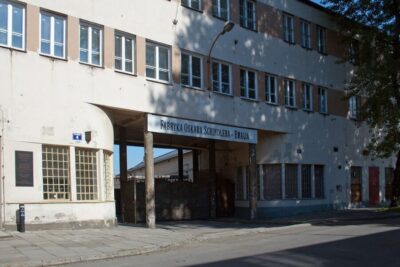
You meet your guide at the front entrance to the Oskar Schindler’s Enamel Factory museum. The guide will be holding an excursions.city sign, so you’re not left wandering around guessing who’s with the tour.
Because the end point is back at the meeting location, you don’t have to worry about building a new route at the finish. It’s a good setup if you want to keep your other evening plans simple—grab a tram later, eat well, and don’t start your day in transport chaos.
Schindler’s Factory Museum: interactive exhibits and what to focus on
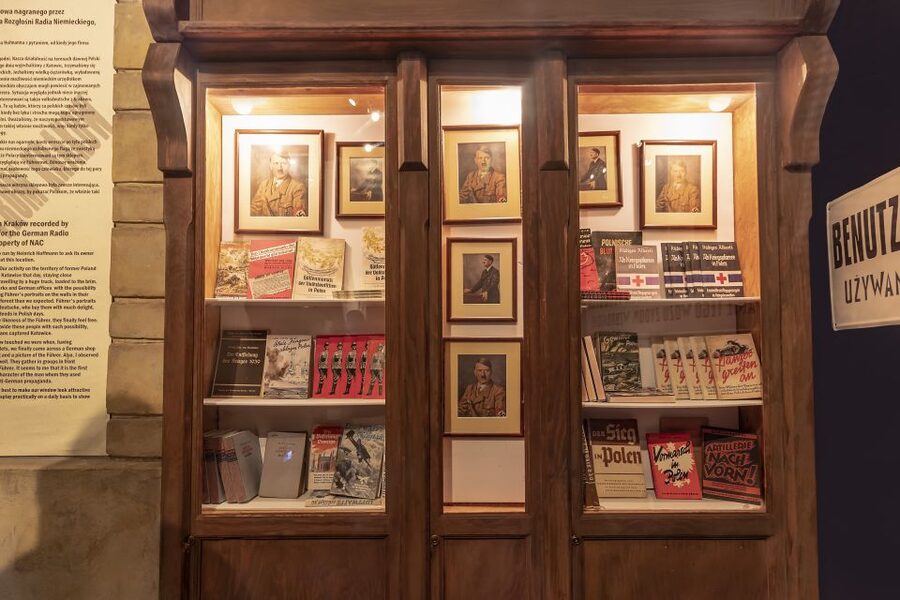
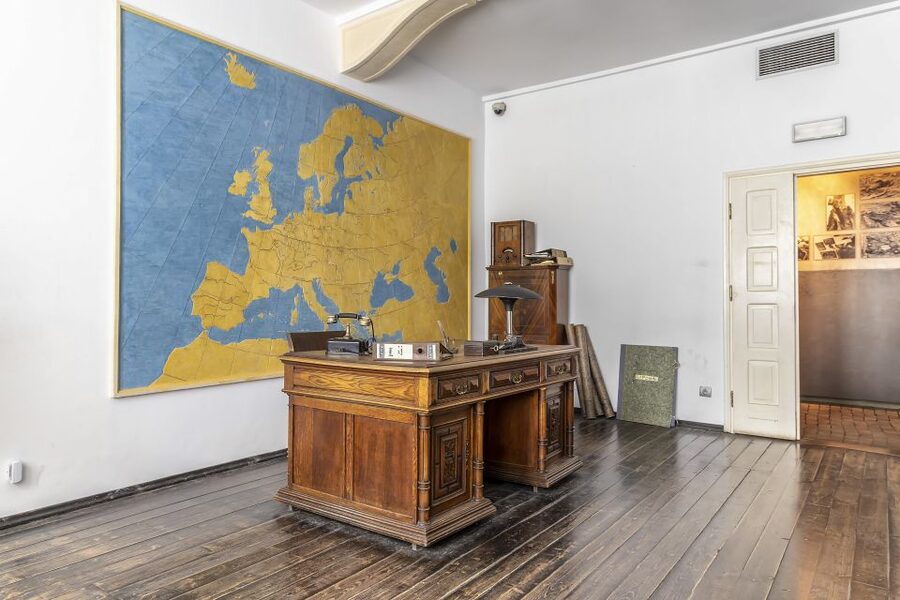
The heart of the tour is the guided visit inside Schindler’s Factory. The ticket is included, so you don’t waste time hunting down entry options on arrival. You also get skip-the-ticket-line help, which matters here because museum entry can eat up the first part of your limited time.
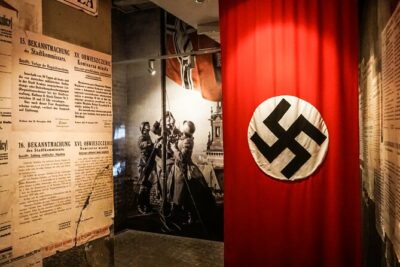
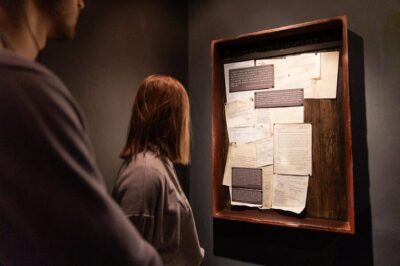
Inside, the standout feature is that the museum uses interactive exhibitions. That’s important, because interactive displays tend to make you slow down and connect details to real human routines—how space worked, how items were used, how life kept moving even as conditions became brutal. With a live guide, you’re not left translating symbols and captions on your own.
If you’re the kind of traveler who wants clarity, you’ll probably feel you get it here. The guide helps you connect the museum’s message to the broader story of Krakow under occupation. And based on prior tour experiences, Paulina is specifically praised for being friendly and informative—so if your group is assigned her, you can reasonably expect a warm, explanation-heavy style rather than a rushed lecture.
More of Krakow under the wartime occupation
- Krakow: Schindler’s Factory Ticket and Guided Tour Option★ 4.3 · 4,306 reviews
- Krakow: Schindler’s Factory Tour with Entrance Ticket★ 4.5 · 3,182 reviews
- Krakow: Schindler’s Factory Skip-the-Line Ticket★ 4.4 · 3,105 reviews
- Krakow: Schindler’s Factory Tour with Entrance Ticket★ 4.6 · 1,737 reviews
Walking the ghetto area: wall remnants and street-level context
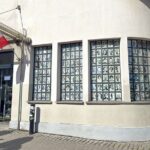
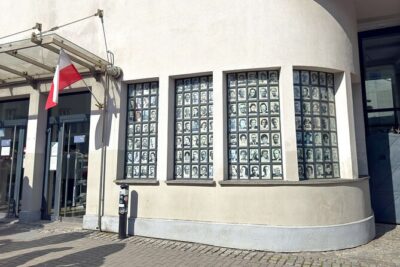
After the museum, the tour shifts outdoors, and that’s where it gets extra real. You’ll walk past buildings where thousands of displaced Jewish people used to live, and you’ll also stop at remaining pieces of the wall that surrounded the Jewish ghetto.
I like street-level parts like this because they change what the brain thinks “history” means. In a museum, history is displayed and controlled. Outdoors, it sits beside modern life, and the guide’s job becomes translating distances, edges, and boundaries into meaning. Even a few leftover sections of a wall can do a lot if you’re shown how to look at them.
This portion is also why the walking matters. You’re not just ticking off landmarks; you’re learning to interpret the space. When you see what’s left—and what’s no longer there—you get a clearer sense of how restricted movement and separation shaped daily choices.
Płaszów camp grounds: how the guide keeps it clear
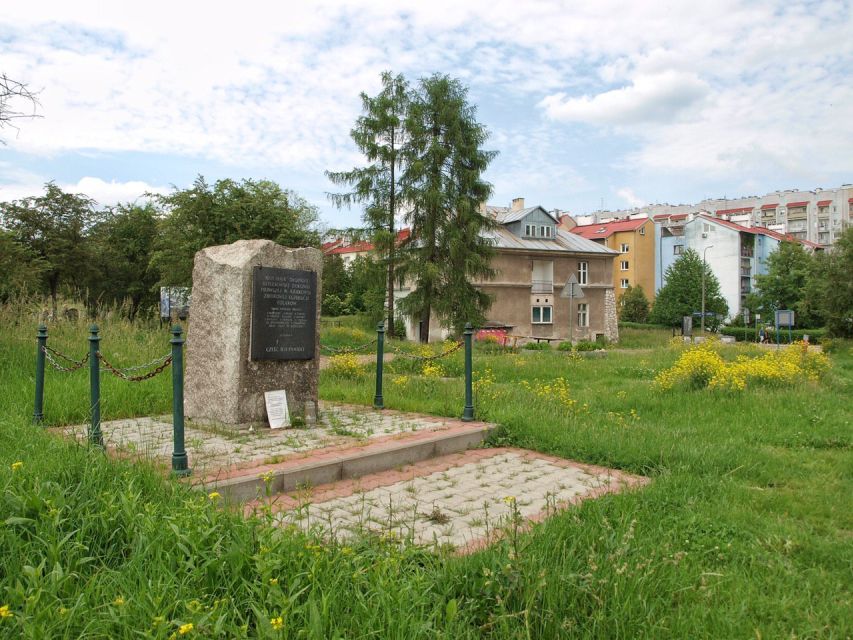
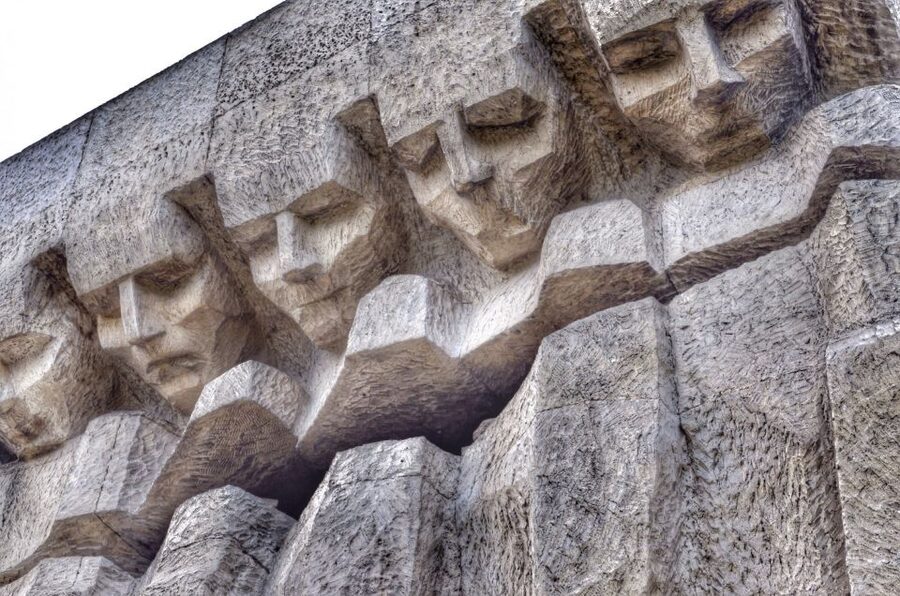
The tour continues to the former Kraków–Płaszów concentration camp. Walking through a former camp site is never casual, and the way the visit is guided is a big part of what makes it manageable and understandable.
The goal here isn’t to overwhelm you with facts. It’s to give you a framework so what you see doesn’t become a blur of fence lines, structures, and confusing layouts. A strong guide helps you anchor your attention—what certain areas meant and how the site fits into the larger occupation story you’ve already started learning in Schindler’s Factory.
From the guide feedback associated with this tour, the instructor at Płaszów is singled out for explaining details accurately and with niceness. That combination helps. Clear explanations reduce mental fog, and kindness helps keep the tone respectful, especially when the subject matter is heavy.
Timing and pacing: what 5 hours really means
You’re looking at a total duration of about 5 hours. That length is long enough to feel substantial, but not so long you’re totally fried by the end—assuming you dress for walking.
Keep in mind that the pacing isn’t only about time in rooms. You’re moving between the museum and the camp area, plus you’ll have stops for the ghetto wall remains and the building walk. So your energy use comes from attention as much as from steps. Expect your brain to stay busy the whole time.
The tour is in English, and it’s a live guided format, which typically means your schedule is tied to the guide’s pacing rather than strict minute-by-minute museum rules. If you’re sensitive to listening fatigue, take small breaks when you can—look at what the guide points out, then let a moment pass before you move on.
Price and value: what $75 includes (and what doesn’t)
The price is $75 per person, and it’s easier to judge when you know what’s covered. Your tour includes a professional guide plus the entrance ticket to Schindler Factory Museum.
That’s the value piece: admission plus guided interpretation. You’re not paying extra just to enter; you’re paying for context, timing, and translation of what you’re seeing into an understandable story.
What’s not included is also clear. You’ll need to budget for tram transport (around 4 PLN, based on the tour info) and you’ll want to plan for food and drink, since nothing is provided. If you’re doing this as a half-day, I recommend you eat before you start or bring a simple snack for later. Being hungry makes any long historical visit harder than it should be.
Practical tips for a smooth, respectful visit
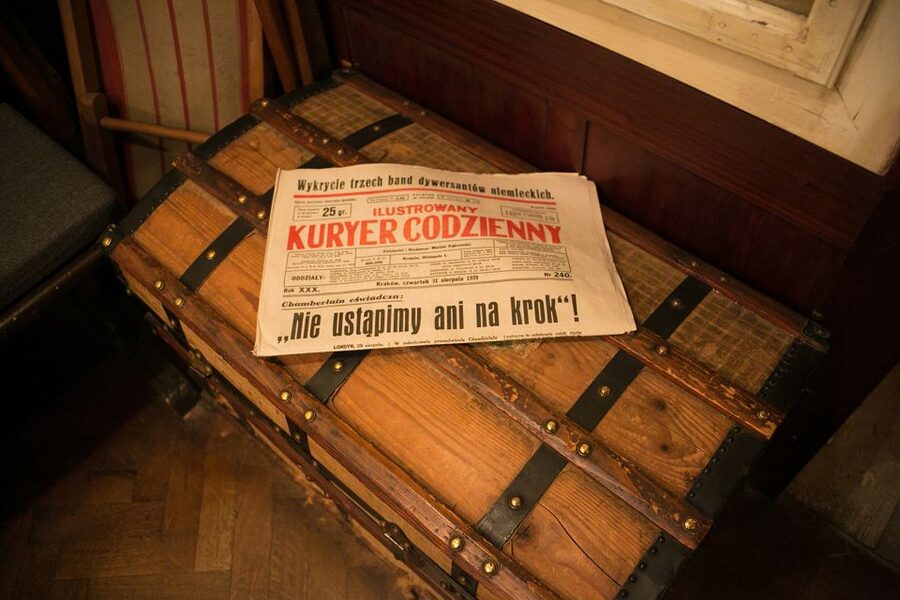
This kind of tour rewards basic prep.
- Bring comfortable shoes. You’ll be on your feet for a mix of museum time and outdoor walking.
- Dress for weather. It’s a Krakow visit that includes outdoor stops, so plan layers.
- Expect the topic to feel serious. Keep your tone respectful, and don’t rush the guided stops.
- If you’re using public transport, plan for the tram ticket being on you, not included.
If you want the most out of it, arrive with one mental goal: try to connect each stage—museum, ghetto area, and Płaszów—into one continuous picture. The guide is there to help you make those connections, but your attention is the ingredient that turns facts into understanding.
Who this tour suits best (and who might want a different fit)
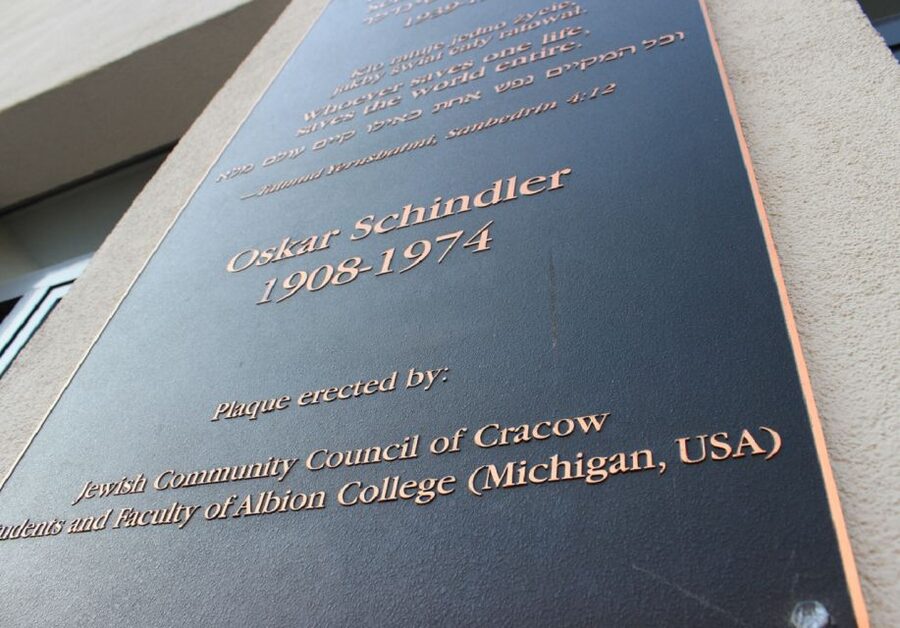
This tour fits travelers who want guided context, not just self-guided sightseeing. If you like your history grounded in human details and space-based reminders (walls, buildings, and camp grounds), this makes a lot of sense.
It’s also a strong choice for people who don’t want to piece together multiple visits. You get a structured flow in one 5-hour guided package, with the museum admission handled for you.
You might consider another style if you prefer minimal walking or if you’re overwhelmed by guided listening for long stretches. The tour is in English and lasts five hours, so it’s best when you’re ready to stay engaged throughout.
Should you book this tour?
I’d book it if you want the most coherent way to understand Krakow’s occupation period through three connected locations. The biggest strengths are practical and human: your museum ticket and guide are built in, and the walking stops give you physical context rather than only indoor reading.
Two final reasons to feel good about booking: the tour is designed to keep time organized (5 hours, starts and ends at the meeting point area), and the teaching style is specifically praised—especially Paulina for friendliness and clear information, and the Płaszów guide for accurate explanations.
If you’re visiting Krakow and want to do this topic justice without turning it into a checklist, this is a solid, well-structured choice.
FAQ
How long is the guided tour?
The duration is 5 hours.
What is the meeting point?
Meet your guide in front of the entrance to the Oskar Schindler’s Enamel Factory museum. The guide will be holding an excursions.city sign.
Is the Schindler Factory ticket included?
Yes. The tour includes entrance to the Schindler Factory Museum, so you don’t need to buy a separate ticket on the day.
Does this tour include the tram or transport?
No. A tram ticket is not included (about 4 PLN).
What language is the tour guide?
The live tour guide is English.
Is food and drink included?
No. Food and drink are not included.
What should I bring?
Bring comfortable shoes and weather-appropriate clothing.
Where does the tour end?
It ends back at the meeting point.
Is free cancellation available?
Yes. You can cancel up to 24 hours in advance for a full refund.
More Tour Reviews in Krakow

Krakow in Wartime: More Reviews
More of Jewish Kazimierz

Just added: fresh Krakow reviews
Schindler's Factory & WWII Tours, compared.
 ★ 4.3Schindler’s Factory Ticket and Guided Tour OptionFrom $254,306 reviews
 ★ 4.5Schindler’s Factory Tour with Entrance TicketFrom $493,182 reviews
 ★ 4.4Schindler’s Factory Skip-the-Line TicketFrom $253,105 reviews
★ 4.6Schindler’s Factory Tour with Entrance TicketFrom $401,737 reviews
★ 4.4Schindler’s Factory Skip-the-Line TicketFrom $253,105 reviews
★ 4.6Schindler’s Factory Tour with Entrance TicketFrom $401,737 reviews
 ★ 4.5Schindler’s Factory in Krakow: Guided Tour & Skip the Line TicketFrom $351,714 reviews
 ★ 4.7Schindler’s Factory & Ghetto Guided TourFrom $571,694 reviews
 ★ 4.3Schindler’s Factory Ticket with Guided Tour OptionFrom $421,485 reviews
 ★ 4.0Krakow Schindler’s Factory Guided Tour with Admission TicketFrom $351,156 reviews
Browse the lists this tour appears in