
REVIEW · SCHINDLER'S FACTORY & WWII TOURS
Schindler’s Factory + Ghetto in Krakow and Wieliczka Tour
Two places, one hard truth.
This Krakow tour pairs Schindler’s Factory with a walking loop through the former Jewish ghetto, then switches gears for the Wieliczka Salt Mine. It’s a day that moves from wartime industry to wartime streets, and finally down into a 700-year-old underground world.
I especially love the way the Schindler’s Factory Museum is handled: you’ll go in with a licensed museum guide, which matters because the stories are dense and easy to misread if you’re going solo. I also like that the ghetto portion isn’t just a few stops—it’s a real street walk in Podgórze, with specific reminders like the Empty Chair Monument and the preserved wall area.
One drawback to plan around: you’re dealing with waiting-time reality and, on the salt mine half, lots of walking and climbing stairs.
In This Review
- Key Things I’d Remember Before You Go
- Why This Krakow Combo Makes Sense
- The 7-Hour Flow: How the Day Is Actually Structured
- Entering Schindler’s Factory Museum: What a Guide Really Adds
- Podgórze and the Former Ghetto: Seeing the Evidence on Real Streets
- Getting to Wieliczka: The Transfer to the 700-Year-Old Mine Town
- Inside the Wieliczka Salt Mine: Plan for Stairs and Self-Paced Wonder
- Price and Value: Is $136 Worth It for 7 Hours?
- What to Bring (and What Can Trip You Up)
- Who This Tour Fits Best
- Should You Book This Schindler’s Factory + Ghetto + Wieliczka Tour?
- FAQ
- Where does the tour start and end?
- How long is the tour?
- What language is the tour guide?
- What is included in the price?
- Is food included?
- Does the Wieliczka mine part require a guide?
- Is this tour suitable for wheelchair users?
Key Things I’d Remember Before You Go
- Licensed guide at Schindler’s Factory so you understand what you’re seeing, not just what you’re reading on walls
- Podgórze walking stops tied to identifiable places from the ghetto area
- Empty Chair Monument with symbolic 68 chairs for a strong visual moment in Heroes’ Square
- Wieliczka Salt Mine self-paced time after you enter, so you can move at your own pace
- Lots of stairs underground—comfortable shoes really are non-negotiable here
More ways down into the Wieliczka salt mine
- Krakow: Wieliczka Salt Mine Tour with Entry Ticket
★ 4.6 · 10,927 reviews - From Krakow: Wieliczka Salt Mine Tour
★ 4.6 · 9,393 reviews - Krakow: Auschwitz-Birkenau and Salt Mine Guided Tour
★ 4.7 · 9,020 reviews
Why This Krakow Combo Makes Sense
This is not a “greatest hits” tour where everything is pleasant. It’s a history day, with two very different tones that still connect.
Schindler’s Factory shows how industrial life and human choices collided during World War II. Then you walk the former ghetto area in Podgórze, where the street layout and surviving fragments help the story feel grounded. Finally, you head to Wieliczka, where the scale is different, but the experience still has that awe factor—because you’re moving through an underground space that’s been in use for centuries.
The best part of this tour format is pacing. You’re not trying to do the whole day inside museums. You alternate indoor interpretation with an outdoor street walk, then finish underground.
The 7-Hour Flow: How the Day Is Actually Structured
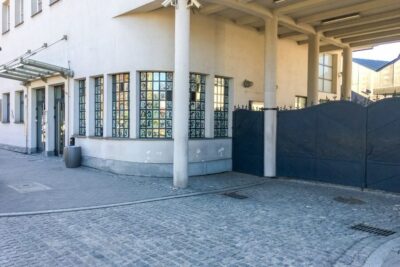
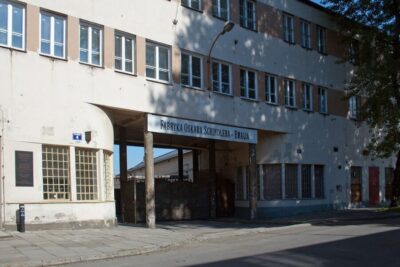
The day runs about 7 hours, with the timing tied to your selected start time. The tour begins at the main entrance to Schindler’s Factory Museum, where the guide meets you with an excursions.city sign. It ends back at the same meeting point.
You get two main halves:
- Krakow history on foot and inside the museum (Schindler’s Factory + Podgórze/ghetto area walking)
- A transfer to Wieliczka and a visit to the salt mine, where you explore on your own once inside
That structure matters. You’ll want your shoes ready for both city walking and mine stairs. And you’ll want the mental switch too: wartime topics first, then a giant underground site second.
Also note: the tour includes transportation between Krakow and Wieliczka, so you’re not stuck figuring out logistics while you’re already tired.
Entering Schindler’s Factory Museum: What a Guide Really Adds
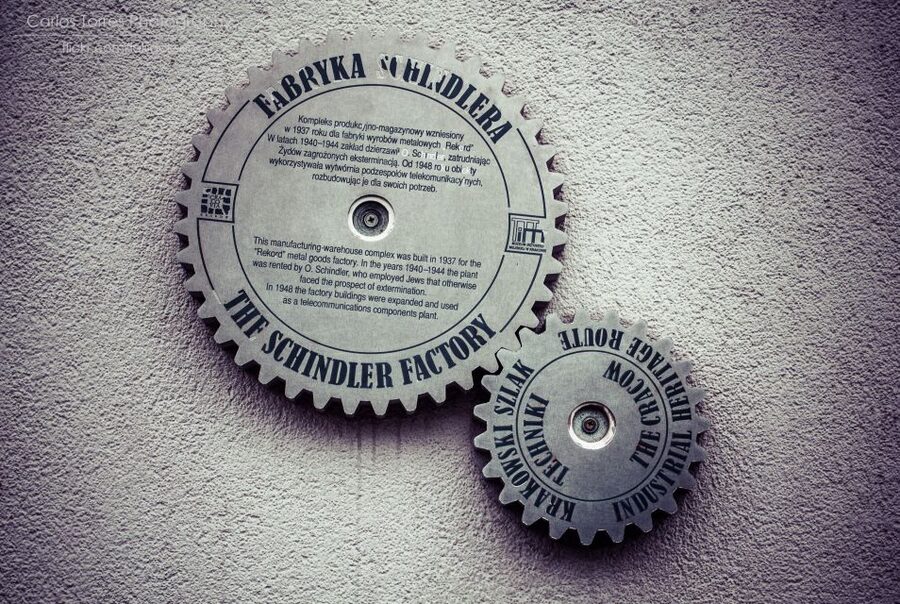
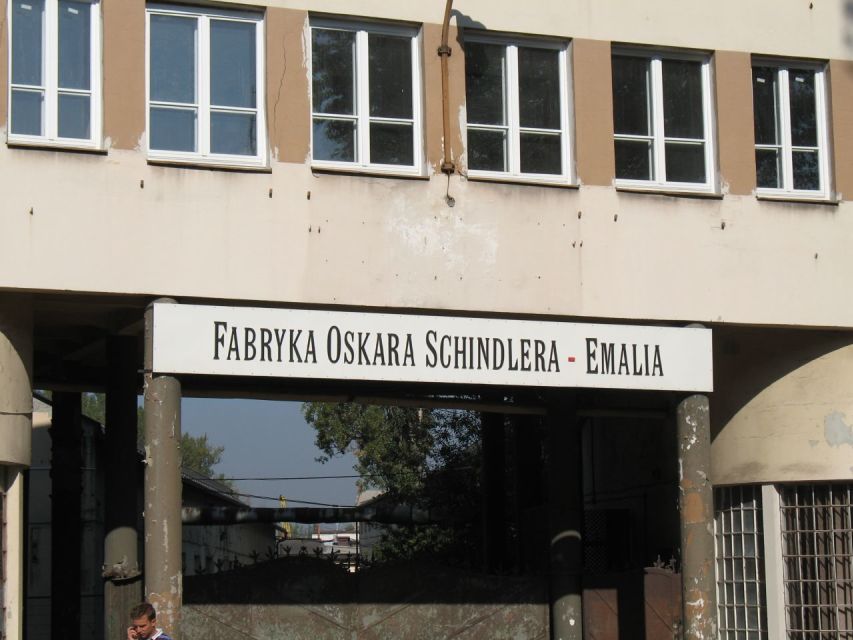
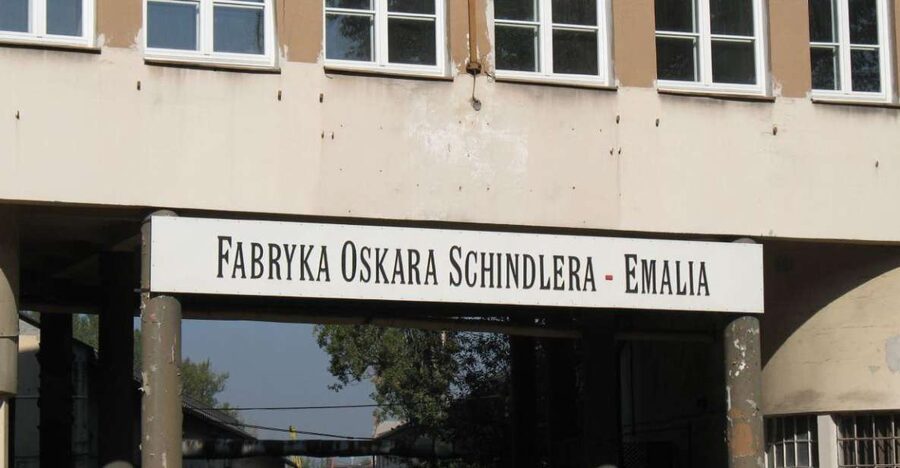
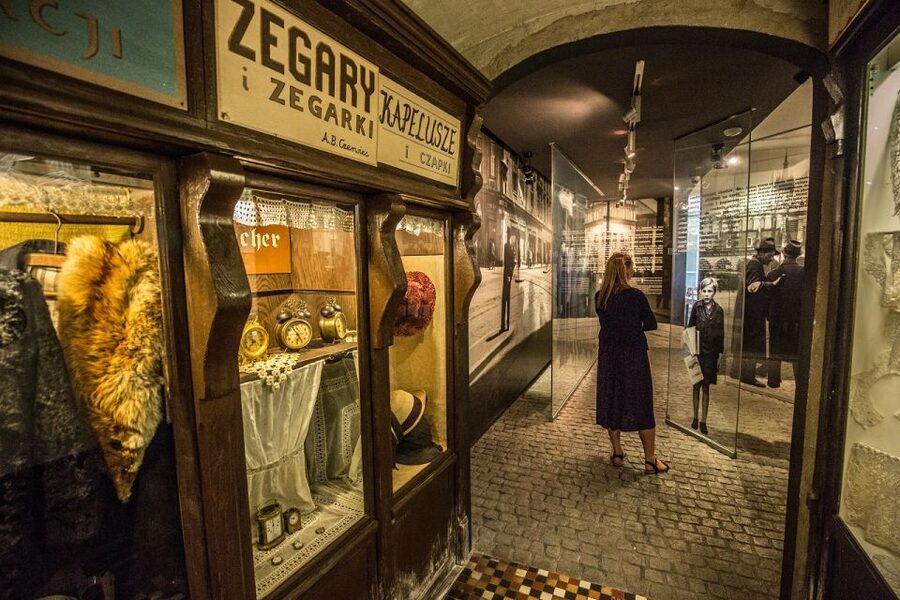
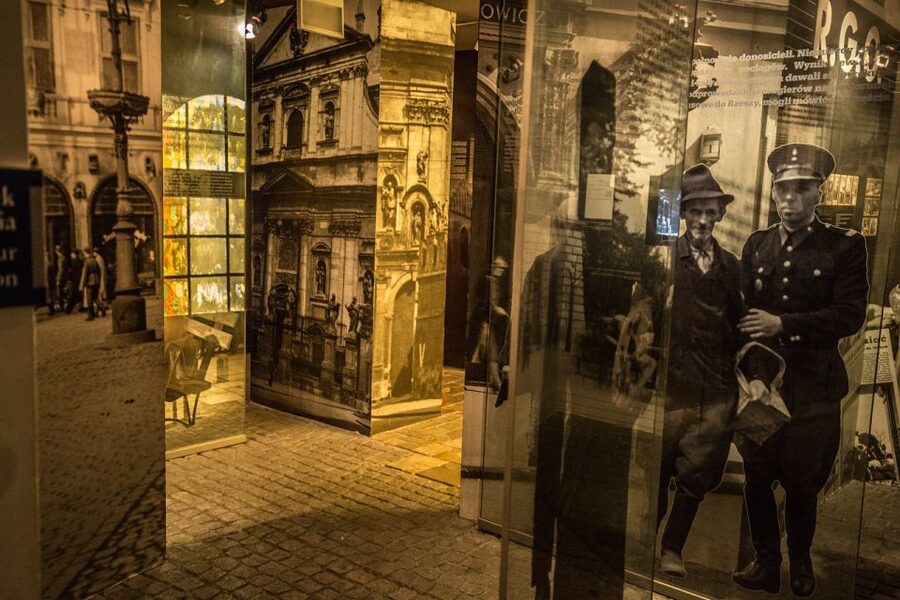
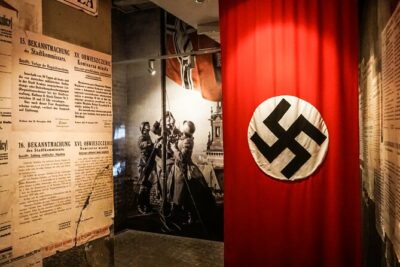
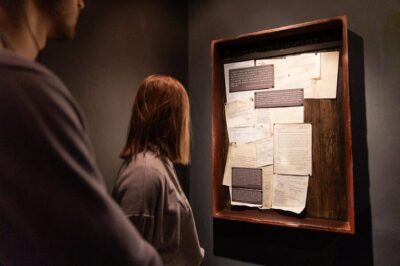
The Schindler’s Factory Museum is housed in the context of Oskar Schindler’s story—an important one tied to World War II and to the way some people used position and risk to help others. The tour specifically frames Schindler’s Factory as part of the broader understanding of Krakow during the war.
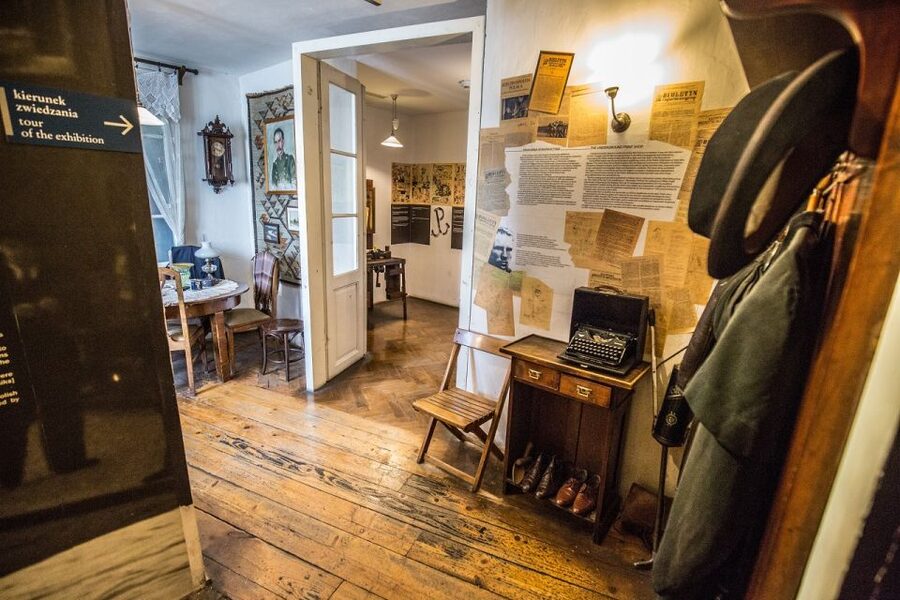
A licensed museum guide helps you connect the dots as you go. Without that guidance, it’s possible to skim past key details or assume you understand what you’re seeing. With a guide, you get the meaning behind exhibits—especially around the human story inside the industrial setting.
You’ll also see the connection to Schindler’s List. Even if you’ve seen the film before, stepping into the museum makes the story feel less like movie scenes and more like documented history in a real place.
Practical note: this portion is an indoor museum visit, but it still tends to be paced by group timing. The tour also includes a skip-the-ticket-line benefit, which helps, but you may still experience some waiting related to entry procedures and group starts.
What you should aim for here:
- Go in with patience.
- Use the guide time to ask yourself a simple question: what changed here, and why?
Deeper into Kazimierz and its Jewish heritage
- Krakow: Schindler’s Factory & Ghetto Guided Tour★ 4.7 · 1,694 reviews
- Krakow: Jewish Quarter and Former Ghetto Tour★ 4.9 · 1,441 reviews
- Krakow: Bike Tour of Old Town, Jewish Quarter and the Ghetto★ 4.9 · 1,155 reviews
- Krakow: Kazimierz Jewish Quarter Walking Tour★ 4.8 · 571 reviews
Podgórze and the Former Ghetto: Seeing the Evidence on Real Streets
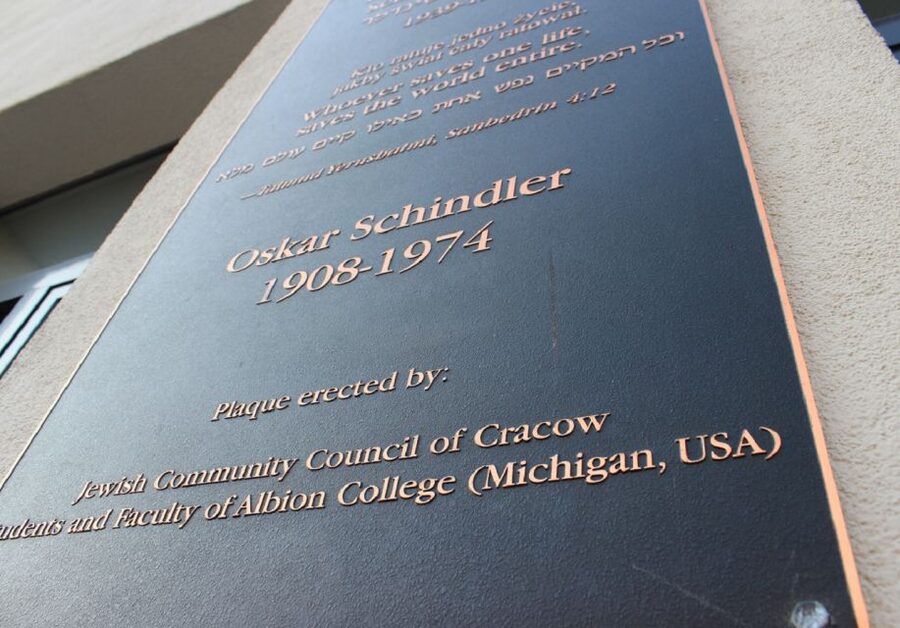
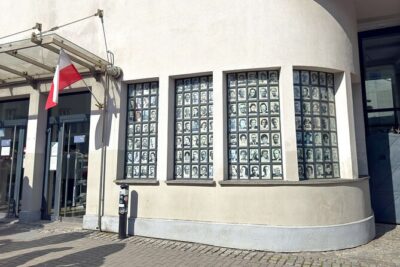
After Schindler’s Factory, the tour shifts outdoors into Podgórze—the area associated with the former Jewish ghetto. This is where the tour becomes more than museum learning.
You’ll walk through the ghetto streets and see concrete markers of what happened:
- A section of undestroyed wall around the ghetto
- Houses where thousands of displaced Jews used to live
- The pharmacy called Under the Eagle
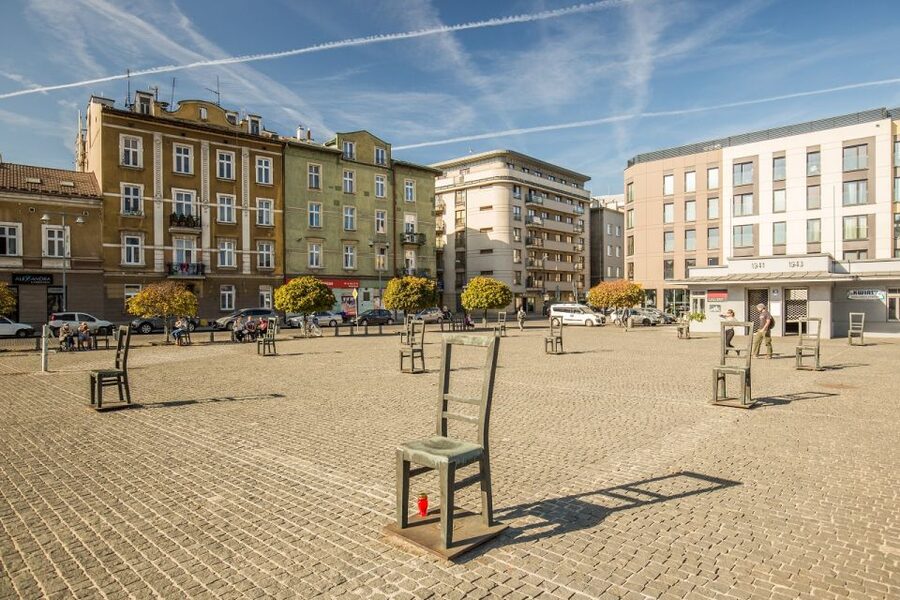
- The Empty Chair Monument in Heroes’ Square, with its symbolic 68 chairs
That list might sound like highlights, but here’s why it matters: these stops are specific enough that you can picture the daily reality instead of treating the ghetto as a vague historical concept.
The empty chair moment is especially important. A memorial like this works on two levels: it’s a visual reminder, and it forces you to slow down. The symbolic 68 chairs link directly to the scale the monument is meant to represent, and it makes you feel the loss in a way that doesn’t rely on heavy explanation.
Also, this part of the tour is walking. It’s not designed to be a casual stroll. You’ll be moving between meaningful points, and your guide will likely keep you oriented so you understand what each stop represents.
Getting to Wieliczka: The Transfer to the 700-Year-Old Mine Town
Once the ghetto walk and the museum portion are done, you move to the second half of the experience: Wieliczka, a small town about 10 kilometers from Krakow.
The tour includes transportation, which I think is a smart choice for most people. You’re already dealing with a mentally heavy first half. The last thing you want is to manage transit timing or scramble to find connections.
When you arrive, you’ll have your mine visit structured as a classic self-paced experience once you’re inside. That’s the part that lets you breathe. The guide-led portion sets the stage, then the mine becomes the main event.
Inside the Wieliczka Salt Mine: Plan for Stairs and Self-Paced Wonder
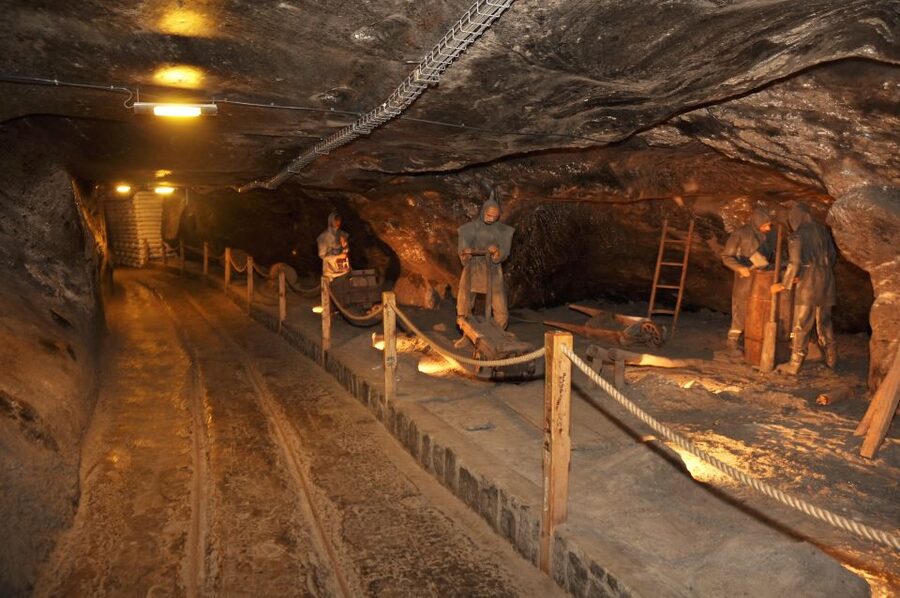
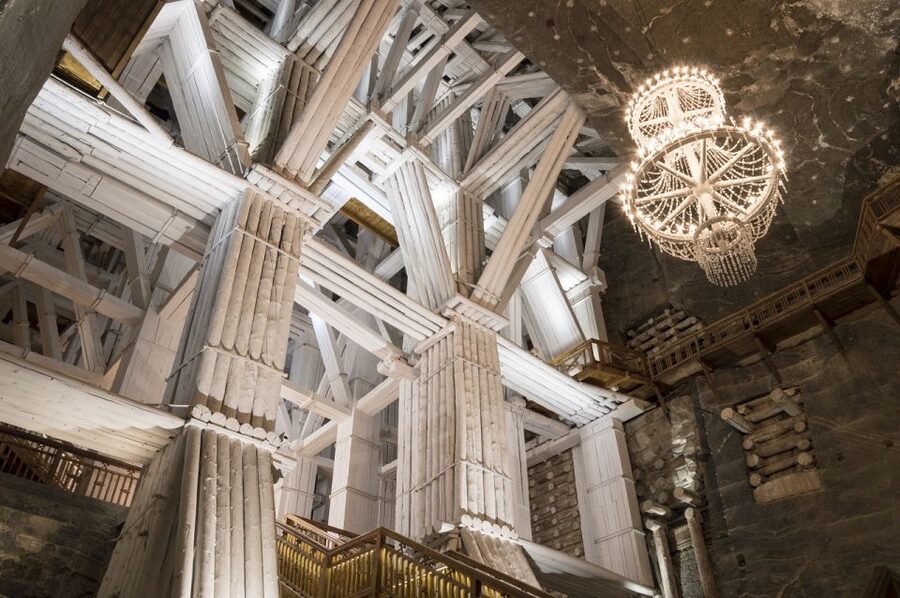
Wieliczka Salt Mine is one of Europe’s best-known underground sites, and this tour makes it easy to experience it without adding extra guiding pressure.
Here are the scale details that help you set expectations:
- Depth of the mine: 340 meters
- Total length of corridors and tunnels: over 245 kilometers
- The mine is 700 years old
Those numbers are big enough that it’s worth planning how you’ll spend your time. Since you explore at your own pace without a guide inside the mine, your success depends on how you move through it.
You should expect:
- Lots of walking
- Lots of climbing stairs
- A slow rhythm where you’ll stop to look and take in the salt-carved spaces (and then move on again)
This is where the “comfortable shoes” instruction really shows its value. If your feet hurt early, you’ll rush the later sections. If you pace yourself, the mine becomes memorable in a calm, hands-on way.
My practical advice:
- Wear shoes you trust for uneven underground steps.
- Bring a mindset that this is a physical site, not only a visual one.
- If you’re sensitive to stairs, go slower than you think you need to at the start—your legs will thank you.
Price and Value: Is $136 Worth It for 7 Hours?
At $136 per person for a 7-hour tour, you’re paying for a packed day that includes:
- Admission tickets to Schindler’s Factory Museum and Wieliczka Salt Mine
- A guided tour of the history parts
- Transportation between Krakow and Wieliczka
- Skip-the-ticket-line benefit
Food and drinks are not included, so you’ll need to plan meals separately.
Is it good value? For most people, yes—because this isn’t just ticket cost. It’s the combination of:
- A guided, museum-level interpretation in Schindler’s Factory
- A structured walking experience through Podgórze’s former ghetto area
- Mine access plus the transfer logistics
If you were to DIY it, you might save a little, but you’d trade away the guided context. And in this kind of tour—war history and a memorial landscape—context is what turns “seeing” into “understanding.”
Also, the tour ends back at the meeting point, so you’re not dealing with “how do I get home” while you’re tired.
What to Bring (and What Can Trip You Up)
This tour is straightforward, but there are a few rules that can matter if you show up unprepared.
Bring:
- Comfortable shoes (you’ll do both city walking and mine stairs)
Not allowed:
- Pets
- Sleeveless shirts
Not suitable for:
- Wheelchair users
About the mine walking:
- The regular salt mine tour requires lots of walking and climbing stairs, so if you’re managing mobility limits, plan carefully.
One extra tip: in history sites, it’s easy to overpack mentally and underpack physically. You want the opposite. Good shoes, a calm pace, and a willingness to pause when the memorial stops come up.
Who This Tour Fits Best
I think this is a strong match if you:
- Want a guided approach to Schindler’s Factory instead of reading everything on your own
- Prefer a street-level walking component through Podgórze, not only museum rooms
- Are willing to do stairs and walking for the mine
- Like your tours structured but not micromanaged inside the salt mine
It may be less ideal if you:
- Want a fully relaxing day with minimal walking
- Have limited mobility or strong discomfort with stairs
- Want a lighter, purely scenic experience (this isn’t that kind of tour)
Should You Book This Schindler’s Factory + Ghetto + Wieliczka Tour?
If you’re aiming for one efficient day in Krakow that connects wartime history with a world-famous underground site, I’d book it. The strongest reason is the pairing: Schindler’s Factory gives you context, the ghetto walk gives you place, and Wieliczka gives your day a physical, sensory payoff.
Here’s the decision-maker checklist I’d use:
- Do you want guided interpretation for Schindler’s Factory? If yes, this helps a lot.
- Can you comfortably handle stairs in the mine? If yes, you’ll likely enjoy the pacing.
- Are you okay with a tour that includes some waiting time even with ticket-line skipping? If yes, you’ll stay in the flow.
For most visitors who want depth without juggling multiple tickets and transit plans, this tour is a solid value at $136—as long as you come wearing shoes built for stairs.
FAQ
Where does the tour start and end?
The guide meets you in front of the main entrance to the Schindler’s Factory Museum, with the excursions.city sign. The activity ends back at the meeting point.
How long is the tour?
The duration is about 7 hours.
What language is the tour guide?
The live tour guide is available in English.
What is included in the price?
Admission tickets to Schindler’s Factory Museum and Wieliczka Salt Mine are included, along with guided tours of both locations and transportation between Krakow and Wieliczka.
Is food included?
No. Food and drinks are not included.
Does the Wieliczka mine part require a guide?
You’ll visit the salt mine and explore it at your own pace without a guide.
Is this tour suitable for wheelchair users?
No. It is not suitable for wheelchair users, and the salt mine tour includes lots of walking and climbing stairs.
Krakow in Wartime: More Reviews




More of Jewish Kazimierz





More of the Wieliczka Salt Mine

Just added: fresh Krakow reviews
Schindler's Factory & WWII Tours, compared.
 ★ 4.3Schindler’s Factory Ticket and Guided Tour OptionFrom $254,306 reviews
 ★ 4.5Schindler’s Factory Tour with Entrance TicketFrom $493,182 reviews
 ★ 4.4Schindler’s Factory Skip-the-Line TicketFrom $253,105 reviews
★ 4.6Schindler’s Factory Tour with Entrance TicketFrom $401,737 reviews
★ 4.4Schindler’s Factory Skip-the-Line TicketFrom $253,105 reviews
★ 4.6Schindler’s Factory Tour with Entrance TicketFrom $401,737 reviews
 ★ 4.5Schindler’s Factory in Krakow: Guided Tour & Skip the Line TicketFrom $351,714 reviews
 ★ 4.7Schindler’s Factory & Ghetto Guided TourFrom $571,694 reviews
 ★ 4.3Schindler’s Factory Ticket with Guided Tour OptionFrom $421,485 reviews
 ★ 4.0Krakow Schindler’s Factory Guided Tour with Admission TicketFrom $351,156 reviews
Browse the lists this tour appears in