
REVIEW · SCHINDLER'S FACTORY & WWII TOURS
World War Two in Krakow: Jewish Quarter & Ghetto Tour
Two hours, and Krakow hits hard. This WWII Jewish Quarter and ghetto walk is a smart shortcut: a professional guide brings you straight to the places that matter most, with enough story to help you understand what you’re seeing. I also love how it points out smaller details and lesser-known angles, so you’re not just moving from postcard to postcard.
One thing to plan for: it’s a 2.5-hour walking tour with moderate fitness needs, and the pace stays steady even in cold weather. If you hate chilly streets or long standing pauses at memorials, you’ll want to dress for it.
In This Review
- Key Highlights You’ll Actually Feel
- Why This Walk Hits So Much Harder Than a Map
- Start at Rynek Główny 4, Then Walk Through the Stories
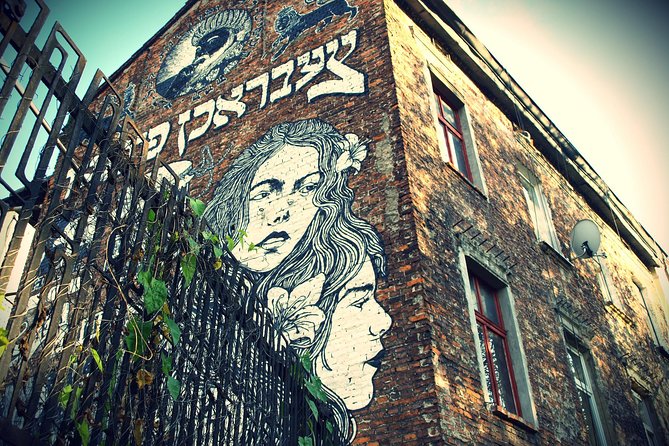
- Szeroka Street: A Beautiful Street With a Heavy Backstory
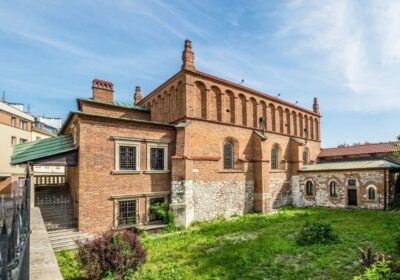
- The Synagogue Stop: Poland’s Oldest and Most Important
- Plac Bohaterów Getta: The Holocaust Memorial and the Meaning Behind It
- Plac Wolnica: Kazimierz’s Main Market Square (And Its Big Reputation)
- Father Bernatek Footbridge: A Short Crossing Over One of Krakow’s Best Views
- Okrąglak Finish: Street Food and Evening Energy After Difficult Stories
- The Guide Factor: What Makes This Tour Feel Worth It
- Price and Value: How $3.62 Makes Sense for a 2.5-Hour WWII Walk
- Who This Tour Suits Best (And When You Might Rethink It)
- Should You Book World War Two in Krakow: Jewish Quarter & Ghetto Tour?
- FAQ
- How long is the World War Two in Krakow: Jewish Quarter & Ghetto Tour?
- How much does the tour cost?
- Is the tour offered in English?
- Where do I meet the tour, and where does it end?
- Do I need to buy tickets for the stops?
- How many people are on the tour?
- Is free cancellation available?
Key Highlights You’ll Actually Feel
- Szeroka Street right up front: a scenic start where you learn what made this area so central
- Poland’s oldest and most important synagogue lesson: history explained in plain, understandable terms
- Plac Bohaterów Getta & the Holocaust memorial: tragic events of the Krakow Ghetto, plus what the memorial is meant to communicate
- Kazimierz’s main market square at Plac Wolnica: a quick stop with big context—this square was once second largest in Europe
- Father Bernatek Footbridge photo moment: a short crossing over one of Krakow’s most beautiful bridges
- Okrąglak finish: street food, restaurants, and evening energy to reset after heavy topics
Deeper into Kazimierz and its Jewish heritage
- Krakow: Schindler’s Factory & Ghetto Guided Tour
★ 4.7 · 1,694 reviews - Krakow: Jewish Quarter and Former Ghetto Tour
★ 4.9 · 1,441 reviews - Krakow: Bike Tour of Old Town, Jewish Quarter and the Ghetto
★ 4.9 · 1,155 reviews
Why This Walk Hits So Much Harder Than a Map
World War II in Krakow isn’t abstract on this tour. You move through real neighborhood spaces—streets, squares, and memorial ground—while a guide connects the dots between everyday life and what came later. That structure matters. It turns places you might otherwise skim past into a story you can hold in your head.
I like that you don’t have to do homework before you start. You’ll still want to be mentally ready for difficult subject matter, but you won’t be left trying to figure out context from a phone screen. The tour also keeps the pace moving, so you get a proper sense of Kazimierz without spending the whole day reading and guessing.
The other big value is that this is about bearings, not trivia. If Krakow’s Jewish district feels confusing at first, this route helps you orient quickly—where you are, what each stop represents, and why these locations still matter.
Start at Rynek Główny 4, Then Walk Through the Stories
The tour begins at Rynek Główny 4 and finishes at plac Nowy. That’s useful because you start in Krakow’s core and end in a lively area where you can keep the evening going.
Expect an easy-to-follow, guided route that strings together the most important points in the Jewish district and Kazimierz. The walking time is about 2 hours 30 minutes total, so it’s long enough to feel meaningful, but short enough that you can still do other things the same day.
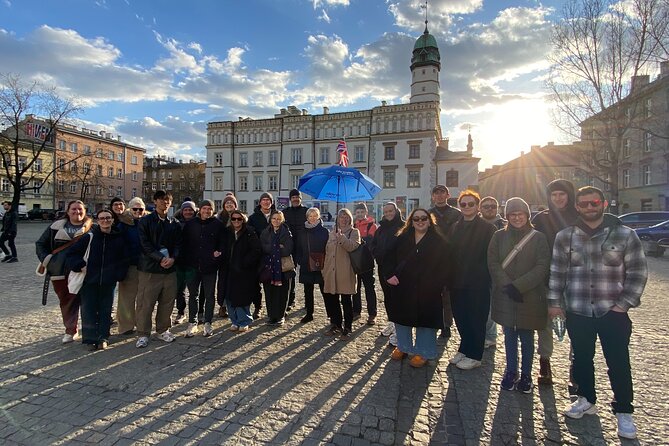
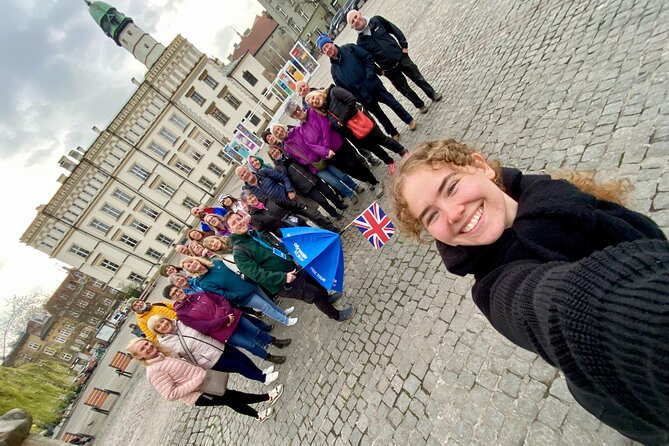
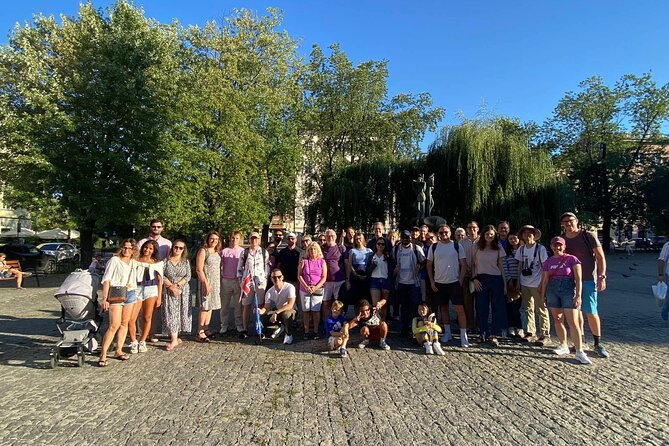
Also note the group size: the tour caps at 25 people. That tends to keep the experience manageable—big enough for energy, small enough for the guide to keep you from drifting off into your own thoughts.
If you rely on public transit, the route is described as being near transportation, which makes it simpler to plug into your day plans. And yes, service animals are allowed, which is always good to know.
Szeroka Street: A Beautiful Street With a Heavy Backstory
You start with Szeroka Street, about 30 minutes. This is the Jewish Quarter’s most picturesque street, and that contrast is exactly why it works. You’re looking at something visually lovely, while the guide explains how the area once held one of Europe’s largest Jewish communities.
This stop is the place where the tour teaches you how to look. You learn what made the neighborhood important before the worst years arrived. It’s not just architecture and atmosphere—it’s people and place, tied together so you understand why the streets matter.
A practical tip: take a moment to slow down here. Photos are tempting, but this is also your first “story anchor” of the tour. If you stay a little present at the curb and in doorways, you’ll get more from the next memorial-related stops.
More of Krakow under the wartime occupation
- Krakow: Schindler’s Factory Ticket and Guided Tour Option★ 4.3 · 4,306 reviews
- Krakow: Schindler’s Factory Tour with Entrance Ticket★ 4.5 · 3,182 reviews
- Krakow: Schindler’s Factory Skip-the-Line Ticket★ 4.4 · 3,105 reviews
- Krakow: Schindler’s Factory Tour with Entrance Ticket★ 4.6 · 1,737 reviews
The Synagogue Stop: Poland’s Oldest and Most Important
After Szeroka Street, you’ll make time for a synagogue-focused stop, with the guide covering the history of Poland’s oldest and most important synagogue. The listing doesn’t give a name for this stop in the details you provided, so you should treat it as a specific synagogue lesson rather than a “pick-a-synagogue” kind of walk.
What you can expect is commentary that helps you understand why this site is treated as significant. Even if you’ve never studied Jewish religious history, the guide’s job here is to make it understandable, not academic.
One reason this part is valuable: it prevents the tour from becoming only about World War II tragedy. You see that the community had deep roots and institutions long before the ghetto years. That balance makes the later stops hit even harder.
Plac Bohaterów Getta: The Holocaust Memorial and the Meaning Behind It
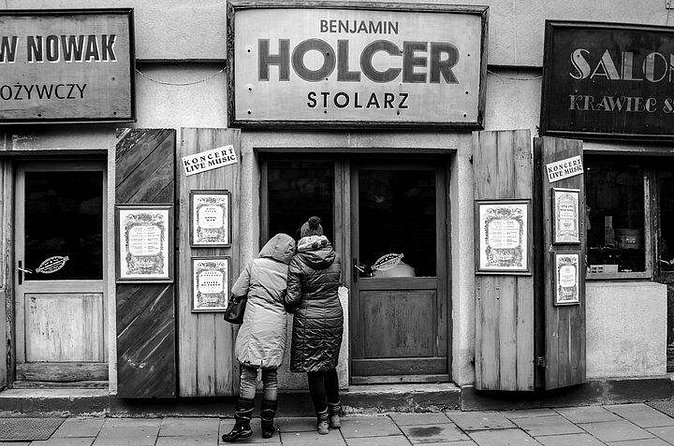
The tour then moves to Plac Bohaterów Getta for about 20 minutes. This is where you learn about the tragic events of the Holocaust in the Krakow Ghetto and the meaning behind Krakow’s most poignant Holocaust memorial.
This stop is emotionally serious, and the time block matters. You don’t just pass by and read a sign. You get guided context that helps you understand how memorials work—how they communicate memory, loss, and what a city wants future generations to remember.
Practical advice: if you know you get overwhelmed easily, plan for a quick reset afterward—water, a breath, and a moment before continuing. The tour doesn’t avoid the topic, and that’s part of why it’s worth doing. Just make sure you’re taking care of yourself as the story moves forward.
Plac Wolnica: Kazimierz’s Main Market Square (And Its Big Reputation)
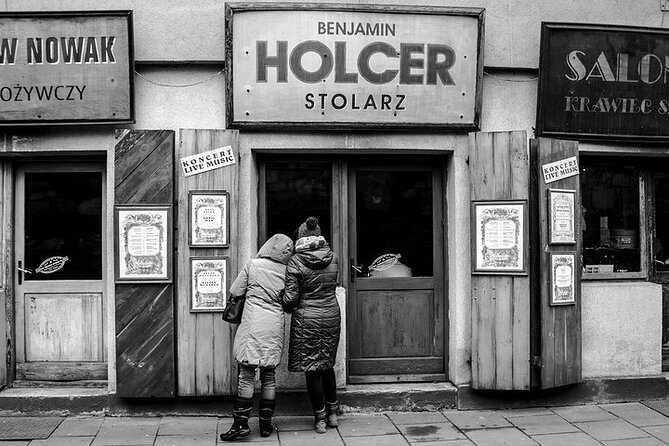
Next comes Plac Wolnica, the main market square of Kazimierz, for about 5 minutes. It’s quick, but the context here is big: it was once the second largest market square in Europe.
This is a useful stop because it shows scale. When you understand the kind of place Kazimierz was, you can better imagine daily life and community energy before the years of persecution. It also gives you a “between scenes” moment—still part of the historical story, but with a different vibe than the memorial ground.
If you like to orient yourself with what a place functioned as—market, home area, gathering spot—this short stop will help. It makes the later ending at Okrąglak feel less like a random detour and more like a continuation of neighborhood life.
Father Bernatek Footbridge: A Short Crossing Over One of Krakow’s Best Views
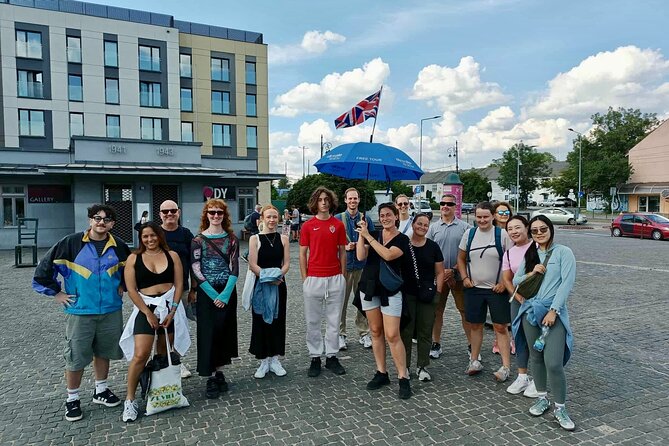
You’ll then pass the Father Bernatek Footbridge for about 5 minutes. The tour frames it as Krakow’s most beautiful bridge, and in practice this is a needed breathing space in the schedule.
This crossing gives you a visual reset. You step away from heavy concentration on the memorial and backstory, and you get a moment to look around Krakow’s physical layout. It’s also an easy spot for photos, since the bridge and river setting typically give you clean angles.
Still, keep your tempo. This is a walk-through story tour, not just a stroll, so you’ll get more out of it if you treat this as a transition point—look, listen, then move on.
Okrąglak Finish: Street Food and Evening Energy After Difficult Stories
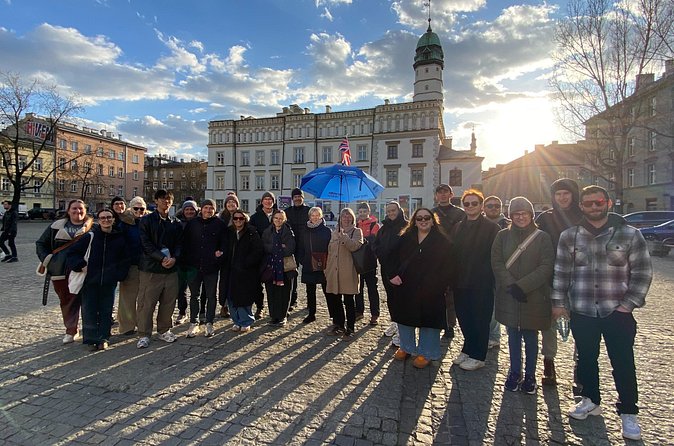
The tour ends around Okrąglak for about 10 minutes. This area is described as one of Krakow’s liveliest squares, with street food, restaurants, and nightlife.
I like this finish because it gives you a release valve after the emotional weight of the ghetto memorial stop. You’re not forced to go back immediately to your hotel and sit with the story. You can grab a snack, regroup, and decide how you want to spend the rest of your evening.
Even if you’re not a nightlife person, the square’s food and casual energy make it a practical end point. It’s also a friendly way to connect your history day to how the city feels today.
The Guide Factor: What Makes This Tour Feel Worth It
City Walks Krakow runs the tour, and the standout theme from the strongest feedback is the guide’s ability to keep people engaged. One named example from recent experience is Karolina, described as brilliant and very knowledgeable about Poland’s history and past, and able to hold attention even when it was freezing and the group was large.
That matters. A walk like this can turn flat if the guide is just reading facts. Here, the goal is to keep the story moving, keep you oriented, and help you connect street-level locations to what happened in the ghetto era. When that’s done well, you end the tour with real understanding instead of a checklist of stops.
The tour is offered in English, and it’s designed as a commentary-led experience—meaning you’re not left stuck with your own research while standing in the cold.
Price and Value: How $3.62 Makes Sense for a 2.5-Hour WWII Walk
At $3.62 per person for a 2.5-hour guided walk, the price is unusually low for a structured route through WWII-related sites. The biggest reason it feels like value is that the tour replaces planning effort with expert storytelling. You get a professional guide and a clear set of stops, so you’re not paying for materials you’d have to assemble yourself.
There’s also a practical cost angle: the stops listed don’t call for paid entry tickets in the details you shared. That means you’re not stacking extra museum fees on top of the tour price.
Finally, the group cap at 25 people helps. Small enough to feel personal, large enough to keep it social. If you like learning in a group setting, this setup fits well.
Who This Tour Suits Best (And When You Might Rethink It)
This is a good match if you want a fast way to get your bearings in Kazimierz and learn stories you might otherwise miss. It’s also ideal if you like a guide’s voice and you’d rather not juggle research while walking between sites.
It’s less ideal if you dislike steady walking or can’t handle a moderate fitness requirement. The tour is described as requiring moderate physical fitness because it’s a walking route. And given the real-world cold factor mentioned in feedback, dress for weather so you can focus on the story instead of your numb hands.
It can also be a smart choice if you tend to like these “free walking tour” formats during city breaks. Here, you’re getting the same simple promise—show up, walk, listen, learn—just with a strong WWII theme and clearly defined stops.
Should You Book World War Two in Krakow: Jewish Quarter & Ghetto Tour?
If you want a guided, English WWII-focused walk through the Jewish Quarter and Kazimierz without spending hours on planning, this is a great pick. The route is short enough to fit into a day, but long enough to feel like you actually learned something.
I’d book it if:
- you want a shortcut to major stops connected to Krakow’s ghetto history and Holocaust memorial meaning
- you like guided context rather than self-guided wandering
- you appreciate a thoughtful ending near street food and nightlife at Okrąglak
I’d think twice if:
- long walking and cold weather will ruin your day
- you prefer a museum-style format with lots of indoor time
Overall, the high rating (4.9) and very strong recommendation rate (98%) point to what matters most here: the guide experience and the way the story is delivered. For this topic, that’s the difference between passing through a place and truly understanding it.
FAQ
How long is the World War Two in Krakow: Jewish Quarter & Ghetto Tour?
It lasts about 2 hours 30 minutes.
How much does the tour cost?
The price is $3.62 per person.
Is the tour offered in English?
Yes, the tour is offered in English.
Where do I meet the tour, and where does it end?
Meet at Rynek Główny 4, 33-332 Kraków, Poland. The tour ends at plac Nowy, 31-056 Kraków, Poland.
Do I need to buy tickets for the stops?
The details provided list admission as free for the stops included on the route.
How many people are on the tour?
The tour has a maximum of 25 travelers.
Is free cancellation available?
Yes. You can cancel for a full refund up to 24 hours in advance of the experience start time.
More Tour Reviews in Krakow
Krakow in Wartime: More Reviews
More of Jewish Kazimierz

Just added: fresh Krakow reviews
Schindler's Factory & WWII Tours, compared.
 ★ 4.3Schindler’s Factory Ticket and Guided Tour OptionFrom $254,306 reviews
 ★ 4.5Schindler’s Factory Tour with Entrance TicketFrom $493,182 reviews
 ★ 4.4Schindler’s Factory Skip-the-Line TicketFrom $253,105 reviews
★ 4.6Schindler’s Factory Tour with Entrance TicketFrom $401,737 reviews
★ 4.4Schindler’s Factory Skip-the-Line TicketFrom $253,105 reviews
★ 4.6Schindler’s Factory Tour with Entrance TicketFrom $401,737 reviews
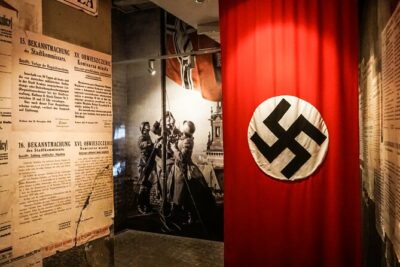 ★ 4.5Schindler’s Factory in Krakow: Guided Tour & Skip the Line TicketFrom $351,714 reviews
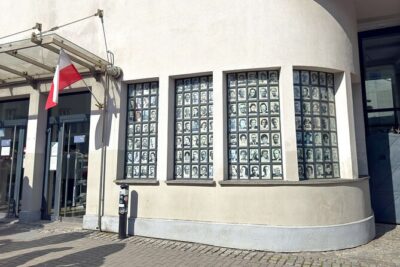 ★ 4.7Schindler’s Factory & Ghetto Guided TourFrom $571,694 reviews
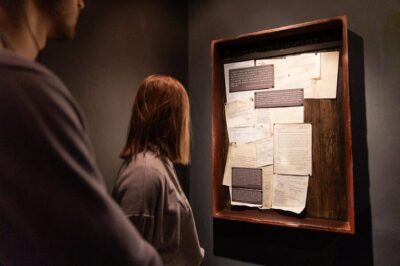 ★ 4.3Schindler’s Factory Ticket with Guided Tour OptionFrom $421,485 reviews
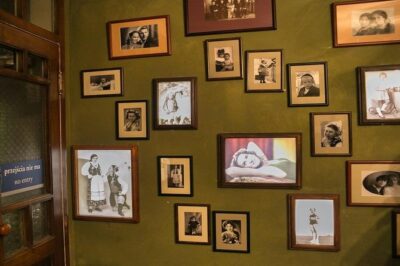 ★ 4.0Krakow Schindler’s Factory Guided Tour with Admission TicketFrom $351,156 reviews
Browse the lists this tour appears in